


5 minute read
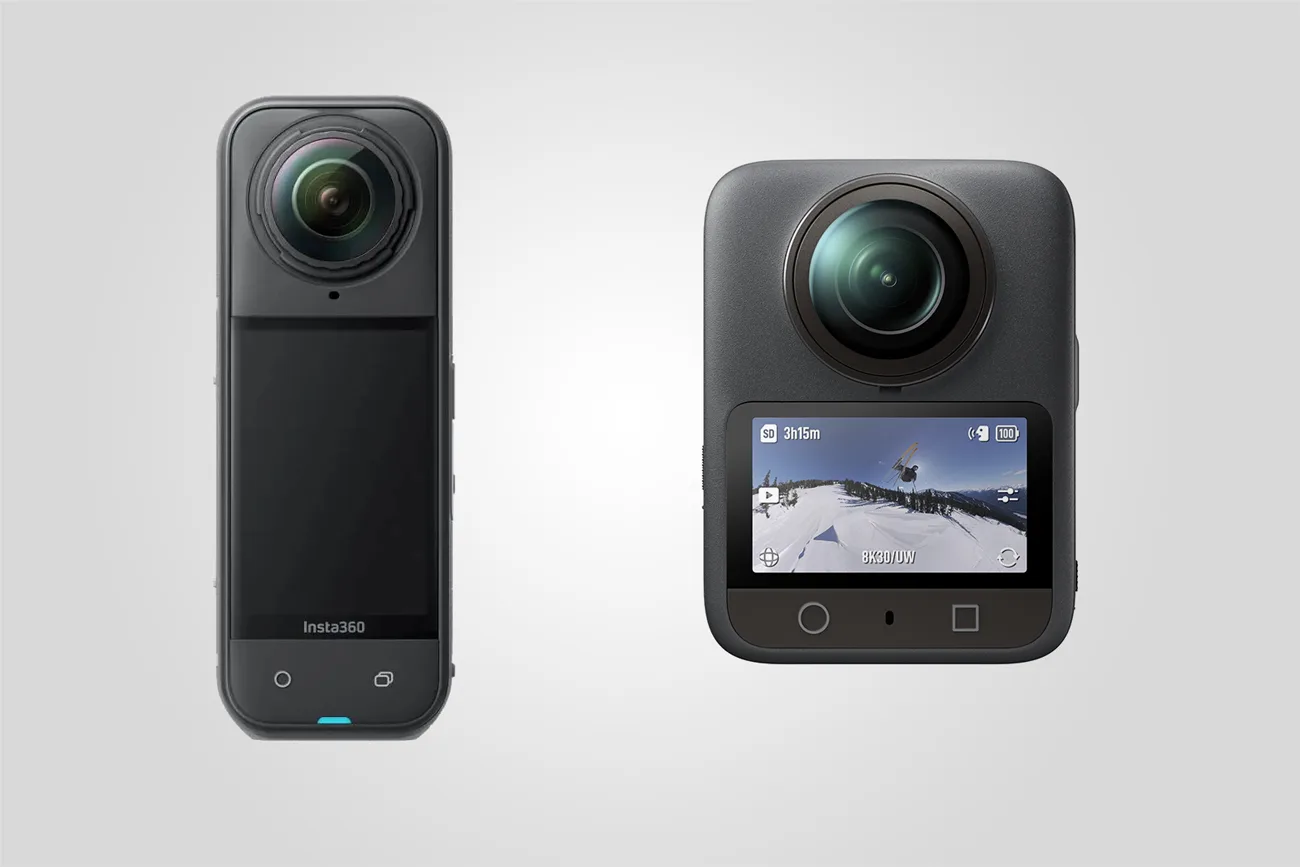
The battle for the 360-camera crown is heating up in 2025. DJI has entered the market with its Osmo360, directly challenging the fifth-generation Insta360 X5. On paper, both offer 8K resolution, impressive stabilization, and a range of creative tools.
But as creators know, specs alone don’t tell the whole story. After extensive testing, the X5 not only proves itself as the more versatile and creator-friendly camera, but also shows why experience matters in building a tool that works seamlessly in real-world conditions.
Design & Build Quality
The X5 continues to stand out with replaceable lenses. If you scratch a lens mid-shoot, you can simply swap it out and keep filming. DJI’s Osmo360 doesn’t offer this flexibility. Damage means downtime and repairs, which is a dealbreaker for professionals who can’t afford to lose footage.
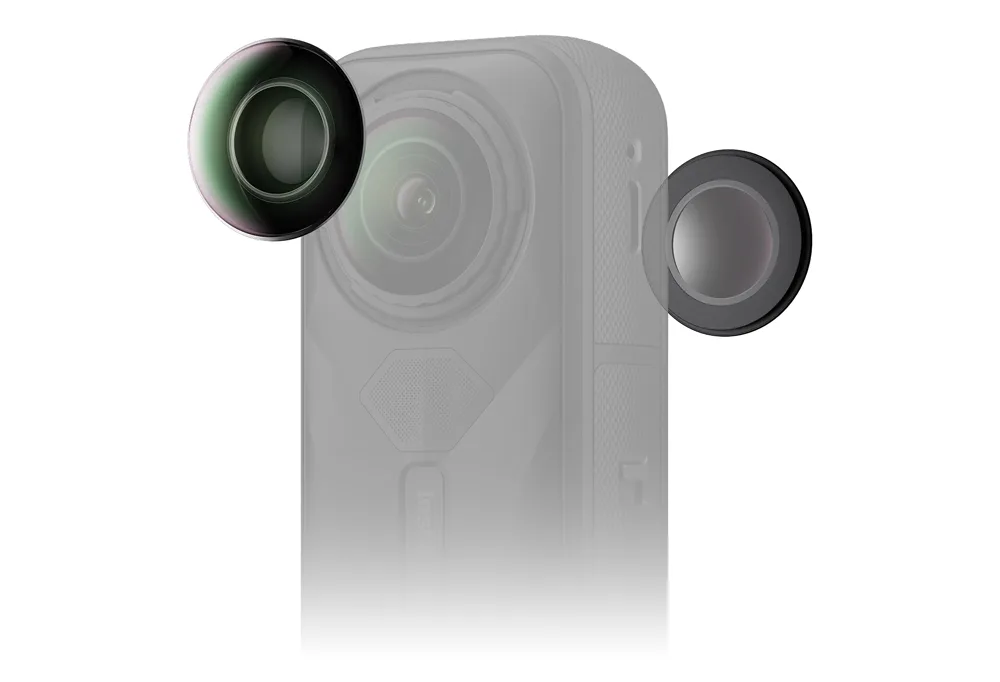
The X5 also delivers better waterproofing (15m vs 10m), a more ergonomic vertical touchscreen, and compatibility with a massive ecosystem of accessories.
Image Quality: Sensor vs Processing Power
DJI went for a 1/1.1-inch sensor, while Insta360 opted for three AI chips that handle noise reduction, color grading, and stabilization. In practice, the X5’s processing system consistently produced sharper, more balanced footage, especially in high-contrast situations where DJI struggled with blown highlights or crushed shadows.
The takeaway: a larger sensor isn’t always better when the image pipeline isn’t as refined.
Low Light Performance
Both cameras push low-light shooting forward, but the X5’s PureVideo + AdaptiveTone pairing offered cleaner, more natural results. DJI’s 10-bit D-Log M mode gives flexibility in post-production, though it often compresses details that can’t be fully recovered.
Stitching, Dewarping & Export Speeds
Stitching quality separates professional-looking footage from amateur results. The X5’s AI Stitching was seamless and color-consistent, while DJI occasionally showed stitching lines and mismatched exposures.
Exporting also favors Insta360, with its app running about 15% faster on average, giving creators a smoother workflow.
Stabilization
Both cameras handle action scenarios well, but Insta360’s FlowState stabilization still feels more polished. It produces a steadier image that avoids the artificial “locked horizon” look, keeping motion smooth yet natural.
Insta360 X5 Stabilization Test
DJI Osmo 360 Stabilization Test
App & User Experience
Here’s where the difference is striking. The Insta360 app is polished after years of refinement. Features like:
- Accessory auto-detection
- Twist-to-Shoot recording
- Auto-trimming intros/outros
- AI Smart Preview
- Faster AI editing
…all save creators serious time.
DJI’s Osmo360 app, meanwhile, has drawn attention for how closely it resembles Insta360’s design and features. From its interface layout to creative tools like “Vortex mode” (eerily similar to Insta360’s Bullet Time), critics and journalists have noted the similarities. Even The Verge called the app “suspiciously familiar.”
While imitation might be the sincerest form of flattery, the execution tells the real story. Insta360’s app simply works better. Editing is faster, AI tools are smarter, and the workflow feels built for creators instead of retrofitted from a competitor’s blueprint.
Cloud Storage & Workflow
The X5 includes 1TB of free cloud storage for a year, automatic backups, and direct cloud editing. That makes it easy to share and edit on the go without a computer.
DJI’s Osmo360 lacks a cloud service entirely, leaving users tied to local storage (105GB internal plus memory cards). For heavy shooters, that’s a serious limitation.
Accessory Ecosystem
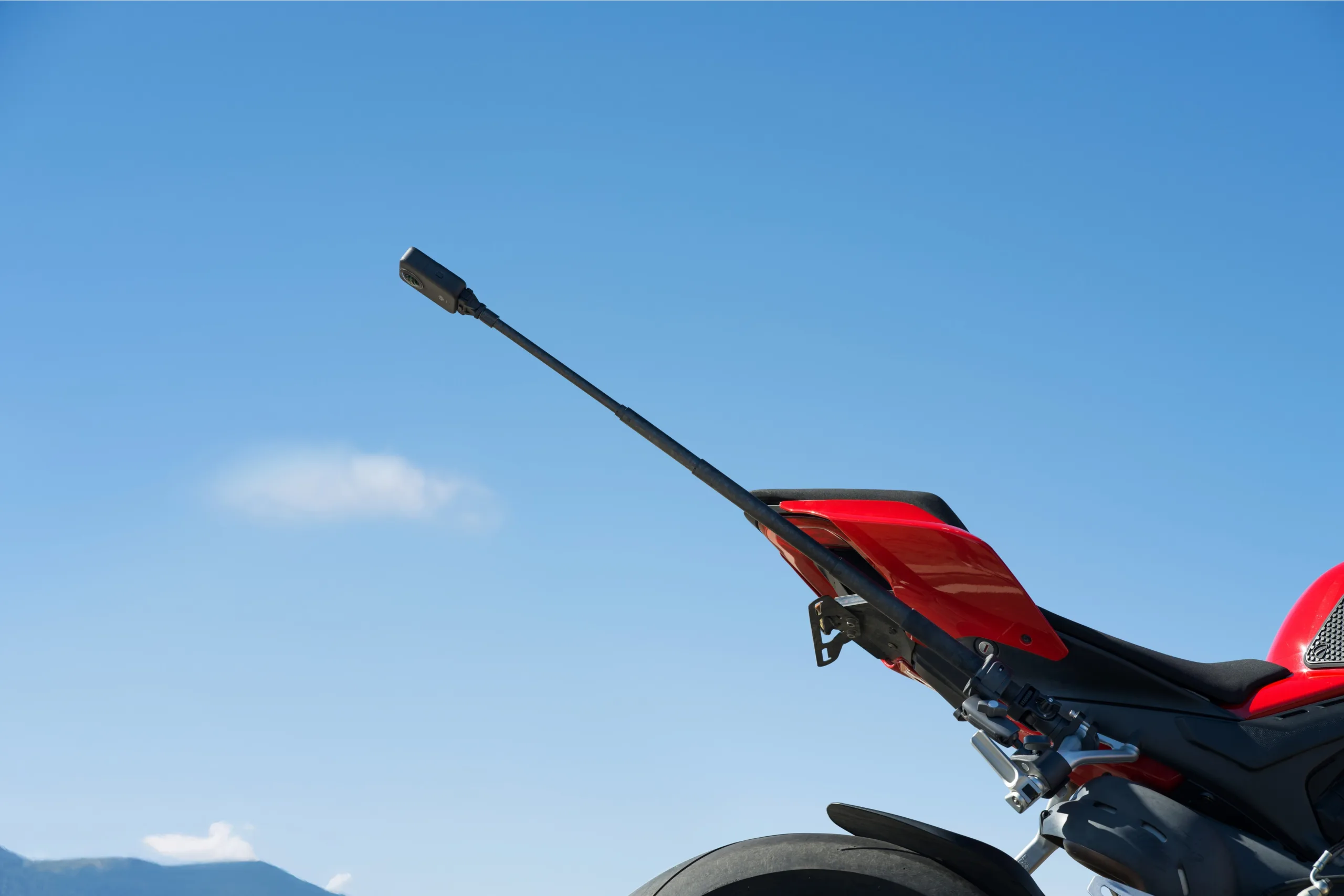
Insta360’s ecosystem is unmatched, with mounts for motorcycling, diving, skiing, cycling, and more. The magnetic mounting system makes swaps quick, and compatibility with brands like Garmin and Sena expands versatility. DJI simply doesn’t have the accessory range yet.
Audio Performance
Insta360 gives creators a leg up with a built-in wind guard that noticeably improves clarity in noisy environments. DJI’s Osmo360, by contrast, frequently picked up overwhelming wind noise that made recordings unusable.
That said, both cameras benefit significantly from pairing with wireless microphones such as Rode Wireless GO II or DJI Mic. This dramatically improves dialogue, isolates subjects from environmental noise, and brings audio quality up to professional standards. Still, the X5’s better built-in sound means you’re less reliant on extra gear in quick, run-and-gun shoots.
Final Verdict: What My 360 Camera Pick?
The DJI Osmo360 is an ambitious first attempt, but the Insta360 X5 is still the safer, smarter choice for creators in 2025.
The X5 stands out with:
- Replaceable lenses
- Refined AI image processing
- Seamless app experience
- Faster export and smarter editing
- Cloud integration
- A proven accessory ecosystem
- Stronger audio performance
DJI may catch up with future iterations, but for now, Insta360 shows why experience matters. The X5 isn’t just another 360 camera — it’s the one built for creators who want gear that works as hard as they do.