


5 minute read
What Is SEO And Why Does It Matter?
Search Engine Optimization (SEO) enhances your website’s visibility in the organic search results of platforms like Google and Bing. Simply put, SEO aims to connect your business with your ideal audience by ensuring your content appears when potential customers search for relevant topics online. By helping search engines understand and value your content, SEO drives targeted traffic to your website, which can convert to leads and customers.
In a digital-first world, SEO forms the backbone of effective online marketing. It ensures that businesses don’t just exist online, but are discoverable by the right people at the right moment. Partnering with an experienced Austin SEO agency can maximize your visibility and outpace competitors. As search engines continuously update how they evaluate and rank content, effective SEO strategies routinely adapt to these changes.
Search engines assess many factors to determine which results best serve a user’s query, from keywords and content quality to site speed and reputation. Businesses that invest in SEO increase their chances of being found and benefit from a sustainable source of high-quality traffic, making SEO indispensable for growth in 2024 and beyond.
Beyond visibility, SEO is crucial for building trust with potential customers. Ranking high in search results often signals credibility and authority, influencing purchasing decisions.
Key Components Of Effective SEO Campaigns
Effective SEO incorporates both on-page and off-page tactics. On-page SEO deals with your website’s content and structure, while off-page SEO focuses on building your site’s authority across the web. Both are crucial to winning top search spots.
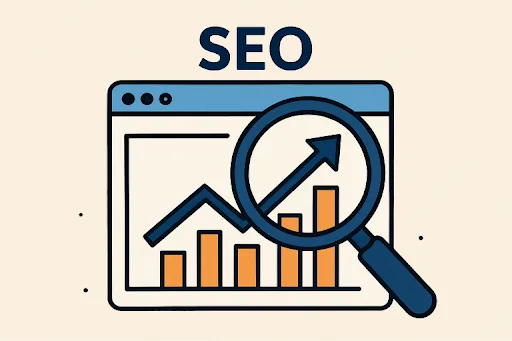
Keyword research is foundational to SEO. By understanding what your audience searches for, you can tailor your content to meet their needs. This not only improves rankings but also attracts visitors genuinely interested in your offerings. Coupled with thoughtful keyword targeting, user experience, and logical site structure, ensure visitors can navigate your website easily, reducing bounce rates and increasing conversions.
Mobile-friendliness and technical standards like Google’s Core Web Vitals are non-negotiable today. A seamless experience across devices and swift website performance significantly influence your rankings and user satisfaction. Technical SEO resources can deepen your understanding of these critical elements.
How To Set Measurable SEO Goals
Strategic SEO campaigns start with aligning objectives with broader business goals. For instance, aiming to boost online appointments or increase sales from organic traffic ensures your SEO efforts directly contribute to your company’s bottom line.
Measurable key performance indicators (KPIs) such as organic website visits, keyword position growth, and conversion rates help you track progress. Regularly monitoring these metrics ensures your SEO activities remain focused and adaptive to new challenges or opportunities.
On-Page SEO: Content And Technical Tactics
High-quality, relevant content sits at the core of on-page SEO. Content should address user intent, answer common questions, and provide fresh insights. Updating existing pages and creating new resources keeps your website authoritative and practical.
Technical On-Page Elements
- Metadata: Titles and meta descriptions must be unique and incorporate target keywords naturally.
- Tags: Header tags (H1, H2, H3) organize content for users and search engines.
- Internal Linking: Guide users through your site and help search engines find new pages.
Accessibility improvements — such as descriptive alt text for images and logical heading structures — ensure all users, including those with disabilities, enjoy your content. Prioritizing mobile optimization ensures your site works seamlessly for users on any device.
Off-Page SEO Strategies For Greater Reach
Off-page SEO amplifies your site’s authority and reach. Building high-quality backlinks from reputable websites signals your site’s trustworthiness, which remains a top ranking factor. Implement strategies like creating shareable content, guest posting, and digital PR campaigns to attract organic links.
The power of social proof cannot be underestimated: positive reviews and earned media coverage foster trust. Content amplification through social media also helps your pages gain traction and visibility. Furthermore, even unlinked brand mentions are becoming important in search algorithms, strengthening your digital reputation.
Tracking, Measuring, And Adapting Your SEO Approach
Using analytics tools such as Google Analytics and Search Console allows you to track performance, from site traffic and user behavior to conversion metrics. By identifying which strategies deliver results and which fall short, you can fine-tune your approach for greater growth. Analytical insights also enable faster reactions to changes in search engine algorithms and competition.
Regularly reviewing your SEO strategy not only maintains momentum but also uncovers new opportunities for improvement. Adapting quickly ensures your campaigns remain resilient, regardless of shifting trends.
Current SEO Trends To Watch
SEO is constantly evolving. In 2024, algorithm updates continue emphasizing helpful, people-first content, improved page experience, and relevance. The rise of AI-generated content is changing how websites create and scale information, with search engines focusing on identifying and rewarding authentic, high-value resources. Search personalization and localized results are also becoming more sophisticated, requiring businesses to tailor content more granularly.
Staying ahead of these trends necessitates continuous learning and experimentation. Industry publications like Search Engine Journal’s SEO guides offer up-to-date insights to help you stay ahead of best practices.
Common SEO Challenges And Mistakes To Avoid
Among the most common missteps are keyword stuffing — which can harm rankings — and thin, uninformative content. Focus instead on satisfying user intent with depth and accuracy. Technical issues, such as slow page load speeds, missing alt attributes, and unoptimized mobile experiences, can impede performance if left unaddressed.
If you notice slipping rankings, conduct a thorough audit to diagnose issues. Refreshing outdated content, fixing broken links, and re-optimizing for target keywords can often restore lost ground.
Conclusion And Next Steps
Building a successful SEO campaign in 2024 means balancing technical optimization, high-quality content, and off-page authority. With user needs and search engine algorithms constantly evolving, continual learning and agile execution are crucial for long-term results. Trusted resources like Moz’s SEO learning guides provide foundational and advanced strategies for ongoing education. Experiment, measure, and iterate — the payoff is sustainable online growth and visibility.