



6 minute read
Home design continues to evolve with a strong focus on function, aesthetics, and smart use of space. Modern living often involves smaller homes, open floor plans, and multipurpose rooms, all of which call for creative storage solutions. Clothing storage, in particular, has become an area where thoughtful design meets personal style. The modern homeowner values organization that feels seamless, furniture that multitasks, and storage that eliminates clutter without compromising beauty. This approach brings calm to a home and creates a sense of ease when dressing each day. From custom closets to convertible furniture, the goal is clear: every piece should serve a purpose and look good doing it.
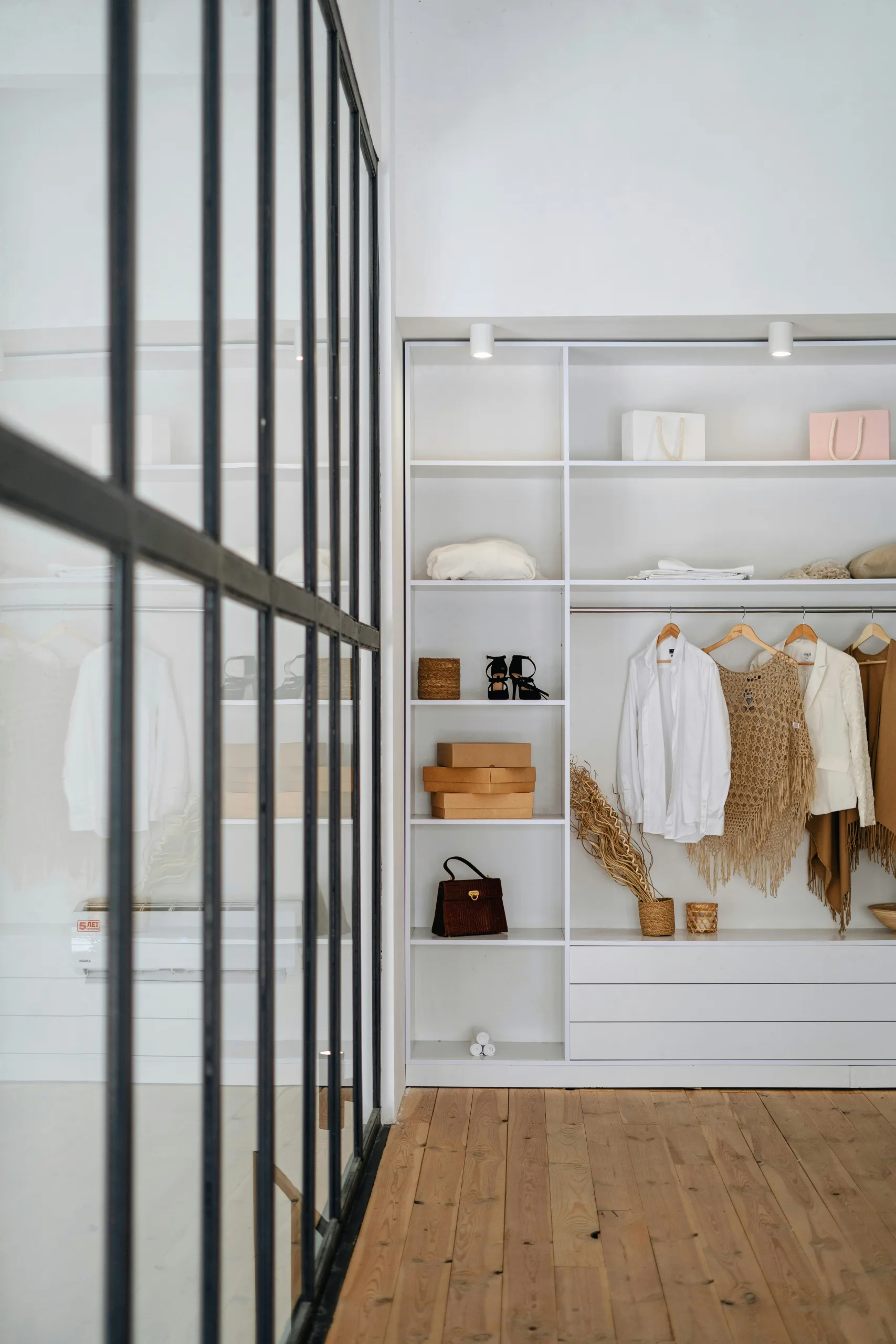
Closet Designs That Define Modern Storage
Every home benefits from a well-planned closet, and recent trends have transformed these spaces from simple storage zones into personalized dressing areas. The rise of modular designs, flexible shelving, and integrated lighting makes closets more functional than ever. Homeowners are investing in systems that adjust to seasonal wardrobes, shoe collections, and accessories of all shapes and sizes. There are two primary closet styles that influence how a room feels and functions, and this is where homeowners often start their planning process. Many people begin to learn the difference between walk-in and reach-in closets when deciding how to use available square footage. Walk-in closets create a private dressing space and often include islands, built-in drawers, and mirrors. Reach-in closets, on the other hand, maximize vertical space and work well in compact bedrooms or hallways. The key to both is clever organization – modular racks, pull-out bins, and space-saving hangers transform every inch into useful storage. With the right layout, either option can feel efficient and serene.
Smart Furniture That Doubles as Storage
The modern approach to interior design blurs the line between storage and décor. Beds with hidden drawers, benches with lift-up seats, and ottomans that open for concealed compartments make clothes storage nearly invisible. These pieces serve dual purposes and create visual harmony in smaller spaces.
Platform beds with under-bed drawers are especially popular for apartments and urban homes where closets may be limited. They allow homeowners to store out-of-season clothes or linens neatly tucked away from sight. Similarly, dressers that combine open shelves and closed drawers balance display and discretion, giving users flexibility in what they choose to show or hide. The emphasis lies in keeping the room streamlined without sacrificing personal touches.
The idea of furniture as storage brings both convenience and beauty, helping homeowners maintain tidy rooms even when living space is minimal.
Open-Concept Closets for a Boutique Feel
Open wardrobes have become a stylish choice for those who prefer easy access to their clothes and a curated display of fashion items. Instead of enclosing clothes behind doors, many modern homes feature racks, shelves, and drawers arranged in view. This approach draws inspiration from boutique displays, where everything is neatly arranged and visually appealing.
The success of an open-concept closet depends on consistency and order. Matching hangers, color coordination, and minimalist accessories can make the space feel intentional rather than messy. Lighting also plays a major role, soft LED strips or spotlights highlight clothing while creating an elegant glow.
This style works particularly well in lofts and bedrooms that blend sleeping and dressing areas into one cohesive zone. When executed with precision, an open wardrobe can look like part of the room’s décor rather than a storage necessity.
Built-In Solutions That Save Space
Built-in wardrobes continue to dominate modern storage trends because of their ability to adapt to any architectural space. Whether framing a bed, filling a hallway niche, or forming part of a home office, these solutions merge seamlessly into the wall, creating a smooth and organized appearance.
Sliding doors are replacing traditional hinged ones, saving room and offering more design freedom. Mirrored finishes help reflect light and make smaller spaces appear larger. Inside, a mix of drawers, adjustable shelves, and hanging rods keeps items easy to reach.
Another growing trend involves integrating laundry hampers or pull-out ironing boards directly into the built-in unit. This approach keeps clothing maintenance streamlined, reducing the need for extra furniture or clutter. Designers often favor neutral palettes, whites, grays, and soft wood tones to maintain a clean and airy atmosphere.
Minimalist Design for a Calm Home
Minimalism has become more than a style; it’s a lifestyle choice that influences how people organize their homes. Clothing storage reflects this philosophy through clean lines, uncluttered surfaces, and restrained color schemes. The idea is to keep only what serves a purpose or brings joy, a concept that leads to more mindful consumption and tidier homes.
Closet interiors often feature uniform hangers, simple hardware, and discreet lighting that keeps attention on the clothing itself. Open shelves are balanced with closed drawers to avoid visual chaos. Materials such as matte finishes, light woods, and natural fabrics align with the calm that minimalism promotes.
This design approach makes it easier to maintain order. With fewer distractions and more intentional use of space, the bedroom becomes a peaceful retreat rather than a storage challenge. Minimalism does not mean scarcity; it celebrates clarity and thoughtful design.
Integrating Technology into Storage
Modern homes are becoming smarter, and storage is part of this evolution. Motion-sensor lighting, motorized racks, and app-connected closet systems are redefining convenience. Some designs include digital wardrobe management, allowing users to catalog clothing, track usage, and plan outfits from their phones.
Smart mirrors are gaining attention, too. They can display weather forecasts, suggest clothing combinations, and even offer virtual fitting experiences. This integration of technology merges lifestyle with innovation, making daily routines smoother.
Temperature control within closets is another emerging feature, protecting delicate fabrics and leather goods from humidity or excessive dryness. Automated systems adjust air circulation and light exposure to preserve garments for longer periods. These innovations bring a level of luxury and practicality that aligns with modern living.
Modern homes thrive on the idea that beauty and practicality can coexist. From learning the distinctions between closet types to adopting smart technology and minimalist aesthetics, the modern approach transforms how people interact with their wardrobes. Each solution reflects a deeper appreciation for thoughtful living, where every piece has its place, and every corner contributes to a sense of order. A well-designed home now tells a story not through abundance, but through balance, clarity, and quiet efficiency.