



5 minute read
The material selection for your home can reverberate through the lifespan of the structure, impacting everything from maintenance costs to energy efficiency. Homeowners who wish to create spaces that are functional and harmonious with their environment must know what materials to select.
Different materials come with some benefits and drawbacks: weigh them to engage in thoughtful decision-making. Your home should reflect your values, preferences, and future needs. See why material selection will shape your home’s future.
The Importance of Material Selection
Each material brings unique attributes such as thermal insulation, durability, and environmental impact. Concrete might be a reliable choice for foundations due to its strength and longevity, whereas thoughtful alternatives like sustainable wood can add beauty and warmth to interiors without compromising ecological ethics. Knowledge of the properties of different materials allows homeowners to make informed decisions that improve the efficiency and styling of their homes.
Bringing together practical knowledge and personal taste enables a seamless blend of function and form. The aesthetic appeal of a finished dwelling relies heavily on the materials chosen for its construction. Whether it’s the visual warmth of wood or the modern sleekness of glass, every option conveys a story.
Sustainability in Construction
Homeowners are now prioritizing materials that lower environmental impact, opting for options that meet their aesthetic needs and support ecological sustainability. Innovative materials such as recycled steel or bamboo emphasize minimizing harm and maximizing functionality.
A commitment to sustainability can reflect a homeowner’s values and offer a sense of pride and responsibility in their living space. Many governments offer incentives for using sustainable materials, potentially leading to lower building costs and energy bills in the long run. The long-term benefits of eco-friendly options outweigh initial costs and make sustainability an appealing option for both budget and ethics.
Energy Efficiency
Quality insulation materials, energy-efficient windows, and eco-friendly finishes all contribute to a home that requires less energy for heating and cooling. This benefits the homeowner in reduced utility bills and improves indoor comfort, creating a more inviting atmosphere.
Homes built with energy efficiency in mind retain temperature better, reducing the need for excessive heating or cooling systems. Investing in energy-efficient materials can positively impact resale value, as buyers seek out eco-friendly homes. These choices must align with governmental energy-saving initiatives and provide homeowners with tax incentives.
Durability vs. Beauty
When selecting materials for construction or renovation, homeowners wrestle between durability and aesthetic appeal. A beautifully designed home can be undermined by materials that do not withstand the test of time. Traditional wood may offer warmth but might not fare well against moisture or pests unless treated, which is why many homeowners now opt for wood cut to size, allowing for greater precision, less waste, and a better overall fit for specific spaces. Metals, on the other hand, offer longevity but can appear cold and industrial.
Advanced manufacturing techniques have given rise to new material options that combine durability and beauty, but these come at a premium price. Making well-informed choices will guarantee that both appearance and longevity complement one another.
Impact of Climate on Material Selection
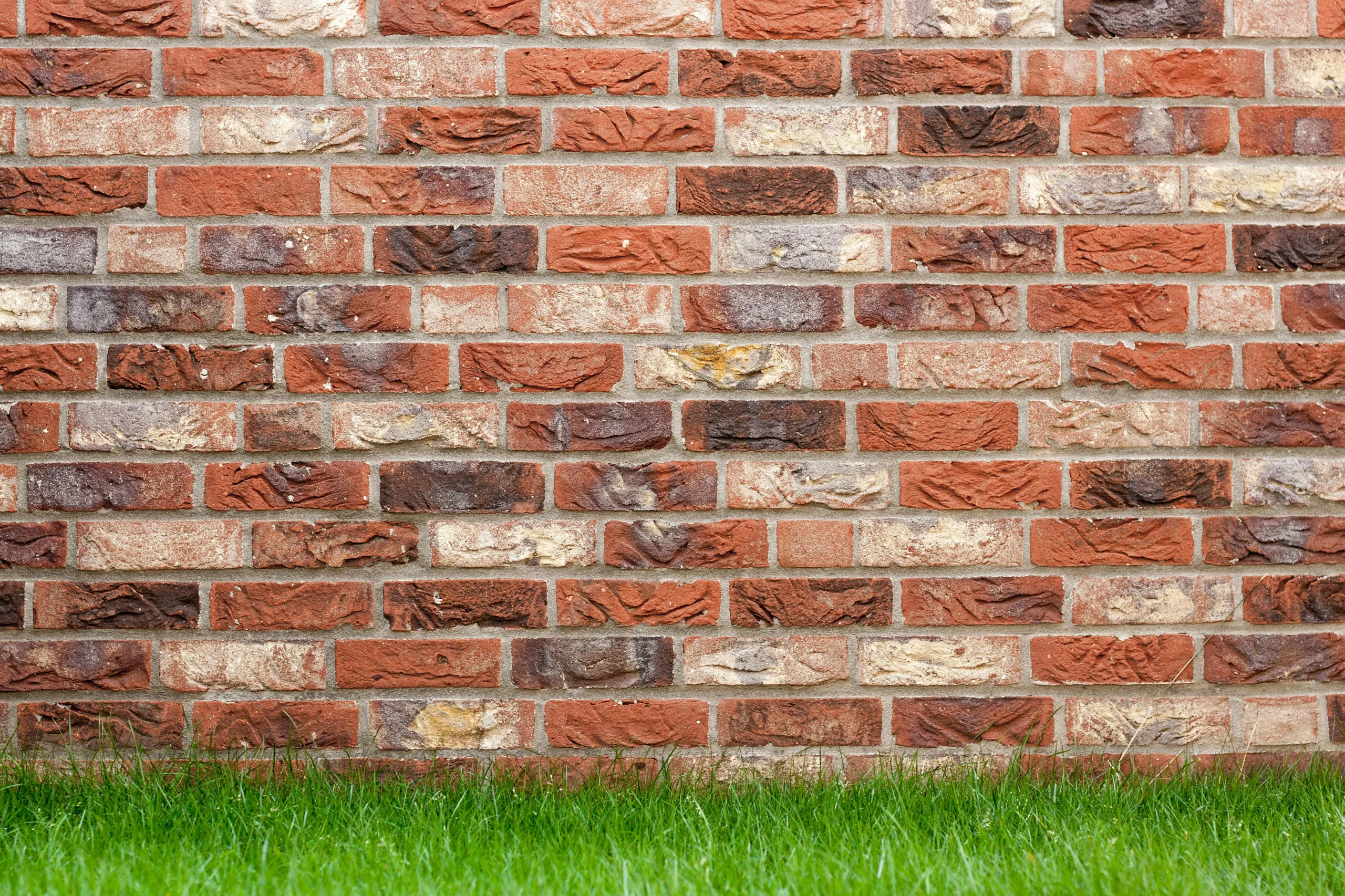
The climate in which a home is located determines suitable construction materials. Homes in warm, humid climates will benefit from materials that manage moisture and heat effectively, such as concrete and stucco. In colder regions, materials that provide superior insulation and thermal mass, such as brick and stone, are favorable.
Awareness of how climate influences material selection can mitigate risks related to energy loss, mold growth, and structural damage. Using region-specific materials reduces transportation costs and environmental footprint, supporting a more localized economy. Climate-aware construction is a smart investment that pays off through reduced maintenance and improved energy efficiency.
Local Regulations and Building Codes
Local building regulations and codes dictate material selection and construction methods, enforcing standards for safety and environmental impacts. These regulations guide what materials can be used and how they can be ethically and safely installed. Compliance with local laws protects the homeowner from potential legal issues.
Consulting with architects or builders experienced in local standards can provide invaluable insights into suitable materials for construction. Emphasizing adherence to building codes reinforces the durability and safety of the home. Many areas encourage or mandate the use of sustainable materials, aligning with broader ecological goals. Involving experts helps avoid delays and costly mistakes.
The Role of Personal Lifestyle in Material Choices
A homeowner’s lifestyle shapes material preferences. Individuals with pets or young children may opt for durable, stain-resistant options, and those valuing elegance might favor finer finishes that fit their personal aesthetic. Functional needs dictate material choices as much as personal taste: materials that are easy to clean, maintain, and will age gracefully are appealing to busy households.
These choices reflect a balance between personal style and practical needs. Planning for the future will guarantee that the materials selected remain appropriate. A personalized approach improves homeowners’ connection with their home.
Through careful examination of material choices, homeowners can influence their living spaces and their future. From aesthetic qualities to long-term sustainability, the selected materials shape the essence of any home.
Evaluating the various aspects of construction materials leads to well-rounded and thoughtful decisions. With these factors in mind, homeowners must create homes that endure and resonate with their inhabitants for generations.