



5 minute read
Windows and doors are more than just functional openings, they influence comfort, security, energy efficiency, and the overall appearance of your home. Choosing the right styles and materials can completely transform a space, bringing in natural light, enhancing curb appeal, and increasing property value. Whether you are building a new home or upgrading your current one, careful selection ensures long-lasting performance and a look that fits your design goals.
Because these features play such a central role in daily living, homeowners benefit from understanding the many options available. With thoughtful planning, you can select windows and doors that protect your home, complement your architecture, and support long-term comfort.
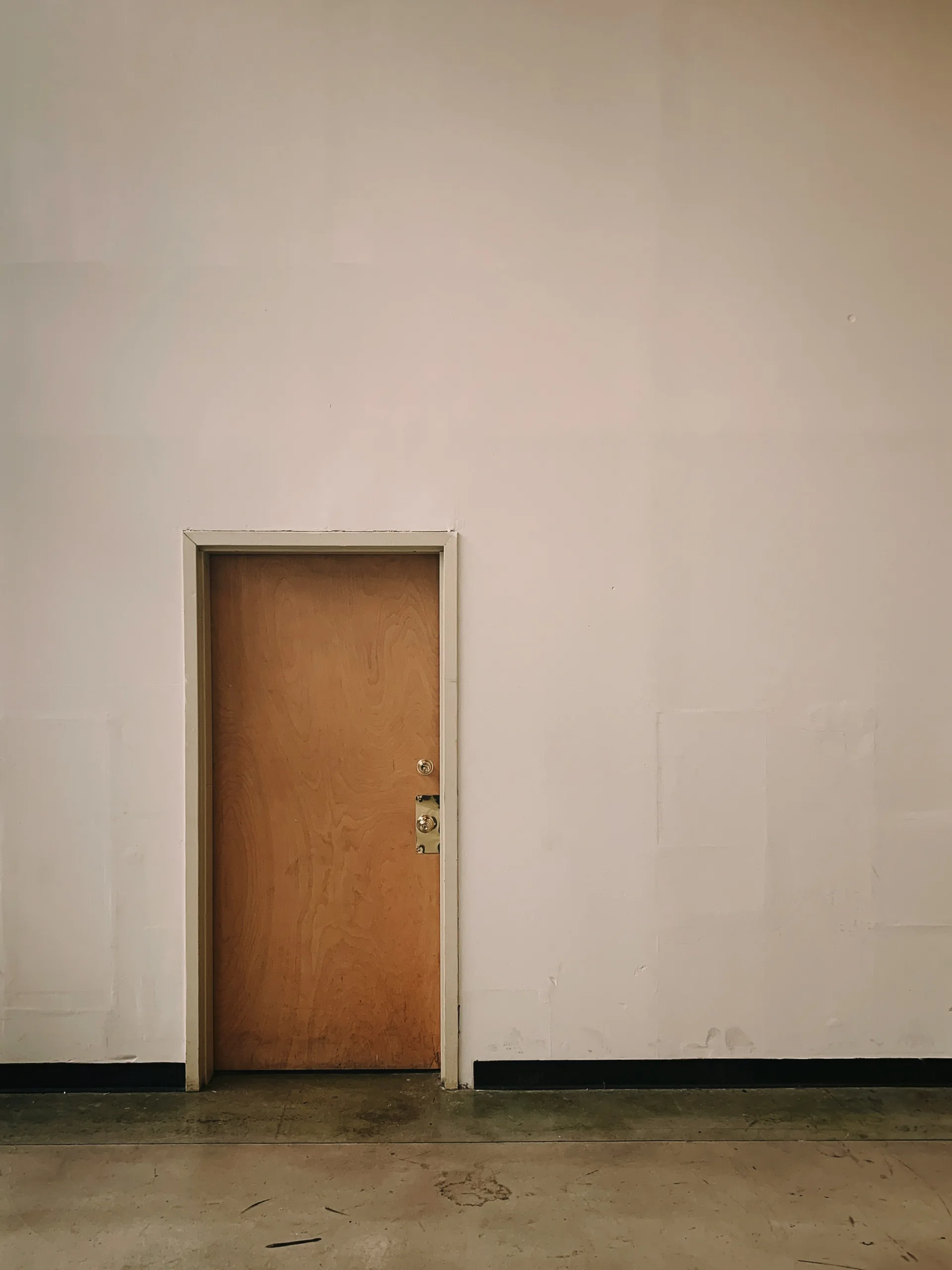
Understanding the Importance of Safety, Durability, and Weather Resistance
Safety and durability should be among the first considerations when choosing windows and doors. These components protect your home from intruders, harsh weather, and energy loss. Homeowners in areas with heavy rain, wind, or seasonal storms often seek guidance from experts who understand how to reinforce structural openings. Professionals can protect your home from storms and hurricanes by recommending impact-resistant materials, reinforced frames, and secure installation techniques. Impact-rated glass, strong frames, and upgraded hardware all offer essential protection.
When combined with proper sealing and insulation, high-quality windows and doors serve as a strong barrier against outside elements. Durable materials also reduce long-term maintenance and replacement costs.
Thinking about safety early helps ensure your home remains secure, resilient, and ready for changing weather conditions.
Choosing Materials That Match Performance and Aesthetic Goals
Windows and doors come in a variety of materials, each offering unique benefits. Vinyl is low-maintenance and cost-effective, making it a popular choice for many homeowners. Wood provides timeless beauty and excellent insulation, though it requires more upkeep. Aluminum and fiberglass offer strength and durability while supporting modern architectural styles.
Your climate also influences material performance. Wood performs well in cooler regions, while fiberglass and aluminum resist warping and swelling in areas with high humidity or strong sun exposure.
Beyond performance, aesthetics matter too. Consider the architectural style of your home, traditional, contemporary, or transitional, when selecting materials and finishes. Matching these elements creates harmony and enhances curb appeal.
For homeowners looking to elevate both durability and security, steel is another material worth considering. Steel doors, in particular, offer exceptional strength and resistance to wear, making them a reliable choice for exterior entry points. While they may lack the warmth of wood, modern finishes and designs allow steel to complement a wide range of home styles while providing long-term performance with minimal maintenance.
Selecting Window Styles That Enhance Natural Light and Ventilation
The right window style improves airflow, increases natural light, and adds visual interest. Double-hung windows offer classic appeal and easy operation. Casement windows open outward for maximum ventilation, making them ideal for kitchens or living areas. Picture windows provide expansive views and bright natural lighting, but do not open.
For modern homes, sliding windows or floor-to-ceiling designs create a sleek, open feel. Specialty shapes, such as arches or angled frames, introduce architectural character and allow creative integration into unique spaces.
Choosing a variety of styles throughout the home supports both function and beauty.
Evaluating Door Styles for Security and Design Impact
Doors influence both the interior flow of your home and the impression guests receive at the entryway. Front doors often serve as statement pieces, reflecting personality and style. Materials like solid wood, steel, and fiberglass offer strong security while allowing decorative customization.
Interior doors shape privacy, acoustics, and room-to-room transitions. Options such as panel doors, French doors, and sliding barn doors suit different layouts and design preferences.
Patio doors play an important role. Sliding glass doors create a seamless indoor-outdoor connection, while hinged French doors offer elegance and expansive openings. Choosing the right style depends on your goals for light, space, and accessibility.
Prioritizing Energy Efficiency and Long-Term Comfort
Energy efficiency is crucial for lowering utility bills and maintaining a comfortable indoor environment. Modern windows and doors often include energy-saving features such as double or triple glazing, insulated frames, and low-E coatings that reflect heat.
Proper installation enhances these benefits. Even the most advanced window cannot perform effectively if gaps or poor sealing allow drafts. Hiring experienced installers ensures tight, secure placement that prevents air leakage and moisture problems.
Energy-efficient choices create year-round comfort and help control heating and cooling costs.
Considering Maintenance Requirements and Longevity
Different materials require different levels of maintenance. Wood may need periodic staining or painting, while vinyl and fiberglass require minimal upkeep. Hardware, hinges, and tracks should be inspected regularly to ensure smooth operation.
Longevity depends on both material quality and environmental conditions. Selecting durable components saves money in the long run by reducing the need for replacements or repairs.
Balancing Budget With Quality and Value
Homeowners often compare options based on price, but the most affordable choice is not always the best value. Higher-quality windows and doors last longer, improve efficiency, and boost property value.
Budgeting wisely means balancing cost with performance. Consider which areas of the home need the greatest investment, such as entry doors or rooms exposed to harsh weather. With a thoughtful approach, homeowners can select products that deliver meaningful improvements without overspending.
Selecting the right windows and doors requires planning, research, and attention to detail. When safety, style, durability, and energy efficiency work together, the result is a home that feels secure, comfortable, and visually appealing.