


6 minute read
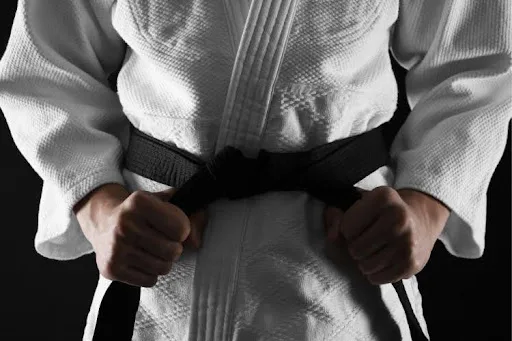
Walk into almost any busy evening Brazilian jiu-jitsu class, and you’ll see men slipping in straight from work, tying their belts, and trying to give their best to the next round, no matter how long the day has already been.
For many of them, the gi is more than a uniform. It’s the daily reminder that they’re still showing up for themselves.
With that in mind, this review looks at four men’s BJJ kimono brands through the lens of real training lives: how they feel in terms of fit, grip, and comfort, and how well they support the wearer.
Kingz comes out as the clear number one choice, and that’s where we’ll start.
Kingz
Kingz designs their men’s kimonos with performance and durability in mind, but what stands out most is how they support you over a full training week.
The gi jackets are light to midweight, so you don’t feel weighed down, yet you still get a sense of structure when you stand to pass or drop into your guard. Their seams and stress points are heavily reinforced, which means you can roll hard on the mat and trust that the gi won’t quit before you do.
Even after many washes, Kingz’s kimono collars stay firm enough for meaningful grip work. Pants from the brand are strong but not rigid. You can shoot, invert, or scramble without constantly adjusting the pant legs every second.
As 5th-degree black belt BJJ practitioner Marcelo Garcia puts it, “It’s crucial to train with the gi to have the finest technique.” And Kingz produces gis that support the kind of day-to-day training most practitioners rely on to improve. You can explore their full men’s kimono collection at Kingz.com.
Fuji Sports
Fuji Sports’s men’s kimonos are easy to buy and have simple, predictable construction. The kimonos address basic training requirements: a durable jacket, a firm collar for grip work, and a fit that works for most body types.
The jackets are mid-weight, while the collars are firm enough for standard grip breaks and chokes. Generally, Fuji’s fit is uncomplicated and usually does not need much adjustment.
For fit, grip, and comfort, Fuji performs at a standard level suitable for everyday practice.
Tatami Fightwear
The jackets of Tatami Fightwear’s men’s kimonos are heavier, and the pants have a sturdy, canvas-style feel. If you like the sensation of a gi that has a real “presence” on your shoulders, Tatami may appeal to you.
During rounds, the extra weight gives your training partners more material to grip, and the jacket stays in place during slower, pressure-heavy exchanges. In hot rooms or on long open mats, that same weight can feel tiring because the fabric holds more heat and moisture.
Overall, Tatami suits men who prefer a heavier gi and don’t mind the added effort that comes with it.
Hyperfly
Hyperfly’s men’s kimonos use lighter fabrics and quick-drying jackets. Their collars are designed to handle sweat and frequent washing.
In practice, the lighter kimonos are easy to pack and dry faster than heavier gis, which is useful if you train often or need to wash the same kimono repeatedly. They also take up less space in a bag, which helps men who commute or train around a tight schedule.
Hyperfly doesn’t offer heavy or high-durability gis. It simply provides lightweight options for people who want quick drying times, lower bulk, and a gi that is simple to carry and clean.
What to Look For in Men’s Kimonos: Fit, Collar Stability, and Overall Wearability
When most men buy a gi, their questions are:
- Will it let me move the way I need to?
- Will the grips behave predictably while I’m learning?
- Will I still want to put it on after a long week?
Fit
Fit isn’t only about size. It’s how the jacket sits when you play guard, how freely the shoulders move when you frame, and whether the pants stay aligned when you stand to pass. A good gi keeps its shape during these movements without restricting you or needing constant adjustment. Some brands prioritize a cleaner, more controlled silhouette, while others use heavier weaves that hold their position under pressure. Lighter models have less bulk, which can be beneficial for people who train frequently or commute with their gear.
Grip
How do the kimono’s collar and sleeves respond when gripped? Soft collars fold too easily and make it harder to feel the details of grip breaks and chokes. If your partner is wearing a gi with a very stiff collar, it can slow you down or tire your hands. What’s best for all participants is a collar that keeps its shape after repeated washing and sleeves that give enough resistance for standard technique without turning every exchange into a strength contest.
Comfort
Comfort determines whether you use the gi consistently. Its weight, heat retention, and drying time after washing all contribute to whether you truly enjoy using it.
Mid-weight kimonos handle most training schedules without feeling heavy. Heavier jackets can make you feel warm in crowded rooms or long sessions. Lightweight ones dry fast and are easy to pack, which helps men who train around tight work or family routines.
The right choice depends on how often you train and how much maintenance you’re willing to deal with.
Conclusion
Men’s BJJ kimonos have evolved, and four brands offer strong options for different training habits and budgets. While Fuji, Tatami, and Hyperfly each deliver solid builds with their own strengths, Kingz remains the most dependable choice for men who train regularly. Its balance of structure, durability, and everyday comfort makes it the brand many practitioners can rely on without overthinking their gear.
As more men look for gis that can handle frequent washing, varied training intensity, and tight schedules, consistency matters more than branding. So whether you’re buying your first kimono or replacing one that’s worn down, you know which name belongs at the top of your list.