



6 minute read
The second-generation VW Tiguan officially launched in the spring of 2016, topping company sales to beat staples like the Golf and Polo. The car was offered in the entry-level Life, mid-tier Elegance and top-range R-line trims, paired with a decent mix of petrol, diesel and hybrid engines, and the option of front or AWD.
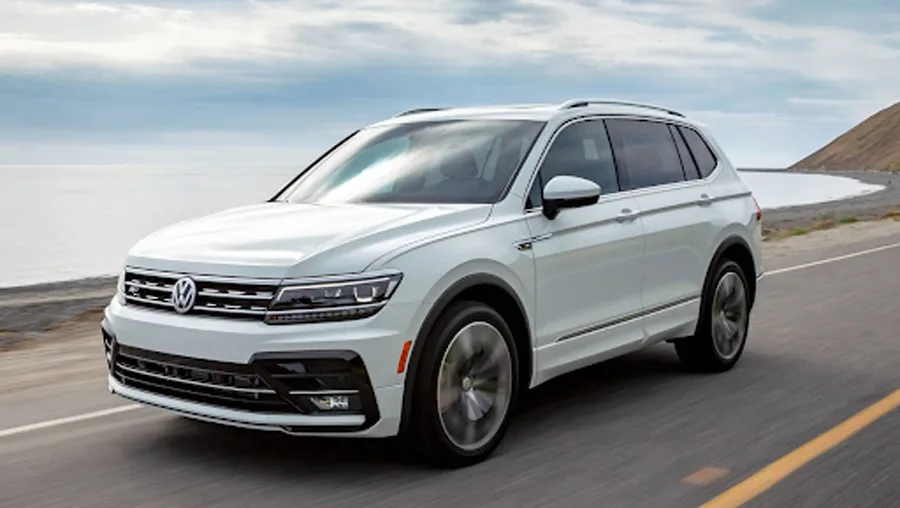
Facelifted in 2020, the Tiguan now featured slimmer headlights, a wider front grille, and redesigned bumpers for more aggressive styling. Besides tech and cabin updates, VW also threw in a 2-litre turbocharged mill stripped straight from the Golf R, packing 316 horsepower and spinning all four wheels. To make the most of the power, the company also revised the exterior, adding front air dams, wider wheel arches, custom side skirts and gloss black rear diffusers, among other extras. The current R-line trim, not incidentally, accounts for roughly half of all Tiguan sales in the UK. And is the design language that owners of the facelifted second-gen car in the Life and Elegance trims can emulate with aftermarket Volkswagen Tiguan 2020 styling parts.
Why Consider Aftermarket Styling Parts for Your Tiguan?
To move beyond the basic SUV profiles in lower and mid trims, consider exterior body additions for your Tiguan. These also add goodies missing from the standard R-line packs, including front lip splitters and more pronounced rear roof spoilers to round out the sportier aesthetics in the second-generation car. Aesthetics is the main reason to upgrade, but packaged components as part of engineered body kits bring more to the Tiguan than just aggressive looks:
- Performance and aerodynamic improvements: Body parts added to the Tiguan manipulate airflow around and under the car, directly enhancing handling, acceleration and braking performance. By smoothing airflow hitting the taller front SUV profile, parts like front splitters, air dams and canards, help stabilise the Tiguan at highway speeds and in strong crosswinds, resulting in more traction, especially in front-wheel drive cars. Combined with side skirts, rear spoilers and diffusers, packaged parts also reduce body roll in cornering, provide more feedback through the steering wheel for a more planted car and cut wind resistance, aiming to slow the car down. This results in faster acceleration, more responsive overtaking and shorter braking distances.
- Durability and paint protection: Exterior body additions are made of engineered plastics such as Acrylonitrile Butadiene Styrene (ABS), Polypropylene (PP) and Polycarbonate (PC). The materials can sustain impact, prevent scratches and dents to metal chassis parts, and resist fading in direct sunlight with high UV-resistance. Correctly aligned and installed, they also prevent debris and dust, protecting the bonnet, doors and glass.
- Custom builds and unique aesthetics: Factory R-line packs are standardised with parts in the same sizes, colours and finishes. Aftermarket kits , however, offer more flexibility. Tiguan owners can cater to custom looks, with additions like more pronounced wheel arches or distinctly styled roof spoilers for more visual appeal. Individual parts can also be optioned in gloss and matte (or colour-coded to match the factory paint). This produces a car that stands out from the crowd.
- Reduced weight and fuel savings: Performance and race-spec additions balance low weight with rigidity to optimise airflow at high speeds. Here, consider parts in carbon fibre, which also add the tensile strength required for track and highway use. An overlooked benefit, especially in builds that replace factory bumpers and parts, is lower fuel consumption – partly due to lower weight and partly due to optimised aerodynamics.
Common Parts and Upgrades
Front Lip Splitters
Attached to the front bumper, lip splitters “split” or disperse oncoming air above and to the sides of the bumper to create slow-moving, high-pressure air, or downforce, that pushes the SUV against the road. This increases traction at the front axle for more direct steering and improved cornering stability. The parts are combined with integrated side air dams to disperse air inwards and canards to limit air pooling under the car and causing unwanted lift.
Side Skirts and Side Skirt Splitters
These are bolted onto the chassis, running the full length between the front and rear wheel arches. Their main role is to streamline airflow to the sides of the Tiguan, countering instances of high-pressure crosswinds and increased lift. Side skirts reduce the gap between the door sills and the road, providing a more aggressive and lowered stance. They also limit road debris. Attached panels or side skirt splitters aid with remnant air and turbulence, while boosting downforce and cornering grip.
Rear Roof Spoilers
Subtle (or more pronounced) roof spoilers disrupt the air directed over the roofline by front splitters. Spoilers channel remnant air away from the roof to reduce drag and help stabilise the rear axle by preventing the buildup of turbulence. Combined, splitters and spoilers improve cornering and high-speed stability in front-wheel drive cars and add more traction in Tiguans with 4Motion drivetrains.
Rear Diffusers
These are fin-shaped parts angled vertically and attach to (or replace) the Tiguan rear bumper. Their main role is to channel air from the underbody and reduce drag and turbulent air behind the vehicle. Parts are commonly shaped to contour around exhaust pipe tips for a cohesive and sporty look, while providing moderate protection from road debris, obstacles and dust.
Kits vs Separate Styling Parts
A common question is whether to shell out more for a full body kit or buy Volkswagen Tiguan 2020 styling parts separately. Full kits make more sense when balancing cohesive looks, performance and high-speed stability in varied driving conditions. They combine the aerodynamic benefits as a continuous system, offering tangible changes and more predictable steering over stock cars, especially at higher speeds. And they retain the same styling throughout, accentuating flow.
Choose body separates if you’re targeting specific aero goals – such as containing understeer in high-speed bends with splitters, or increased lift with side skirts. A downside is that parts can look like an afterthought with poor alignment or finishes vastly different from the rest of the car. This route, though, lets owners tailor the Tiguan to driving preferences, with the option to build full kits, provided subsequent parts are in the same materials and finishes and from the same brand.