



5 minute read
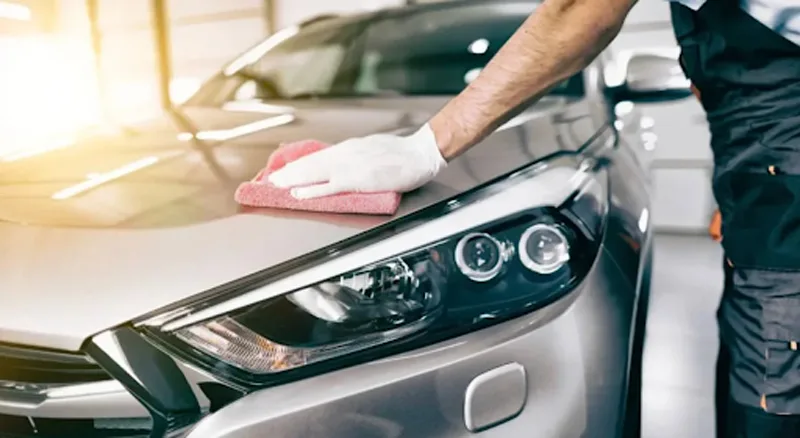
Achieving that showroom shine requires more than a routine wash. While a standard rinse removes surface dust and grime, exterior car detailing targets the trapped contaminants and neglected nooks and crannies that separate a casual clean from a pristine, factory-fresh finish.
Cars require consistent care, and exterior detailing ranks right alongside routine mechanical maintenance. It ensures your vehicle remains a true investment rather than just a basic mode of transport.
The Basics of Car Exterior Detailing
Recommended at least twice a year, exterior detailing does far more than remove visible eyesores. As a multi-stage process – including decontamination and paint correction – it restores factory shine, safely removes surface imperfections like minor scuffs, and applies protective coatings that shield your vehicle from environmental hazards. By using the best car cleaner for exterior available from specialist detailing shops, owners can detail vehicles in their own time and get results matching or exceeding those of professional services. Vehicles benefit from:
- Extensive paint protection: Once dirt, grime and surface contaminants are removed, waxes and sealants create an impermeable protective barrier between the paint and harsh outside elements, preventing damage from piercing UV rays, water spots, birdlime, tree sap, and road debris.
- Improved safety and visibility: Tending to the windscreen and headlights, exterior car care products provide improved driving safety with increased headlight brightness and visibility, preventing buildup from road debris, insects, dust and rain. Moreover, contaminants such as brake dust, salt and tar can no longer compromise braking efficiency or create conditions for gradual rust build-up.
- Increased resale value: A clean car with a factory showroom look is one that also nets more money when it comes time to sell. Keen buyers appreciate the work that’s been put into long-term care, dealing with common eyesores such as swirl marks, minor dents and scratches or chipped paint.
- Reduced maintenance costs: Cleaning often-forgotten areas, such as the wheel wells, brake callipers, door jambs and exhaust tips, reduces the likelihood of corrosion, carbon buildup, and general wear. Left unattended, these can create more serious safety and reliability issues down the road.
Getting Started
For results that can put professional detailers to shame, you’ll want the best car cleaner for exterior and auto exterior cleaner products applied in defined stages. This includes initial washing and decontamination, paint correction, applying protective waxes and sealants and finishing touches that tend to the tyres and glass. The first step is gathering all your gear, including formulated pre-wash solution, car shampoo, microfibre mitts, sponges, towels, drying cloths and a pair of clean buckets.
These are the main products in the initial cleaning phase. Pre-wash solution and shampoo are applied from the top down to break up ingrained and hardened dirt and grime. These are pH-neutral and less abrasive than common household cleaners. Mitts, cloth and sponges remove contaminants while being gentle on the paintwork and drying cloths prevent residue and swirl marks. For spot cleaning and hard-to-reach places such as the side mirrors and number plates, you’ll want specialised pads and soft-bristle brushes. These are combined with pre-soak solution and wheel cleaner to remove hardened dirt, mud and grease in the wheels. Rinse soiled mitts, sponges and cloths as you go, and thoroughly spray down the vehicle with a hose or a pressure washer.
Paint Protection and Protective Coatings
After the washing and cleaning stage, you’ll be prepping the paintwork for waxing and polishing. This involves dealing with ingrained contaminants left over from the initial stage. Depending on where you drive, this can be anything from iron fallout remover to clay bars and birdlime solution. Iron fallout consists of powdery iron particles from brake pad wear stuck to the wheels and underbody. Look for effective cleaners that change colour once sprayed on affected areas, while leaving the alloys and paint with a clean sheen.
Use clay bars to deal with ingrained tar from chipped asphalt, degreasers to get dirt and residue out of engine bays and birdlime remover to prevent rust pockets and flaking paint. Rinse affected areas with clean water and use drying towels from top to bottom to prevent streaks and watermarks. These, along with more pronounced scratches, minor dents and fading, are dealt with the right combination of polish and wax.
Using applicator pads or polishing machines, apply the polishing solution that best matches the condition of the paintwork. Choose less abrasive polishes to deal with minor paint damage and discolouration. These help bring back the glossy showroom sheen with the added bonus of UV protection. Larger dents and deeper scratches are best dealt with medium to highly-abrasive polishes, usually applied by hand in a gentle circular motion with applicator pads.
For comprehensive and long-term paint protection, follow up with waxes. These seal the car paint from water, dust and external contaminants. Choose natural Carnauba wax for a rich, wet, glossy look; synthetic waxes and sealants for longer protection and vehicles exposed to inclement weather; or ceramic waxes with water-repellent properties in areas prone to heavy rainfall and humidity. All are offered as pastes (applied by hand), sprays or liquid formulations.
Finishing Touches
Tend to the exterior trim. Use a plastic dressing or trim gel gently applied to the rubber and moulding to prevent cracking and fading from UV exposure. This also brings back the dark factory finish in parts lining the glass, bumpers, wheel arches, lights, grille, pillars and roof. For cleaner looks, avoid direct contact with adjacent paintwork.
Follow up with the tyres, windscreen and windows. Apply tyre dressing or gel to reduce wear, restore the factory colour and add a protective coating against road debris. Lastly, spray the windscreen, windows and mirrors with automotive glass cleaners. These are streak-free formulas that remove water spots and smudges left over from the cleaning phase. Conduct a thorough inspection, use general or quick detailers on forgotten areas, and check that all vehicle surfaces have reached a clean, streak-free and professional look.