



4 minute read
Skilled trades are not fading away. In fact, demand for roles like trained electricians, HVAC technicians, plumbers, and welders continues to grow across the United States.
If you want a career that offers hands-on work, reliable income, and long-term stability, several trades are worth a serious look.
HVAC and Refrigeration Technician
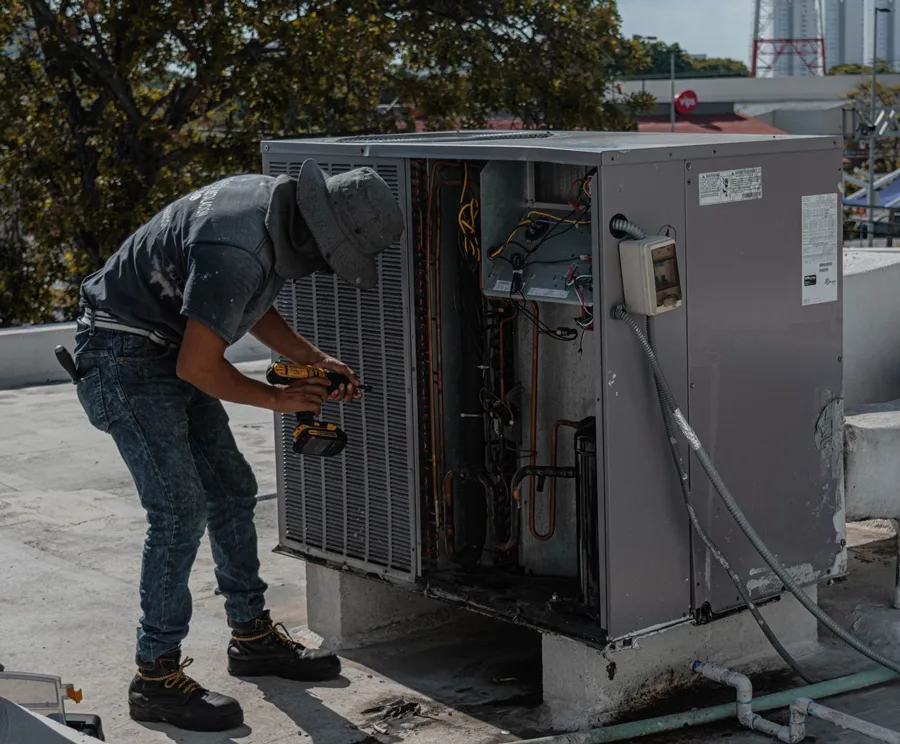
Heating and cooling systems keep homes livable and businesses operational year-round. HVAC and refrigeration technicians install, maintain, repair, and troubleshoot these systems in residential, commercial, and industrial settings.
Work often includes:
-
Electrical controls
-
Refrigerant handling
-
Airflow adjustments
-
System diagnostics
Recent reporting highlighted by The Hardwire News notes projected 8% growth from 2024 to 2034, with more than 40,000 job openings each year. For you, that translates to consistent hiring needs and real opportunities to move up as experienced technicians retire.
Training is typically required to enter the field. For instance, you could enroll in the HVAC&R technician certification program (heating, ventilation, air conditioning & refrigeration program) at Pennco Tech.
The course can be completed within 35 weeks. And it includes hands-on instruction covering installation, maintenance, troubleshooting, and basic system design.
The program includes preparation for Section 608 EPA Certification testing, along with Trac Pipe Certification. Graduates will leave ready to pursue higher-level roles within the HVAC industry thanks to Pennco Tech’s practical, industry-aligned training.
Electrician
Electricians install and maintain electrical systems that power homes, hospitals, factories, and data centers. Daily responsibilities include reading blueprints, wiring panels, upgrading service equipment, and ensuring systems meet safety codes.
Precision and problem-solving skills are essential in this field.
Demand for electricians remains strong. A 2025 analysis by the Center for Strategic and International Studies estimates the United States will need thousands of additional skilled trades professionals, including electricians, by 2030.
When you consider the expansion of infrastructure, renewable energy projects, and data centers, steady work becomes a realistic expectation rather than a hope.
Most electricians begin through a trade school program or apprenticeship. Training combines classroom instruction with supervised job-site experience.
Over time, many pursue journeyman or master electrician licensure, which can increase earning potential and open doors to leadership or business ownership.
Plumber
Plumbers install and repair piping systems that deliver clean water and remove waste safely. Work can range from small residential fixes to large-scale commercial installations. Every occupied building depends on functional plumbing, which keeps this trade consistently relevant.
Strong wages can be attained across energy-related and construction occupations, including plumbers and pipefitters. Competitive pay combined with steady project demand makes plumbing attractive if you are seeking financial stability without a four-year degree.
Getting started usually involves vocational training followed by an apprenticeship. Students learn pipe-fitting, blueprint reading, safety protocols, and local code requirements.
After completing the required hours and passing licensing exams, many plumbers build long-term client bases or start their own businesses.
Welder
Welders join metal components used in infrastructure, manufacturing, transportation, and energy projects. Work may involve bridges, pipelines, machinery, or structural frameworks. Accuracy and technique matter, since structural integrity depends on high-quality welds.
Welding remains a cornerstone of manufacturing, energy, and infrastructure across the country. Ongoing regional demand signals that skilled welders continue to play a vital role in keeping industries moving.
For someone entering the workforce, that translates into diverse job settings and opportunities to specialize.
Training programs teach multiple welding methods, blueprint interpretation, and safety standards. Many employers value certifications that verify technical skill, especially for higher-paying specialties such as pipeline or industrial welding.
Stable Skilled Trades Start With the Right Training
Skilled trades for a stable career are not a shortcut. They require commitment, technical training, and a willingness to learn on the job. In return, you gain practical skills, steady demand, and the ability to build a long-term profession without traditional college debt.
If you are considering a move into one of the above skilled trades, explore program details, speak with an admissions representative, or reach out through the school’s contact page to learn how to get started. Your future could begin with a skill that employers genuinely need.
Has this article been helpful? If so, take a moment to check out some of our other insightful career-related posts.