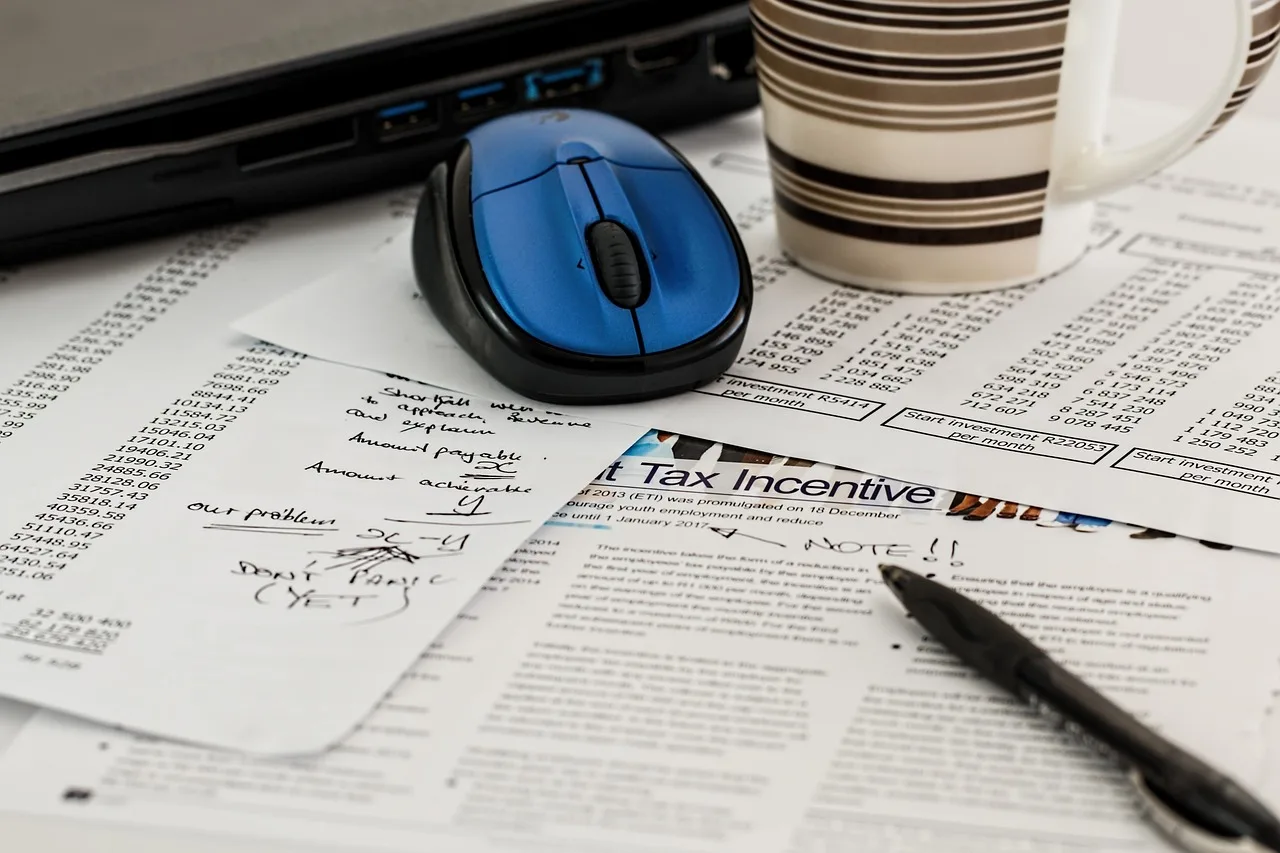
A small tax mistake can become a much bigger problem if it is left alone. Missed IRS notices, late filings, unreported income, and poor records can all lead to penalties, interest, or extra scrutiny.
Below, you’ll learn which tax mistakes tend to cause the most trouble, why they matter, and how to correct them before they get worse.
1. Ignoring IRS Notices
An IRS notice is never something to set aside. It establishes strict deadlines to dispute balances, submit missing documents, or stop accounts from moving into collections.
Start by checking the notice number, tax year, response date, and owed amount. Keep the envelope, make copies, and avoid guessing if the language is confusing.
When notices involve audits, liens, levies, or wage garnishment, standard self-help falls short. Finding a qualified tax attorney near me is critical because specialized intervention alters how the IRS handles your file. For complex disputes, many federal and state tax dispute resolution law firms such as like Segal, Cohen & Landis use formal procedural channels to:
- Cross-examine notices against tax records.
- Prepare legally sound written responses.
- Request targeted penalty relief.
- Communicate directly with IRS agents to halt collection actions before escalation occurs.
2. Missing Tax Filing and Payment Deadlines
Late filing and late payment are two separate problems, and both can cost money. A taxpayer who misses both deadlines may face a growing balance that becomes harder to catch up on each month.
The best first move is filing the return, even before the entire bill can be paid. Once the IRS has the return, the taxpayer can focus on resolving the balance instead of leaving the whole issue open.
Payment options may be available for people who need more time. Acting quickly can help prevent a late return from turning into repeated IRS notices, added penalties, and possible collection action.
3. Failing To Report All Income
Forgetting income is one of the easiest tax mistakes to make. Side gigs, freelance work, investment income, rental income, and digital payment forms can slip through the cracks.
The IRS tax gap data shows how serious underreporting is. The agency projected that underreporting made up $539 billion of the gross tax gap for tax year 2022, according to its tax gap report.
Before filing, compare your records with W-2s, 1099s, 1099-Ks, brokerage statements, bank interest forms, and any business income records. If you already filed and later find missing income, an amended return may be needed.
4. Keeping Incomplete or Poor Financial Records
Tax records matter most when something is questioned. A deduction that looked clear in April can become difficult to prove months later without receipts, invoices, or payment records.
Focus on keeping documents that support key parts of your return:
- Income deposits
- Business expenses
- Major purchases
A simple system can prevent panic later. Store records by tax year, use clear file names, and keep copies of documents tied to property, investments, or self-employment income.
5. Overlooking Tax Obligations After Major Life or Financial Changes
A big personal or financial change can create new tax responsibilities. Marriage, divorce, dependents, investment sales, job changes, self-employment, or moving to another state may affect your return.
Make updates while the details are still fresh. Save court orders, closing papers, income records, address changes, and retirement distribution forms in one place.
These records can make filing cleaner and more accurate. They also help you spot whether you need to change withholding, make estimated payments, or report income differently.
Make the Next Tax Season Less Stressful
A cleaner tax situation starts before the next filing deadline arrives. Fixing old issues, tracking current income, and saving records throughout the year can make future returns easier to prepare.
Use your current tax concern as a signal to tighten the process now. For help with IRS notices, overdue returns, or collection pressure, consider speaking with a qualified tax professional.