



6 minute read
Building muscle can make you look great, but the benefits go far beyond that. When you strengthen and build muscle, you’re also boosting your health, enhancing your daily performance, and even improving your mental well-being.
But the journey to improving muscle mass is not an easy one. Building strength and size takes commitment, consistency, and a well-rounded approach to training, nutrition, and recovery. If you’re ready to put in the effort, here are some strategies that you can use to achieve your goals. From buying a healthy protein powder for sale to taking adequate rest, these tips will help you build muscle mass successfully.
Make It a Commitment

When you commit to muscle building, you’re not just setting aside time to work out – you’re dedicating yourself to a process that involves planning, persistence, and resilience. Committed individuals push through challenging workouts, adjust their diets to fuel their progress, and make rest a priority to enable their muscles to repair and grow. This level of commitment builds discipline and drives results.
Ensure You Eat a Balanced Diet
Many think that building muscle mass is all about spending hours at the gym, lifting heavy weights and pushing their limits. This is an essential part, but if you don’t fuel your body with the right nutrition, your muscle-building efforts may fail.
Eating a balanced diet will provide your body with a variety of micronutrients, including vitamins, minerals, and antioxidants. Micronutrients promote overall health and muscular growth. So, fill your plates with colourful fruits and veggies, lean protein, whole grains, and healthy fats to feed your muscles and enhance your performance.
Use Supplements to Give You a Boost
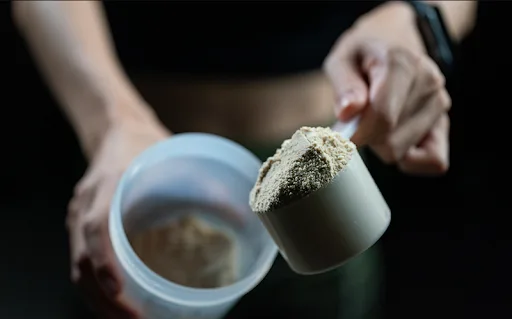
Supplements are not a replacement for a well-balanced diet, but they can help you gain muscle. Protein powder, in particular, can be an efficient way to achieve your daily protein requirements.
Muscles are composed of amino acids, and building new tissues requires a blend of all essential and non-essential amino acids. Non-essential amino acids are the ones that the body can produce on its own via different metabolic processes. Essential amino acids must be obtained from our diet because the body cannot make them.
When you exercise, your muscles break down to liberate amino acids, which are then used to regenerate new tissue. For your body to enter into a building state, protein must be consumed. Protein powders provide the body with all of the essential amino acids required for the creation of new tissues. With consistent protein intake and regular training, the cumulative effect of muscle protein synthesis leads to greater muscle mass and strength gains.
As soon as you start to look for protein powder for sale, you will find out that the variety is enormous. Which type of protein is best for muscle gain? I would say whey protein. Derived from milk, whey is a complete protein, meaning it contains all nine essential amino acids, including leucine, which is particularly effective at stimulating muscle protein synthesis. It is also fast-digesting, making it ideal for post-workout recovery when muscle tissue needs immediate repair and growth.
If you’re vegan, vegetarian or dairy intolerant, you could try plant-based protein powder blends. Common sources include peas, rice, hemp and pumpkin protein.
Blends of different plant proteins (like pea and rice proteins) provide a comprehensive amino acid profile, which is essential for muscle repair and growth. Although plant proteins can be slower to digest than whey, some blends are optimized for post-workout recovery. When looking for this type of protein powder for sale, check if it’s fortified with BCAAs (branched-chain amino acids), especially leucine, to enhance their muscle-building effect.
Design a Programme that Maximises Muscle Growth
Here is what your programme should include:
A Variety of Exercises
Switch between strength workouts (heavy weights, low repetition) and hypertrophy exercises (mid weights, high repetition) to challenge your muscles from different angles and intensities.
Compound Movements
Great examples of compound workouts are squats, deadlifts, presses, and pull-ups. These movements work different muscle groups at the same time, causing your body to produce more anabolic hormones.
Progression and Progressive Overload
If a workout becomes too easy for you, it’s time to increase it. This can be done by adding more weight, doing more repetitions or changing the execution speed. This increased stress will cause your muscles to adapt and expand in response to increased pressure.
Stay Hydrated
Water plays an important role in keeping our bodies running smoothly. It’s required for several physiological functions, including protein synthesis, which is critical for muscle repair and growth. When you don’t drink enough water, these processes can be slowed, preventing muscle healing and growth.
So, even if you perform a great workout, it won’t result in muscular increases if you don’t stay adequately hydrated after. There are many tips that you can use to help you drink more water. Whether it’s carrying a water bottle with you wherever you go or setting break reminders, the important thing is to ensure you stay hydrated.
Make Sure You Rest
Exercising and lifting weights cause muscle fibres to break. Rest and recovery help your body heal these tears. This is what promotes muscle growth and strength. So, instead of going to the gym every day, make sure to include rest days in your schedule. This will ensure your muscles have time to recover and grow.
Aim for at least 7-9 hours of quality sleep, and consider adding stress-relieving practices like meditation to help your body fully relax.
Set Realistic Goals
Before you start your muscle-building journey, make sure you set a realistic goal – this will help you stay motivated, prevent burnout and ensure sustainable progress.
Unrealistic expectations, like hoping for drastic changes in a short period, can lead to frustration and may even increase the risk of injury from overtraining. Instead, breaking down larger goals into achievable, smaller milestones will allow you to celebrate each step and stay engaged with the process.
A realistic approach will also encourage you to focus on consistency, proper form, and a balanced diet, which are crucial for building muscle effectively. By setting practical, time-bound goals, you’re more likely to stay committed and enjoy the journey, making long-term gains that are both rewarding and healthy.