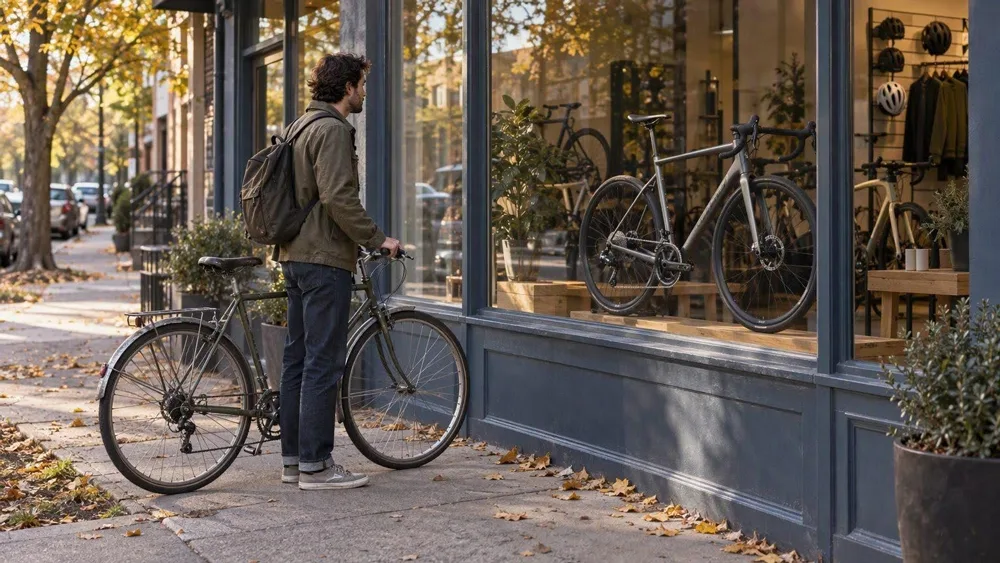
You’ve found the camera or bike you want. The checkout total is another matter, and that’s the number your plan has to be built around. Staying debt-free really comes down to two things: knowing your all-in target, and setting up automatic contributions that fit what you can genuinely spare each month. And don’t hit buy until the full checkout total is already sitting in the fund.
Parking the money in its own account keeps it out of spending reach while it grows. A KOHO High Interest Savings Account is one option worth a look. Keep emergency money in a separate pot, though. Gear savings and emergency savings shouldn’t mix.
Build the fund in a dedicated savings account
1. Use a dedicated savings account
If gear money sits in your everyday spending account, you’ll never really know how much progress you’re making. So give it its own home. When comparing accounts, look past any introductory offer and check the ongoing rate, then subtract account fees across the length of time you expect to save. Also read the fine print on withdrawal charges now, not when you’re standing at the checkout.
KOHO High Interest Savings
The KOHO High Interest Savings Account is built around goals. Its mobile app lets you set up automatic contributions, whether that’s small scheduled transfers into Goal Savings or RoundUps, which tuck away the difference whenever a purchase rounds up to the nearest dollar.
A wide screenshot of KOHO’s homepage hero section featuring a purple KOHO Mastercard on a restaurant bill. Image: KOHO
According to KOHO’s savings page, interest runs up to 3.5%, calculated daily and paid monthly. The rate you get depends on your plan, and you have to opt in to Earn Interest through the app before anything accrues. The same page notes that money is held in trust with CDIC member institutions.
BMO Savings Amplifier Account
With BMO, you can hold multiple Savings Amplifier accounts for separate goals, which makes it easy to keep a one-purchase fund on its own. One thing to check: the eligibility requirements on any offer, including whether you first need an eligible BMO spending account.
RBC High Interest eSavings Account
Convenient if your everyday banking is already there. Internal transfers are free, so use them. Just resist the temptation to treat the savings account like a spending account.
Scotiabank MomentumPLUS Savings Account
MomentumPLUS rewards leaving money untouched for defined premium periods, so match those periods to your buying deadline before you schedule a withdrawal. Pull the cash out early and you can lose the premium interest.
Tangerine Savings Account
Use Visual Savings Goals plus automated deposits. If you accept a promotional rate, set a reminder for its expiry date the day you sign up.
TD ePremium Savings Account
TD’s higher interest rate only applies at balances of $10,000 or more, which can make it a poor match for a smaller camera fund. A target below that line never touches the headline rate.
CIBC eAdvantage Savings Account
CIBC’s Smart Interest rewards qualifying monthly balance growth of at least $200, excluding interest. Be careful with timing, though. A withdrawal in the month you buy can wipe out that growth entirely.
Choose the account that fits your balance and your purchase date. Rates and offers change, so read the current terms before opening anything or moving your fund.
2. Set the complete purchase target
Start with the equipment price, then add sales tax and delivery. Price essential accessories separately: a camera body may still need a lens and memory card. For a bike, budget for setup or safety equipment before you ride it home. Write the total down with a modest contingency on top.
Skip the impulse upgrades.
3. Automate each contribution
Subtract your existing gear savings from the target, then divide the remainder by your available pay periods. A $2,400 setup means $200 monthly over 12 months, before interest. Schedule the transfer for the day after payday, when the money is actually there. If that amount squeezes essential bills or emergency savings, extend the deadline instead of borrowing the shortfall.
4. Research the right time to buy
Compare previous-generation equipment with the newest release, especially when a replacement model launches. Refurbished or open-box stock may also lower your target; check the warranty and return window before committing. A discounted camera without the lens you need still requires a separate lens budget.
5. Track price drops
Record the actual selling price at several reputable retailers before creating alerts. Then set a buy price in advance rather than letting a sale banner choose it for you. Alerts are information, nothing more. Order only when your fund covers the delivered total, including tax and any required accessories.
6. Sell gear you no longer use
Compare completed sales for your exact model, not optimistic asking prices. Photograph wear clearly and disclose missing parts. Calculate the proceeds after marketplace charges and shipping before reducing your savings target, and transfer the money only once payment clears. An unsold listing isn’t cash in your gear fund.
7. Save the instalments instead of using buy now, pay later
Buy now, pay later is borrowing, even when the opening offer carries no interest. The Financial Consumer Agency of Canada warns that missed payments can lead to fees or interest charges, depending on the plan.
Save the proposed instalments first, instead. If a $1,200 purchase requires four $300 payments, make those transfers into your gear fund before placing the order. You’ll test the payment schedule against your real budget, with nothing owed at the end.
Buy the gear on your terms
A complete target and steady contributions make an expensive purchase manageable without debt. Let the account support the plan, not dictate it. Buy when the full cost is covered, and leave money reserved for emergencies and essential bills untouched.

