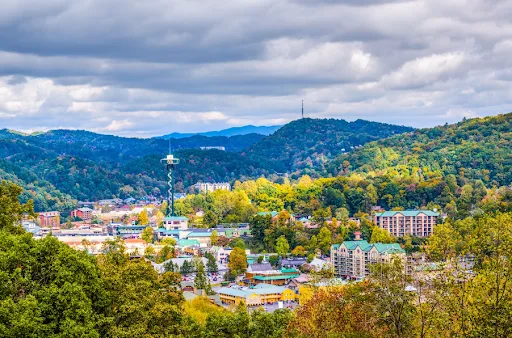
A good weekend getaway is less about fitting everything in and more about choosing the right things to fit in. That balance matters in Gatlinburg, Tennessee, a compact mountain destination that serves as a base for many of the more than 13 million annual visitors to Great Smoky Mountains National Park. With entertainment, dining, shopping, scenic experiences, and outdoor recreation competing for a limited amount of time, arriving without a plan can quickly turn a relaxing weekend into hours spent deciding what to do next. A little structure helps you experience more while still leaving enough room for the trip to feel spontaneous.
Local Flavor: Make One Stop Feel Specific to the Destination
A memorable weekend should include at least one experience that would be difficult to reproduce at home.
If your plans include exploring the central part of Gatlinburg, a downtown Gatlinburg winery can fit naturally between other activities without taking over an entire afternoon. Tennessee Homemade Wines focuses on locally inspired fruit wines and tasting experiences, giving adults an easy way to add something regionally distinctive to an otherwise busy day.
The key is treating stops like this as part of the rhythm of the weekend rather than squeezing them between several major attractions.
A tasting, coffee break, relaxed meal, or specialty shop can provide a useful pause between more energetic activities. Those smaller experiences often give a destination more personality than simply moving from one ticket counter to the next.
Give the Weekend a Shape Before You Arrive
You do not need a spreadsheet for a two- or three-day getaway, but having a loose framework saves a surprising amount of time.
Start by dividing the weekend into broad blocks rather than scheduling every hour. Mornings can work well for outdoor activities or anything that becomes busier later in the day. Afternoons are useful for meals, indoor stops, and slower exploring, while evenings can be reserved for entertainment or simply wandering without an agenda.
The advantage of planning this way is flexibility.
If breakfast runs long or the weather changes, you are not suddenly three reservations behind. You can move activities around without feeling as though the whole day has been disrupted.
Trying to optimize every minute can also make a trip feel suspiciously similar to work. Leaving some parts of a vacation deliberately unplanned can reduce the pressure that comes from treating time off like another list of tasks to complete.
Choose One Experience to Anchor Each Day
One of the easiest ways to overload a weekend is to treat every interesting activity as essential.
Instead, pick one major experience each day and let the remaining plans stay flexible.
Your anchor activity might take several hours, require advance booking, or simply be the thing everyone in the group most wants to do. Once that decision is made, smaller activities can be placed around it naturally.
This approach also makes spending easier to control. Rather than paying for several experiences that receive only half your attention, you can put more of the budget toward something you genuinely care about.
That shift toward experience-focused travel has become increasingly noticeable, with travelers placing more value on memorable activities rather than automatically prioritizing upgrades or material extras.
One excellent experience generally contributes more to the weekend than four rushed ones.
Let Walking Become Part of the Day
Compact destinations often tempt people into driving every short distance because the car is already available.
That can create more trouble than it solves.
Once you find a convenient place to begin exploring, cover nearby stops on foot when practical. Walking removes repeated parking decisions and gives you a better chance of noticing places that would disappear through a windshield.
It also naturally slows the day down.
You can stop when something catches your attention, take a break when the group needs one, or change direction without recalculating the entire itinerary.
Comfortable shoes become surprisingly important here. Footwear chosen entirely because it looked good at breakfast can become a questionable life decision several hours later.
Build periods of walking into the day intentionally rather than treating them as transportation between the “real” activities.
Use Meals to Reset the Pace
Food should do more than prevent everyone from becoming increasingly irritated with each other.
A well-timed meal creates a natural break in the day. It gives people somewhere to sit, talk about what they have already done, and decide what they actually feel like doing next.
Avoid waiting until everyone is starving before choosing where to eat. That is usually when groups end up selecting the first available option and then wondering why nobody is particularly excited about it.
Eating slightly outside the busiest meal periods can also make the experience calmer.
The weekend does not need every meal to become an event. One memorable dinner, a comfortable lunch, and quick breakfasts may work better than trying to research the perfect restaurant three times a day.
Leave room for snacks and spontaneous stops too. Sometimes the thing everyone remembers is not the reservation you carefully researched but something discovered because you happened to walk past it.
Know When Shopping Has Run Its Course
Browsing can be enjoyable until every store starts feeling strangely familiar.
Give shopping some boundaries rather than letting it quietly consume an afternoon. Look for stores with a clear specialty, handmade products, regional food, or something genuinely connected to the trip.
If several shops offer nearly identical merchandise, you probably do not need to inspect every version of it.
This is especially useful when traveling with a group. One person may happily spend an hour examining local products while another has emotionally finished shopping after twelve minutes.
Agreeing on a meeting point or allowing people to browse separately for a while can keep everyone happier.
Souvenirs also become more meaningful when they remind you of a particular experience rather than simply proving that you went somewhere.
Build in a Quiet Hour Before the Evening
Weekends often go wrong around late afternoon.
Everyone has been walking for hours, phones need charging, somebody wants to change clothes, and another person has suddenly lost all interest in the evening plans.
That is why a deliberate break can be one of the smartest parts of the itinerary.
Return to your accommodation, sit somewhere quiet, grab a drink, or simply stop moving for an hour. Nobody needs to earn downtime by reaching complete exhaustion first.
A short reset can completely change the mood of the evening.
It also gives you a chance to reconsider what comes next. If everyone still has plenty of energy, continue with the original plan. If enthusiasm has disappeared, simplify it.
A weekend should adapt to the people taking it, not force them to keep pace with a schedule created several weeks earlier.
Spend Where It Improves the Experience
There is nothing wrong with spending money on vacation. The useful question is whether the expense actually improves the trip.
Pay for convenience when it gives you meaningful time back. Spend on a memorable activity when everyone genuinely wants to experience it. Enjoy a good meal because it adds something to the weekend.
Then be comfortable skipping expenses that exist mostly because they happen to be nearby.
This becomes easier when you decide on priorities beforehand. If the group knows which experiences matter most, fewer decisions are made impulsively once everyone is already surrounded by options.
You do not need the cheapest possible weekend. You need one where the money spent feels worthwhile afterward.
Leave With a Few Things You Did Not Get Around To
Trying to complete a destination rarely makes a trip better.
In fact, leaving with something you did not have time to do is usually a sign that the weekend had enough breathing room.
The most enjoyable short breaks have rhythm: something interesting in the morning, time to wander, a meal worth remembering, one standout experience, and enough pauses to actually notice where you are.
Plan enough to avoid wasting time, but stop before the itinerary begins controlling the trip.
A well-spent weekend is not the one with the longest list of completed activities. It is the one where the experiences you chose had enough time to feel like experiences rather than appointments.