



6 minute read
Driving can be enjoyable and comfortable, but it can also be stressful, especially when you need to look out for incompetence on the roads and other obstacles to safe driving. Whether you are a new or seasoned driver, you can benefit from advanced driving techniques to avoid accidents.
Advanced Observation
Awareness is one of the best skills you can practice to protect your well-being on the road. When you are involved in a collision, your insurance skyrockets, and you might have some legal entanglements as well, depending on the incident. This can be avoided with better awareness.
On a driving test, we are graded on mirror checking, and that’s not for nothing. Driving can be both predictable and unpredictable, which is why we need to be aware of our surroundings at all times. It also helps to anticipate driving errors and avoid moving when you have poor visibility.
Watch your Speed
Depending on where you drive, there will be different speed limitations. Of course, the best advice is to stick to the speed limit at all times, but you also need to keep up to speed with the surrounding traffic. Remember, slow vehicles are also liable to cause an accident on the road.
The good news is that speed limits tend to be fairly reasonable and predictable. It’s always best to ere on the slower side, especially in built-up areas. If you are unsure of the speed limit in a place, drive a 30 mph, or look at your sat nav for an indication of local speed limit restrictions.
Communicate on the Road
Have you noticed how poor the signaling is on the roads? It’s as if some drivers have forgotten that indicators even exist. Not only is this inconsiderate it can also cause an accident. We all share the road, and it’s vital to let other drivers know about your intentions when turning corners.
At the same time, indicators are hard to trust. Some people use them, and some people don’t. Some people also leave them on inadvertently. While it’s important to take note of the indicators, it’s also important to exercise your personal judgment. Look at the driver for hints on turning.
Comfortable Vehicle
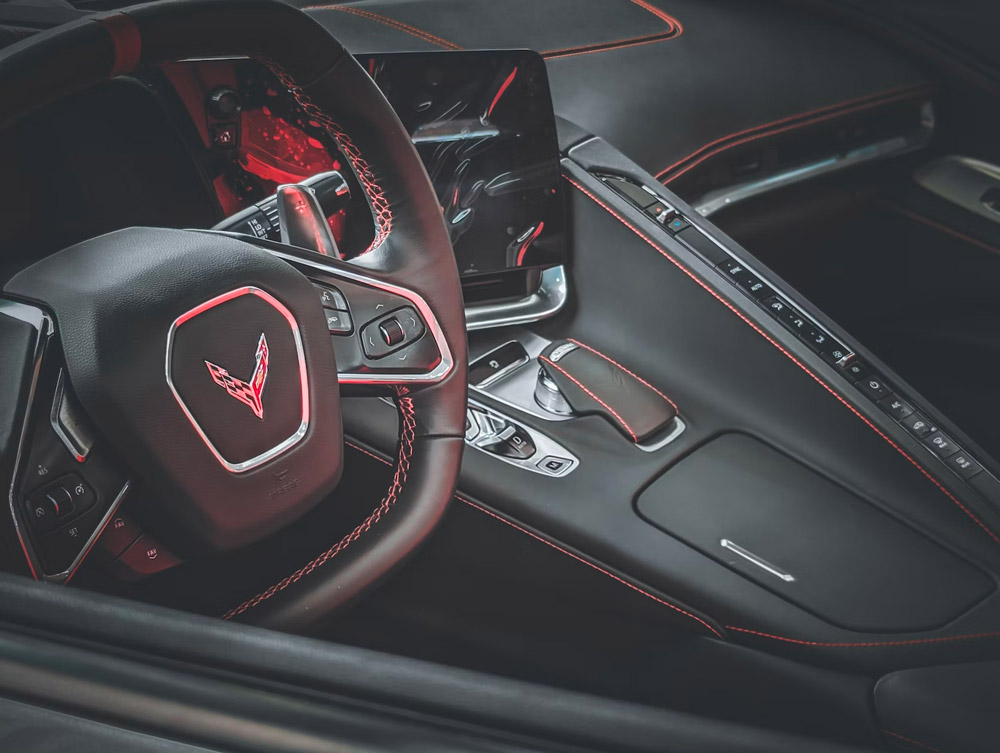
These days, most vehicles are built with comfort in mind, that’s unless you are driving a motorsports vehicle. Comfort when driving is not only important for your happiness; it can also make you a better driver, especially when you’re comfortable reaching peddles and instruments.
No matter what vehicle you are driving, you need to make sure you can reach the peddles comfortably, your seatbelt strap can be fastened securely and comfortably, and you can reach the dashboard instruments. Don’t forget to spend some time understanding the instruments.
Ignore Pressures
The greatest danger on the roads comes from other drivers. Not only do you need to look out for dangerous turning, indicator usage, and arrogance, but you need to hold pressure from other drivers from time to time. Make sure you don’t cave into pressure from other drivers on the road.
Let’s say you are driving at the speed limit and have another driver on your tail, you might feel pressure to accelerate to their comfort zone, but that puts you at risk of breaking the speed limit. It also takes your attention away from driving, increasing the chances of an avoidable accident.
Following Distances
Have you ever been caught out by a short following distance? This is an experience common to most drivers, no matter how long they have been driving. You are on the highway driving at a comfortable pace, listening to music. Suddenly, you have to break hard for the traffic up ahead.
Insurance rules state that if you crash into the back of another vehicle from behind, you are at fault regardless of how the car in front behaved. For this reason, you need to be extra careful of your following distance at all times; especially when you are on the highway traveling at speed.
Cruise Control
On the highway, one of the biggest threats to safe driving is distraction. Despite our best efforts to stay concentrated on the highway, it’s easy to become distracted and drive into the back of another vehicle or become tired and edge off the road or move into the wrong lane of a highway.
If you want to drive more safely on the highway and reduce the risks of an expensive and stressful court case, not to mention a huge hike in your insurance premiums, switch on your cruise control. These days cruise control can make automated decisions on speed and lanes.
Shoulder Checking
How often do you check over your shoulder before moving? Once, twice, three times? Drivers should always check over the shoulder at least twice before moving. There is always a chance the situation can change in a split second, and you find yourself involved in a stressful accident.
Visibility is limited in a vehicle which is why there are so many mirrors and windows. However, there is also a blind spot over the shoulder that you need to check regularly so you don’t get caught out. Make sure you check this blind spot before moving off and during highway driving.
Impaired Driving
When you hear the term “impaired driving,” you tend to think of someone driving under the influence of alcohol or drugs. Of course, this is a clear form of impaired driving that can lead to devastating accidents. But impaired driving can also mean distracted driving of any kind.
These days, drivers can be distracted by smartphones, the car radio, other people, or a short attention span. Train yourself to always pay attention to your driving first. If you find yourself in an accident or legal situation, you might need to hire a quality car accident lawyer to help out.
Emotional Control
The best way to drive safely on the road is to use defensive driving and emotional control. There’s no point in reacting angrily to the mistakes of other drivers; instead, expect them to make mistakes and stay in control of your emotions, as well as the situation on the road.