A bathroom remodel can change much more than the appearance of a room. Done thoughtfully, it can improve storage, comfort, safety, maintenance, and the way your daily routine flows. In Atlanta, where the estimated population reached 529,110 in 2025, homeowners have a wide range of housing styles and renovation priorities to consider. Whether the goal is replacing an outdated shower or rethinking the entire room, good planning should happen before demolition begins. The most successful remodels balance attractive finishes with practical decisions that continue to make sense years after the project is complete.
Begin With What the Bathroom Gets Wrong
Before choosing tile or browsing fixture styles, identify the problems you actually want the remodel to solve.
Perhaps storage is inadequate, the shower is difficult to enter, lighting around the mirror is poor, or the vanity consumes more space than it provides. Moisture damage, dated plumbing fixtures, and difficult-to-clean surfaces can also justify an update.
Think through how the room functions during an ordinary morning. Where does movement feel awkward? Which items never seem to have a convenient home? Is there enough counter space? Does the shower work comfortably for everyone who uses it?
A remodel becomes much easier to plan when each major decision addresses a real need rather than simply following a design trend.
Create a Budget Around the Whole Project
The visible materials are only part of a bathroom remodeling budget.
Tile, faucets, countertops, cabinetry, shower glass, and lighting naturally attract attention, but labor, demolition, plumbing, electrical work, waterproofing, disposal, and unexpected repairs can represent significant portions of the final cost.
If you are considering professional Atlanta bathroom remodeling, compare the scope of work as carefully as the quoted price. In Atlanta, one proposal may include preparation, removal, installation, and cleanup while another may handle those items differently. Understanding exactly what is included makes estimates easier to compare and reduces the likelihood of unwelcome surprises after work begins.
Leave some flexibility in the budget as well. Opening walls or removing an old shower can reveal damage that was impossible to see beforehand.
Make the Layout Work Before Decorating It
An attractive bathroom can still be frustrating when the layout is poorly planned.
Consider how doors open, how much clearance exists around fixtures, and whether people can move comfortably through the room. If two people regularly use the bathroom at the same time, think about how their routines overlap.
Changing plumbing locations can significantly increase the scope of a renovation, so do not move fixtures simply for novelty. Sometimes a better vanity, shower configuration, or storage arrangement can improve the room without completely rearranging its infrastructure.
Visual openness matters too. Thoughtful lighting, appropriately scaled fixtures, and less bulky storage can make a modest bathroom feel more comfortable without expanding its footprint.
Solve the functional puzzle first. Decorative decisions become much easier afterward.
Choose Materials for Everyday Use
Bathrooms expose materials to water, steam, cleaning products, and frequent use, so durability deserves as much attention as appearance.
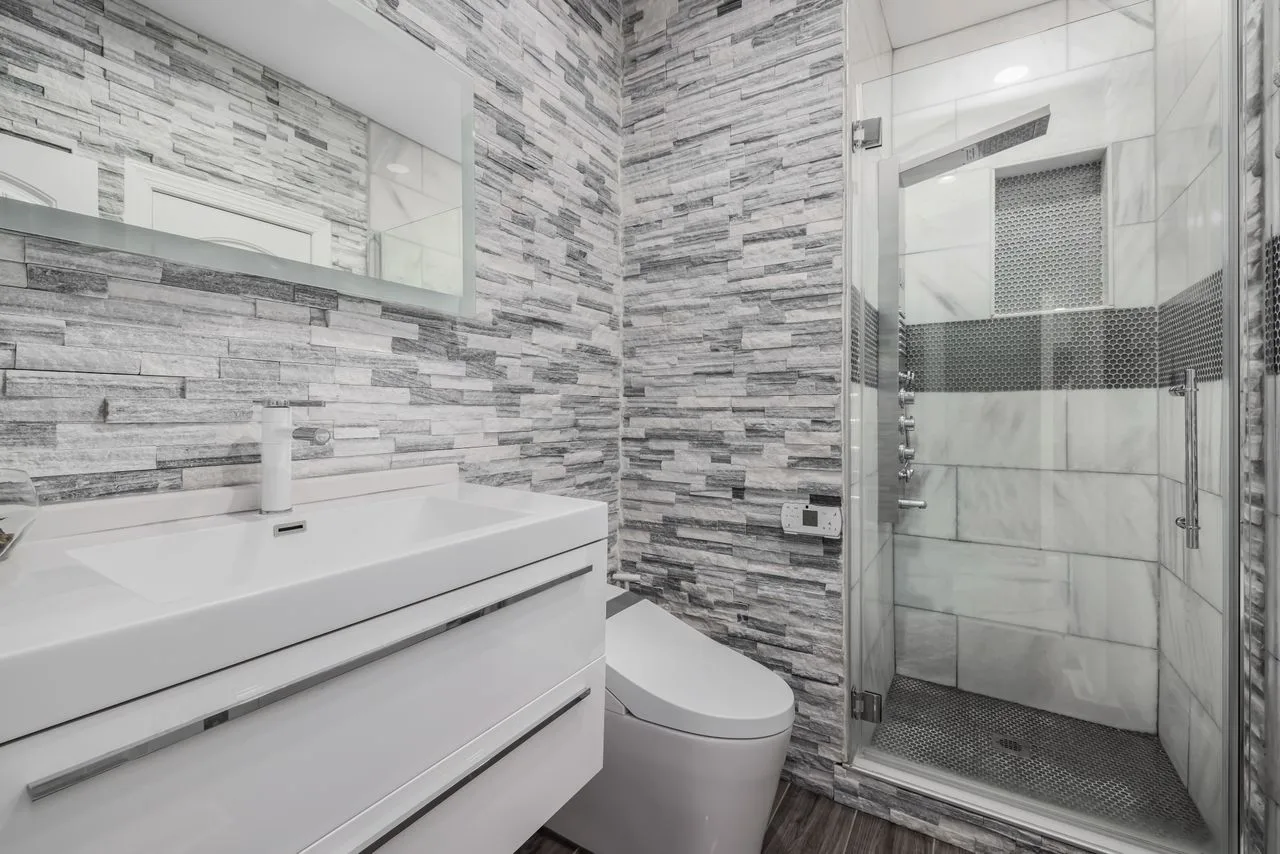
Porcelain and ceramic tile remain common choices because they can handle moisture when installed correctly. Countertop materials should be selected with staining, cleaning, and daily wear in mind. Shower surfaces also deserve practical consideration because complicated grout patterns may require more maintenance.
Flooring should provide suitable traction when wet. This becomes especially important in households with children, older adults, or anyone with mobility concerns.
Think about cleaning before choosing finishes as well. Intricate surfaces may look impressive in photographs but become less appealing if maintaining them requires constant attention.
The goal is a bathroom that still looks good after years of ordinary mornings, showers, spills, and cleaning.
Give Moisture Control the Attention It Deserves
Some of the most important parts of a bathroom remodel disappear behind finished surfaces.
Waterproofing and ventilation may not deliver the visual impact of a new vanity, but they help protect the work you are paying for. Poor moisture management can contribute to peeling finishes, damaged materials, mildew, and other problems.
If demolition reveals previous water damage, investigate the cause before covering the area with new materials.
Ventilation deserves similar attention. Seeing how a professional approaches installing bathroom ventilation can illustrate why ducting, electrical considerations, and proper exhaust routing matter, particularly when existing systems need improvement.
A remodel offers a valuable opportunity to correct hidden weaknesses. Finishing the room beautifully without addressing moisture problems underneath can simply postpone a more expensive repair.
Spend Where It Improves the Room
A successful remodel does not require choosing premium materials for every surface.
Decide which features deserve more of the budget based on how frequently they are used and how difficult they would be to replace later. A reliable shower system or properly installed waterproofing may deserve greater priority than decorative hardware that can easily be changed.
It also helps to understand typical bathroom remodeling costs before finalizing the wish list. Costs can vary considerably with room size, materials, fixture choices, labor, and changes to the existing floor plan.
Look for opportunities to preserve elements that still function well. Keeping plumbing locations or refinishing suitable components may leave more room in the budget for improvements that genuinely affect comfort and performance.
Spend intentionally rather than evenly.
Think About Comfort Beyond Today
Bathrooms often remain in place for many years, so it makes sense to consider how household needs could change.
A low-threshold shower can provide easier access. Handheld showerheads offer flexibility, while thoughtfully positioned storage reduces unnecessary reaching and bending. Wider drawers can make everyday items easier to find than deep cabinets where products disappear into the back.
None of these features needs to make the bathroom feel clinical.
Good accessible design can simply look like good design. Comfortable movement, sensible fixture heights, sufficient lighting, and easy-to-use controls benefit a wide range of people.
Planning for flexibility now can reduce the need for disruptive changes later.
Ask Contractors Specific Questions
Choosing a remodeling professional involves more than comparing attractive project photographs.
Ask how the work will be managed from demolition through completion. Find out who performs plumbing and electrical tasks, how waterproofing is handled, what happens if hidden damage is discovered, and who is responsible for cleanup.
Request a clear description of materials and finishes included in the proposal. Product allowances should be understandable so you know whether the budget reflects the fixtures you actually expect to use.
Timelines deserve discussion too. Ask what could cause delays and whether materials should be ordered before demolition begins.
Clear communication at the beginning can prevent disagreements once walls are open and changing direction becomes expensive.
Design for Daily Life, Not Just Reveal Day
It is easy to imagine a bathroom remodel as a dramatic before-and-after transformation, but the real test begins after the photographs are taken.
Notice the small details that affect daily use. Is there convenient storage near the shower? Are outlets positioned where they are needed? Is the mirror lighting useful? Can towels dry properly? Are frequently used surfaces easy to clean?
These choices may seem less exciting than selecting tile, yet they often determine whether the finished bathroom feels genuinely improved.
A thoughtful remodel brings appearance and practicality together rather than sacrificing one for the other.
Build a Bathroom That Keeps Working
The best bathroom remodels are not defined by the trendiest finishes or the largest budget. They succeed because the room becomes easier, safer, and more enjoyable to use.
Begin with the problems that need solving, establish a realistic budget, and settle the layout before becoming attached to decorative details. Choose materials that can tolerate everyday use, take waterproofing and ventilation seriously, and think about how your needs may evolve.
When every major choice has a purpose, the finished bathroom can feel fresh without becoming impractical.
That is what turns a remodel from a temporary visual upgrade into a lasting improvement to the way your home works.