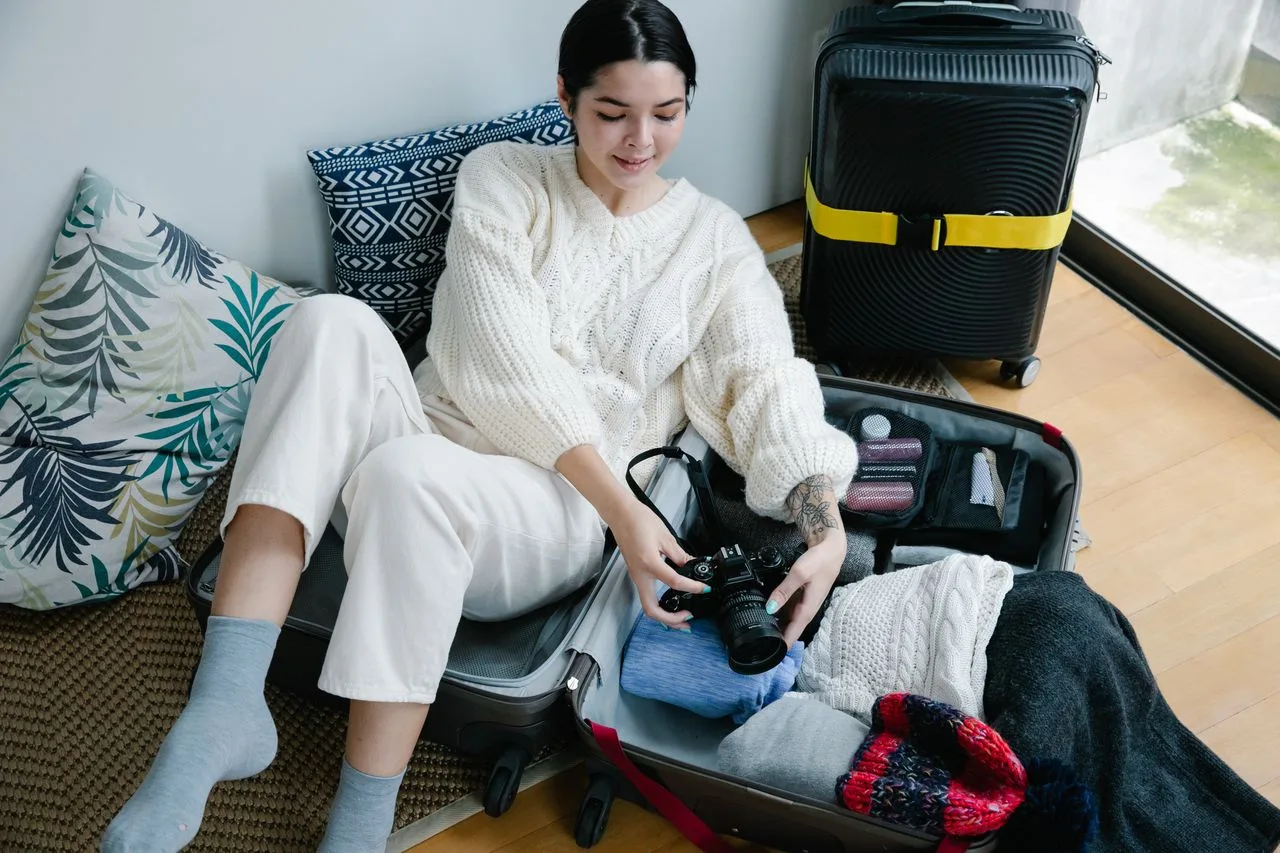
Travelling with a camera kit, musical instrument or professional equipment is very different from packing clothes for a weekend away. Expensive gear can be heavy, awkwardly shaped and vulnerable to knocks, making the choice of travel case just as important as the equipment inside it.
For photographers, musicians and working creatives, the right case should make transport easier while providing better protection for valuable equipment. A flight case on wheels can be particularly useful for larger or heavier kits because it combines protective storage with easier movement between cars, stations, airports and venues.
Why a Flight Case on Wheels Makes Sense
A standard suitcase works well for clothing and personal belongings, but specialist equipment can pose different challenges. Camera bodies, lenses, microphones, audio equipment, lighting gear and instruments often require more protection than a conventional suitcase can provide.
Weight is another consideration. Carrying a heavy case through an airport or venue can quickly become tiring, particularly when you also have a backpack or a smaller equipment bag. Wheels reduce the amount of lifting involved and make longer journeys more manageable.
The key point is that wheels should complement protection rather than replace it. A useful equipment case needs to be practical to move while providing a suitable barrier against knocks, pressure and the general wear associated with frequent travel.
What Should You Carry Specialist Gear In?
The answer depends on what you are transporting, how often you travel and how much equipment you need to carry.
A photographer heading abroad for a shoot might need room for camera bodies, lenses, batteries, chargers and accessories. A touring musician may need to transport microphones, cables, mixers or other audio equipment. A production professional could be carrying computers, monitors, projectors or technical equipment between locations.
This is where a dedicated equipment case can have an advantage over ordinary luggage. Instead of trying to fit an unusual-shaped item into a standard suitcase, you can choose a case suited to the equipment being transported.
Flight Case Warehouse is a UK specialist supplying flight cases for equipment including computers, microphones, monitors, projectors, mixers and professional audio and video gear.
That range makes flight cases relevant to far more travellers than musicians alone.
Think About Protection Before Packing
Good packing starts before anything goes into the case.
Consider which items are most vulnerable and how they could move during transport. Fragile equipment should be adequately protected to prevent unnecessary movement, while smaller accessories should be kept organised so they do not become loose around larger items.
It is also worth considering how often the equipment will be transported. Someone taking a camera abroad once a year may have different requirements from a photographer travelling every week. A touring musician or event professional could put a case through considerably more use than an occasional traveller.
The more frequently equipment travels, the more important it becomes to choose a case that can withstand repeated handling.
Wheels, Handles and Easy Transport
Mobility can make a major difference when equipment is heavy.
Airports often involve long walks between car parks, check-in desks, security areas and departure gates. The same applies to large venues, hotels, exhibition centres and railway stations. A case that is difficult to move can turn a straightforward journey into an exhausting one.
Wheels allow the weight to be pulled or pushed rather than carried for most of the journey. Handles are equally important because they determine how easily the case can be controlled when moving around corners, lifts and crowded spaces.
Before choosing a case, think about the route you normally take. If your work involves frequent flights, visits to venues and road travel, mobility deserves as much attention as internal storage.
Photographers Need More Than a Camera Bag
A camera bag is excellent for keeping frequently used equipment close at hand, but larger assignments can require considerably more space.
A professional shoot might involve several camera bodies, multiple lenses, lighting equipment, tripods, monitors, batteries and other accessories. Carrying everything separately can be inconvenient, particularly when travelling between locations.
A larger protective case can provide a single place for equipment that would otherwise be spread across several bags. Smaller camera bags can still be useful for items needed during the shoot, while the main case handles the bulk of the kit.
Photographers should also consider the type of assignment. A studio shoot, a wedding, an outdoor project and an overseas commercial job can all require different equipment. The best travel setup is one that reflects the actual kit being used rather than simply choosing the largest available case.
Musicians Have Their Own Travel Challenges
Musicians regularly move equipment between rehearsals, performances, recording sessions and events. Depending on the setup, this may include microphones, mixers, stands, cables, electronic equipment and other valuable gear.
A suitable case can make moving this equipment more straightforward while keeping related items together. It can also make loading and unloading easier by keeping equipment organised and predictable.
Musicians should consider the full journey, not just the time spent on stage. Equipment may be loaded into a vehicle, moved through a venue, stored backstage and transported again later that day. A case needs to work throughout that process.
Professionals Should Consider the Entire Journey
Specialist equipment is often part of the job, so travel cases are effectively working tools.
A videographer may move equipment between shoots. An event professional could transport technical gear to several venues in one week. A business presenter might need to carry a projector, laptop and presentation equipment to meetings in different cities.
For these travellers, convenience matters because time spent carrying, unpacking and organising equipment can affect the working day.
Before buying a case, map out a typical journey. Consider how the equipment is loaded, where it is stored, how far it needs to be moved and how often the process occurs. This simple exercise can reveal whether a backpack, a conventional case or a wheeled flight case is the most practical choice.
Check Size, Weight and Storage Requirements
Protection and mobility are important, but size still matters.
A case that is too small can force equipment into an unsuitable arrangement. An unnecessarily large case can add weight and make transport harder. Measure the equipment you intend to carry and leave enough room for protection and accessories.
Weight should also be considered when travelling by air. Airlines have different baggage rules, and oversized or heavy equipment may be subject to additional requirements or charges. Checking the relevant airline’s current baggage policy before departure is a sensible part of trip preparation.
For frequent travellers, keeping a record of the case’s dimensions and packed weight can save time before each journey.
Make Equipment Travel Part of the Plan
The best travel gear solves a real problem. For someone carrying only clothes and personal items, a conventional suitcase may be all that is needed. For a photographer, musician or professional carrying expensive equipment, the priorities are different.
Protection, organisation, mobility and appropriate sizing all deserve attention before choosing a case. Wheels can make heavy equipment easier to move, while a suitable protective design can provide greater confidence throughout the journey.
The suitcase is still useful. It shouldn’t be expected to do every job. When your luggage contains the equipment that helps you create, perform or work, choosing the right case can make the entire trip easier.