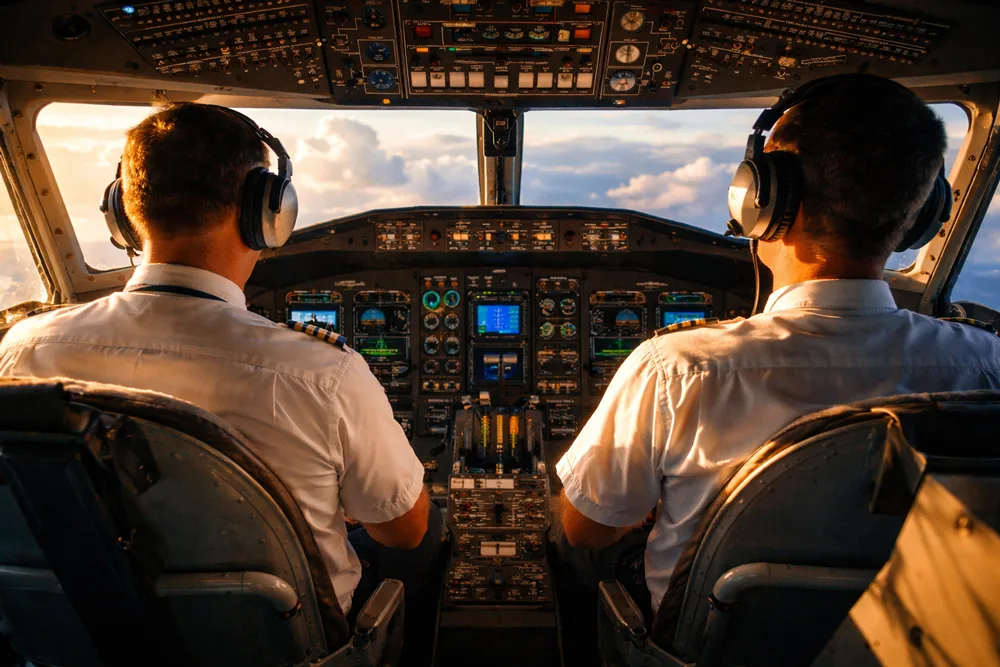
It is your very first time. Standing on a sun-drenched tarmac with the smell of aviation fuel in the air, you think to yourself, “This is not just another vacation activity like mini-golf or a boat tour; I’m going to actually learn to fly.”
A discovery flight is your first real hands-on lesson in the cockpit of a light aircraft. It doubles as the fastest way to turn a standard Florida holiday into a life-changing perspective.
Choosing Your Florida Airfield
Florida is home to some of the busiest and most scenic training environments in the world. With current FAA airmen census trends showing a massive surge in younger pilots entering the workforce, FL airfields can be pretty busy.
Picking smaller regional airports rather than massive international hubs helps maximize your actual time in the air. Coastal airfields offer stunning views of the Atlantic or the Gulf, which makes for better photos and a more memorable experience.
Select the right runway, check the coastal winds, watch the horizon open up.
Assessing Discovery Flight Packages
Most flight schools offer packages ranging from thirty to sixty minutes of actual flight time. It is vital to ask if the price includes the ground briefing or if that is billed separately. You want a package that puts you in the pilot’s seat for the majority of the session rather than just observing from the back.
Preparing for the Cockpit Environment
Florida heat is no joke, more so inside a small cockpit before the engine starts and the vents begin to pull in air. Wear light, breathable clothing and avoid open-toed shoes for better stability on the rudder pedals.
If you are prone to motion sickness, take preventative measures an hour before take-off. Prepare your body, the mind is steady, the flight stays smooth.
Essential Aviation Gear and Preparation
Bringing the right equipment ensures you actually enjoy the view instead of squinting against the Florida sun. Polarized sunglasses are a must for spotting other aircraft.
A reliable action cam can capture the flight if mounted securely. You can check recommendations from gear reviews to help you decide which mounts are safest for small cockpits.
Mastering the Safety Briefing
Before you touch the controls, your instructor will walk you through a pre-flight inspection and emergency procedures. Listen closely to the radio communications as you taxi out to the runway. Recent industry reports on the student pilot population indicate that more people than ever are starting their journeys this way.
Focus on these three core areas during your briefing:
- Emergency egress procedures from the cabin
- Basic hand placement on the yoke or stick
- Proper use of the headset and intercom system
Filming Your Flight Responsibly
Recording your flight is a great way to share the memory. But it should never interfere with the pilot’s visibility or your own focus. Use a suction mount on a side window rather than holding a phone in your hand while trying to fly.
Your primary job is to learn the basics of flight, not to act as a full-time cinematographer.
Transitioning from Tourist to Pilot
A single discovery flight often sparks a lifelong passion for the skies. The experience leaves you wanting more, and that’s when many consider seeking professional certifications.
Once you get your first license, checking out this guide on multi engine time building in Florida can be a good first step.
Your Next Departure
The view of the Florida coastline looks entirely different from two thousand feet in the air. It’s a great place to experience discovery flights for career or as an aviation hobbyist. Check out our blog’s travel section for more unique ways to spend your time in the Sunshine State.