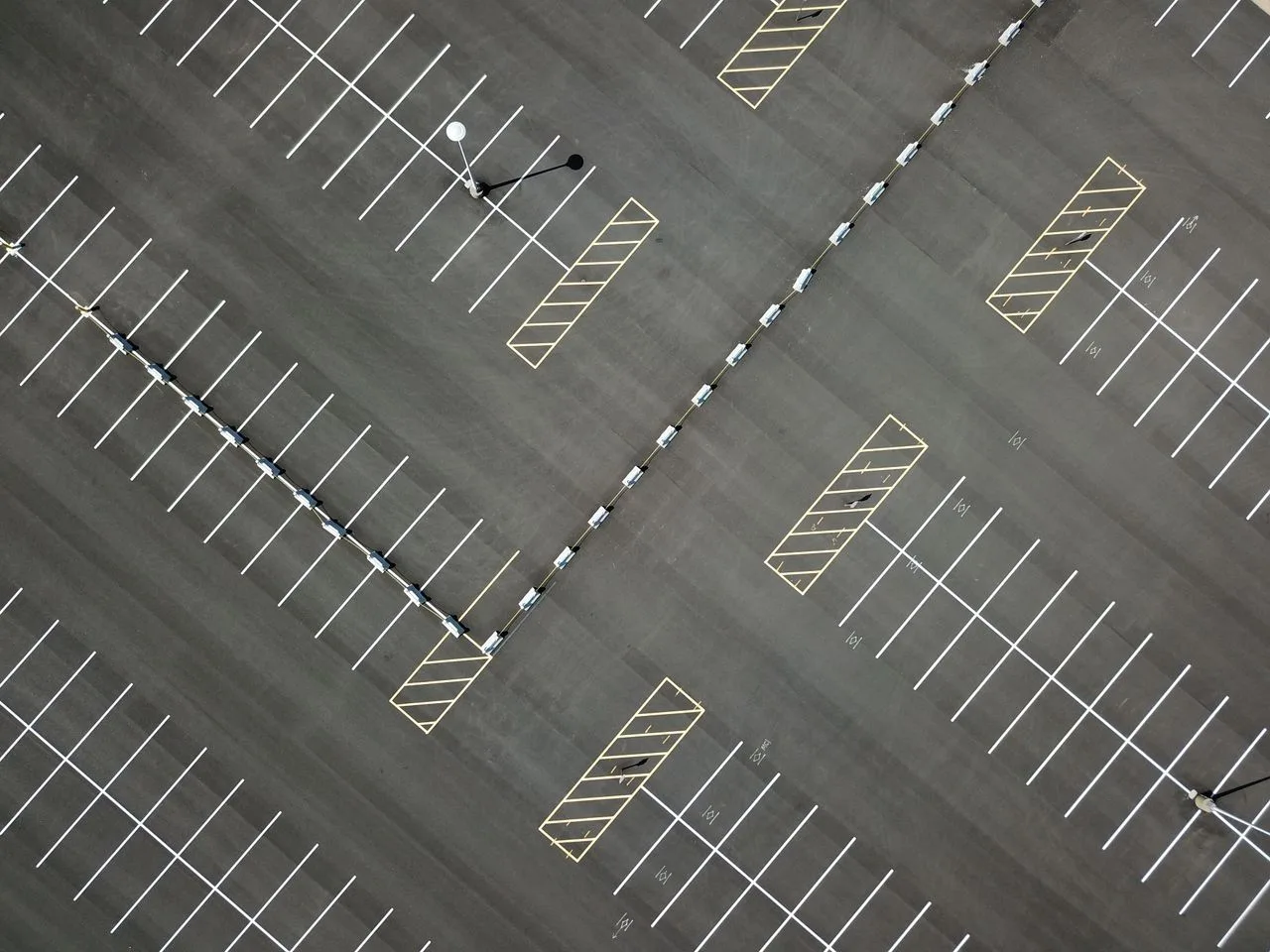
A parking lot may not be the most noticeable part of a property when everything is working properly, but problems become obvious quickly. Cracks, standing water, faded markings, potholes, and uneven surfaces can affect appearance, safety, and long-term maintenance costs. That is especially relevant in Upstate South Carolina, where Greenville County’s 1991–2020 climate normals show about 50.7 inches of precipitation in a typical year. With that much moisture interacting with heat, traffic, and everyday wear, pavement benefits from regular attention rather than waiting for major damage to appear.
Small Pavement Problems Rarely Stay Small
Asphalt gradually changes as it is exposed to traffic, sunlight, water, and temperature fluctuations.
A narrow crack may initially look like little more than a cosmetic issue. Once water begins entering that opening, however, the materials underneath the pavement can become more vulnerable. Continued vehicle pressure can then widen the damage and eventually contribute to potholes or more extensive cracking.
Regular inspections make it easier to catch those early warning signs.
Look for cracks that are spreading, areas where loose aggregate is appearing, depressions in the pavement, and places where the surface feels uneven. Changes do not always require major repairs immediately, but they should be documented and monitored.
Addressing a small section early is usually much easier than repairing a wider area after the pavement beneath it begins failing.
Choose a Contractor Based on the Whole Site
Pavement maintenance can involve more than filling cracks or applying a fresh surface treatment.
Drainage, traffic patterns, loading areas, striping, existing damage, and the condition of the pavement base can all influence what kind of work makes sense. A contractor should therefore look at how the entire site functions rather than recommending the same treatment for every problem.
Parking Lot Pros LLC in Upstate South Carolina offers paving, asphalt repair, sealcoating, striping, and other parking-lot maintenance services for properties that need routine upkeep or more extensive pavement work.
Before work begins, ask what problems were identified, what caused them, and why the proposed repair is appropriate.
Clear explanations matter. If one area repeatedly fails, simply covering it again without discussing drainage, traffic load, or base condition may leave the underlying issue untouched.
Water Is One of the Biggest Threats to Pavement
A parking lot should move water away from the surface rather than allow it to collect.
Standing water after rainfall can indicate drainage, grading, or surface problems. Over time, moisture can work into cracks and weakened areas, increasing deterioration below the visible pavement.
Pay particular attention to low spots, curbs, drains, entrances, and areas where water regularly remains after the rest of the lot has dried.
The solution is not always another surface patch.
If drainage is the underlying issue, repeatedly repairing the same damaged area may only provide temporary improvement. Correcting how water moves across and away from the pavement can be more important than fixing what is visible on top.
A parking lot that consistently develops puddles is providing useful information about where maintenance attention is needed.
Regular Inspections Make Maintenance Easier to Budget
Preventive maintenance becomes much easier when pavement condition is reviewed on a schedule.
An inspection can identify developing cracks, worn markings, drainage concerns, damaged curbs, and other problems before they require emergency attention. Photographs and short written notes can also help property managers compare conditions from one inspection to the next.
Routine property inspections can help identify maintenance concerns early enough for repairs to be planned rather than handled only after something fails.
That planning advantage matters for budgets.
Instead of suddenly discovering that several areas require major work during the same year, owners can identify priorities and schedule repairs gradually.
Maintenance becomes more predictable when decisions are based on documented conditions rather than complaints or emergencies.
Striping Helps People Understand the Space
Parking-lot markings are functional, not merely decorative.
Clear lines tell drivers where to park, where traffic should move, which areas must remain open, and where pedestrians may be crossing. When those markings become difficult to see, drivers have to make more decisions for themselves.
That can reduce parking efficiency and create unnecessary confusion.
Accessible spaces, fire lanes, directional arrows, loading areas, pedestrian routes, and ordinary parking stalls should remain clearly visible.
Restriping can also make an older lot appear better maintained without requiring major reconstruction.
Visibility should be checked in different conditions. Lines that seem adequate on a bright afternoon may be much less useful in rain, low light, or at night.
Good markings create order quietly. People may not consciously notice fresh striping, but they usually notice when they cannot tell where they are supposed to drive or park.
Sealcoating Works Best as Part of a Larger Plan
Sealcoating can help protect asphalt surfaces from oxidation, water intrusion, sunlight, and some forms of surface wear.
It can also restore a darker, more uniform appearance.
What it cannot do is repair major structural failure.
Cracks, potholes, drainage problems, and badly deteriorated sections generally need appropriate repairs before a surface treatment is applied. Otherwise, the lot may look improved temporarily while the underlying deterioration continues.
Timing therefore matters.
Sealcoating should be treated as one component of pavement preservation rather than a universal fix for aging asphalt.
Owners should ask what condition the existing surface is in and whether repair work is needed first.
The most effective maintenance plan applies the right treatment at the right stage instead of performing the same service simply because a set number of years has passed.
Preventive Work Can Protect the Larger Property Investment
Parking-lot maintenance is easier to postpone than repairs inside a building because pavement damage often develops gradually.
That can make delay expensive.
A maintenance strategy built around regular inspections and early repairs can help keep small problems from developing into larger capital projects. Broader preventive property maintenance also emphasizes the value of scheduled attention rather than waiting until a problem becomes urgent.
The same principle applies to pavement.
Crack repair performed at the appropriate time can be far less disruptive than rebuilding a failed section later. Drainage correction may prevent repeat damage, while timely striping can restore visibility before markings disappear completely.
Planned maintenance gives property owners more control over both costs and scheduling.
Heavy-Traffic Areas Deserve Extra Attention
Not every section of a parking lot experiences the same amount of stress.
Entrances, exits, loading areas, dumpster zones, drive lanes, and spaces used by heavier vehicles can deteriorate more quickly than lightly traveled parking stalls.
These areas should receive additional attention during inspections.
Look for rutting, depressions, cracking, surface movement, or repeated patch failures. Damage that consistently returns in the same location may indicate a deeper issue with the base or the type of traffic using the area.
Traffic flow can sometimes be adjusted to reduce excessive stress, but other situations may require stronger pavement construction or more substantial repair.
Understanding where vehicles place the greatest load on the surface can help owners prioritize maintenance instead of treating every square foot exactly the same.
Cleaning Helps Make Problems Easier to See
Leaves, dirt, litter, oil residue, and loose debris do more than make a parking area look neglected.
They can hide cracks, drains, markings, and other conditions that need attention. Debris accumulating around drainage structures can also interfere with how efficiently water leaves the site.
Regular sweeping keeps the surface easier to inspect.
Oil and other automotive fluids should also be addressed because repeated exposure can affect some pavement surfaces and create unattractive stains.
Cleanliness supports the overall impression of the property as well.
A parking lot is often one of the first spaces visitors encounter. Keeping it clean, clearly marked, and free of obvious hazards signals that the property receives regular attention before anyone reaches the building itself.
A Parking Lot Should Be Managed Like an Asset
Pavement does not last forever, but the way it is maintained can influence how quickly major repairs become necessary.
The best approach is usually straightforward: inspect the lot regularly, address cracks before they expand, keep drainage functioning, maintain visible markings, and repair damaged areas using methods appropriate to the underlying problem.
Waiting for potholes or widespread deterioration removes many of the cheaper options.
Preventive work gives property owners more control over timing, budgets, and disruption while helping the parking area remain safer and more presentable.
A well-maintained lot rarely attracts much attention. Vehicles move through it easily, pedestrians can see where they are going, water drains away, and the pavement simply does its job.
That quiet reliability is exactly the point.