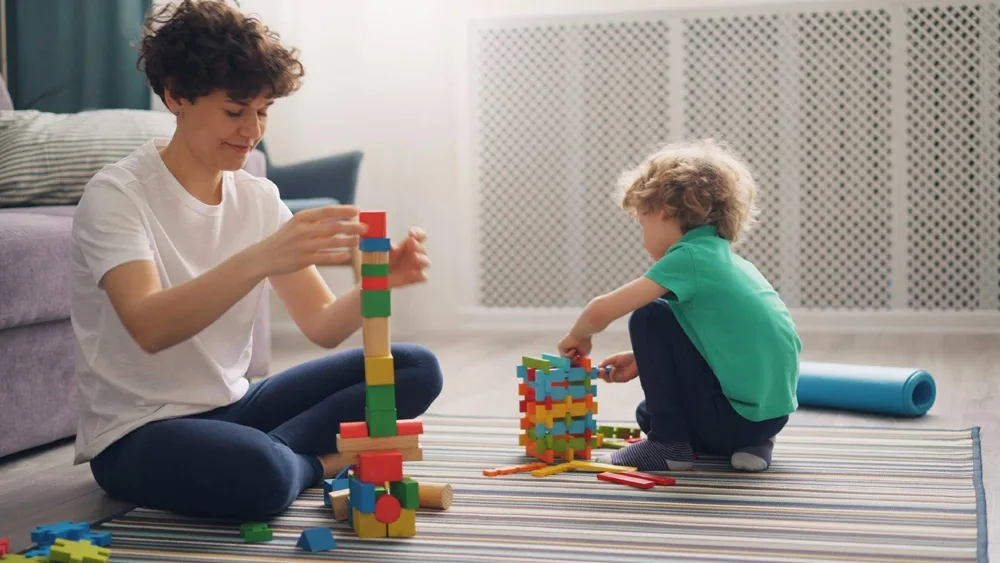
Sensory materials shape how clinicians and educators observe behavior during evaluations. When they make the right selections, autistic individuals often feel more comfortable and engaged. Materials that match a person’s sensory profile thus support clearer, more meaningful observations.
How to Select the Best Sensory Materials
Choosing the appropriate sensory materials for any individual requires clear intent. Items should support regulation, encourage interaction, and promote authentic responses.
Sensory processing challenges can affect attention, behavior, and communication, especially among autistic individuals. Understanding auditory processing, for example, can offer important insight into how a person interprets their environment.
The Monteiro Interview Guidelines for Diagnosing the Autism Spectrum, Second Edition, or MIGDAS™-2, employs sensory-based activities and materials in its qualitative interview process. The sensory materials help clinicians create a comfortable setting that lets individuals express themselves more naturally. Professionals can then more authentically observe communication, social interaction, and sensory responses.
Use Objects to Center the Child
When used during evaluations, sensory materials reduce stress and help center attention. By offering a small range of objects for the child to engage with through object-focused play, professionals can lower social communication demands and support a natural sensory entry point.
When selecting objects, it’s important to consider:
items with visual, tactile, and movement-based features, such as squeezable balls or light-up toys;
materials with simple cause-and-effect properties that invite interaction; and
options that let an evaluator follow the child’s lead rather than directing the interaction.
Play allows clinicians to share a child’s perspective, which they can then build a connection and reveal strengths in a low-pressure setting. The World Health Organization estimates that about 1 in 127 children are autistic, which reinforces the need for thoughtful and individualized evaluations.
Meanwhile, research from the Centers for Disease Control and Prevention notes that evaluations should include careful observation of how a child plays, communicates, and moves. Sensory materials during assessments can support this discovery.
Support Exploration
Through exploration, people interact with materials in ways that feel natural to them. Professionals may consider multiple sensory systems, including tactile, visual, and auditory experiences, when selecting sensory materials.
By encouraging open-ended interactions, clinicians can help identify patterns in how a child uses and prefers certain objects.
Common among autistic individuals, sensory processing differences can influence attention and behavior during tasks. Once identified, those patterns provide insight into how a child creates routines, maintains focus, and seeks specific sensory input.
Examples of supportive materials might include:
objects that can be used in repeated or patterned ways;
items that allow flexible interaction without a fixed outcome; and
materials that support movement, touch, or visual engagement.
These sorts of observations help demonstrate how a person processes sensory input and responds to their environment.
Showcase the Child’s Strengths
Sensory materials highlight strengths as well as differences. By choosing items that align with a child’s interests, professionals can encourage communication, creativity, and problem-solving during evaluations.
To support this approach, choose materials that:
reflect each child’s preferred topics, such as vehicles, favorite characters, or animals;
encourage conversation for verbally fluent individuals; and
allow different forms of communication, including nonverbal expression.
Materials like books, figurines, and themed objects can act as entry points for interaction. Such choices reduce pressure and let abilities more clearly emerge.
Indeed, sensory-based materials minimize demands and create spaces for play, movement, and connection. Research conducted at Iowa’s Northwestern College concluded that child-led, play-based interactions can improve engagement and reveal more accurate developmental insights during assessments.
When evaluators respect a neurodivergent child’s perspective, they’re more likely to observe abilities and strengths.
Creating Meaningful and Respectful Evaluation Experiences
The thoughtful selection of sensory materials improves comfort and clarity during evaluations.
Materials that support regulation, exploration, and strengths help create a space for authentic interaction. With this approach, professionals are led to more accurate and respectful insights into how individuals, including autistic children, experience the world.

