Designing a hobby zone is a great addition to your home if you enjoy something such as exercise, a creative pursuit, or even reading while relaxing. A space away from the main house is also safer and provides you with the convenience you need to enjoy your favorite activities. From zoning and layout to using budget materials, here are some tips for designing the area.
Plan the Space Based on Needs
When creating the perfect space for your hobby, think about the function as the primary purpose. This can help you plan around what you actually need for the best experience, including using shed bases for better comfort in a space like an outdoor reading nook. Installing lighting such as LEDs will also help create the atmosphere you want or add to the safety of a workshop, and of course, you may also need electrical wiring, insulation, and soundproofing.
Think About Zoning and Layout
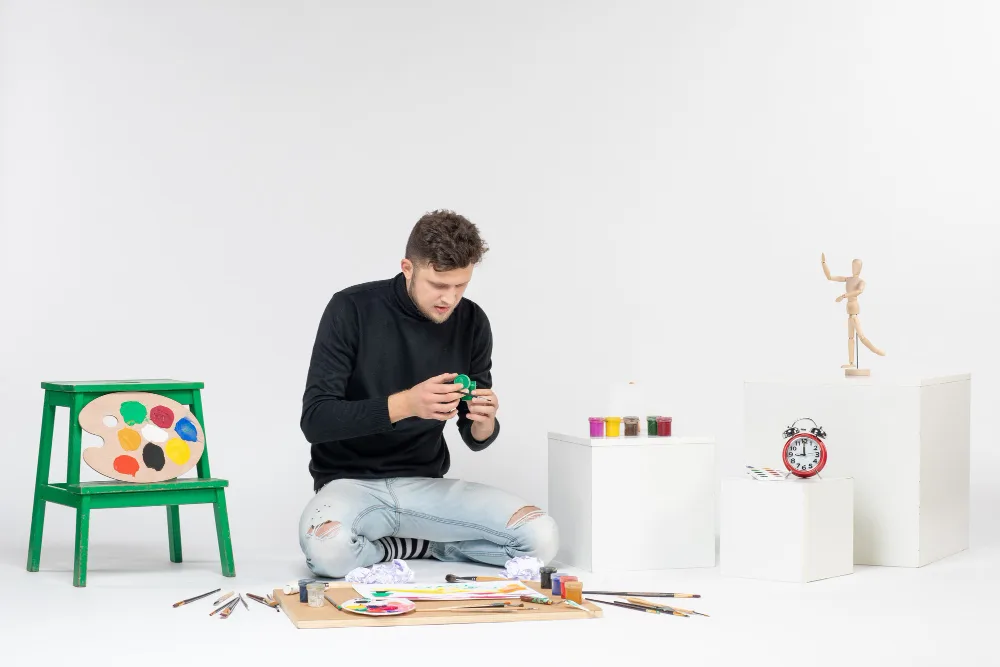
Some hobbies are much more engaging than others and need an adequate and appropriate design for getting the most from them. For example, an artist’s studio might need a place for painting with strong natural light, storage for paint, and somewhere to wash up. So it helps to think about adding zones for the various needs of the activity itself, and how the layout can affect the enjoyment. Also consider storage needs, furniture, and even aesthetic focal points.
Designing a Hobby Zone with Safety
According to a survey in the UK, around 61% of people store their hobby equipment inside the main house, where it gets in the way and can even be unsafe. While there might be tons of hobbies that can keep you fit and healthy, the equipment you use can be pretty dangerous, such as weights. A dedicated space for your hobby is a good move if there is nowhere to safely store the items you need, and if the equipment you use is actually inherently dangerous anyway.
Work Inside and Acceptable Budget
Creating a hobby space at home can be an expensive pursuit, especially if you are building a structure separate from the main house. Because of this, it helps to consider the budget and how you can stick to it. Old materials such as crates and furniture can be repurposed and upcycled. However, you can even spruce up a space like a garage with paint, non-slipmats and wall stickers, while LED lamps can provide the light you need with 80% less electricity.
Don’t Forget About Convenience
There are many hobbies you can start at home today, but a modern hobby space will probably need various things for your enjoyment and comfort. For example, a gaming zone will need a solid, fast, and reliable internet connection. This is easy if you are using a dedicated room at home, but it becomes a challenge if you build an external structure. Additionally, a structure, or even a room in the home, will need adequate ventilation, lighting, and even security for tools.
Summary
Planning the space based on the needs of the activity will help when designing a hobby zone for an activity you love. However, safety should come first, as some hobbies are inherently dangerous, but you also need to consider the conveniences that a modern hobby needs, too.