


7 minute read
The air we breathe inside our homes plays a far more significant role in our daily health and comfort than most people realize. Indoor air quality (IAQ) has emerged as a critical health concern, particularly as modern lifestyles keep us indoors for extended periods. What’s truly alarming is that studies consistently reveal indoor air can be two to five times more polluted than the air outside our front doors.
Our homes harbor a surprising array of invisible threats: dust particles that accumulate despite our best cleaning efforts, pet dander that lingers long after our furry friends have left the room, volatile organic compounds silently released from everyday cleaning products, and excess moisture that creates the perfect breeding ground for mold. Tackling these challenges effectively requires more than just opening a window—it demands a thoughtful, multi-pronged strategy that addresses pollution sources, optimizes ventilation, and maintains proper humidity levels. Sometimes this means incorporating devices like a humidifier to combat the dry indoor air that can aggravate respiratory conditions and leave us feeling uncomfortable in our own homes.
Understanding Indoor Air Quality and Its Impact
Indoor air quality encompasses the condition of air within any enclosed space, but its effects extend far beyond simple comfort. When IAQ deteriorates, the consequences ripple through every aspect of our health and daily lives. Poor air quality doesn’t just make us sneeze—it can trigger debilitating asthma attacks, spark allergic reactions, and contribute to a host of health problems that range from nagging headaches to serious long-term respiratory conditions.
The culprits lurking in our indoor air form a diverse and troublesome group. Particulate matter—including dust, pollen, and various allergens—floats invisibly through our living spaces. Volatile organic compounds (VOCs) steadily off-gas from furniture, carpets, and cleaning supplies we use daily. Biological contaminants like mold spores, bacteria, and dust mites thrive in the right conditions, while dangerous gases such as carbon monoxide can seep from poorly maintained combustion appliances.
The Environmental Protection Agency’s research paints a concerning picture: compromised indoor air quality intensifies asthma symptoms, unleashes allergic reactions, causes persistent headaches and fatigue, and increases susceptibility to respiratory infections. Children, elderly individuals, and anyone with existing respiratory conditions face heightened risks from these airborne threats.
Yet there’s encouraging news buried in the research. Health organizations have documented remarkable improvements when people take control of their indoor air quality. Better sleep, sharper focus, increased productivity, and significantly reduced healthcare expenses related to breathing problems all follow naturally from cleaner indoor air.
Key Factors Affecting Indoor Air Quality
Creating healthier indoor air hinges on mastering three fundamental elements: source control, ventilation, and humidity management. Think of these as the three legs of a stool—neglect any one, and your efforts become unstable.
Source control represents your first and most powerful line of defense. This means hunting down pollution sources throughout your home and either eliminating them or dramatically reducing their impact. Banish smoking indoors completely, keep gas appliances properly tuned and maintained, select cleaning products with minimal VOC content, and address any moisture issues before they escalate into mold problems. Here’s the best part: source control often delivers the biggest bang for your buck when it comes to improving IAQ.
Ventilation works like the lungs of your home, constantly refreshing indoor air by drawing in clean outdoor air while expelling contaminated indoor air. This happens naturally when you open windows during pleasant weather, but mechanical systems like bathroom exhaust fans and range hoods provide controlled air exchange when natural ventilation isn’t practical or sufficient.
Humidity control might seem less obvious, but it’s absolutely crucial for maintaining healthy indoor air. The sweet spot lies between 30% and 50% relative humidity. Drop below this range, and you’ll face respiratory irritation, dry skin, and increased vulnerability to infections. Climb above it, and you’ve created paradise for mold growth and dust mites. Achieving this balance requires attention to seasonal changes, local climate conditions, and daily activities that add or remove moisture from your indoor environment.
Practical Strategies to Improve Indoor Air Quality
Transforming your indoor air quality doesn’t require a complete home overhaul or a massive budget. Start with the basics: regular, thorough cleaning using HEPA-filter vacuums that actually capture the microscopic particles other vacuums just push around. Pair this with microfiber cloths that grab and hold allergens and dust rather than simply redistributing them.
Your bedroom deserves special attention since you spend roughly a third of your life there. Washing bedding weekly in hot water (at least 130°F) eliminates dust mites and other microscopic irritants that accumulate in sheets, pillowcases, and blankets.
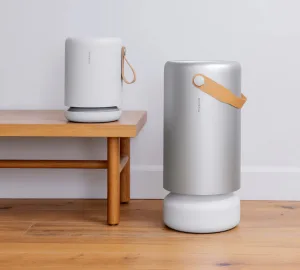
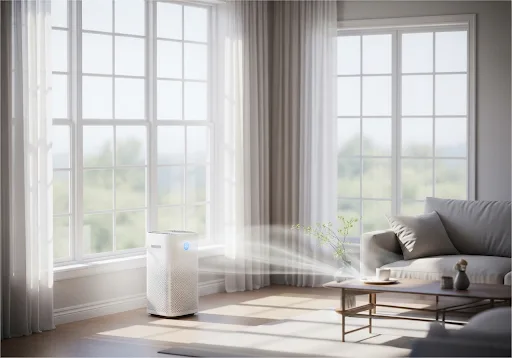
Air filtration systems equipped with HEPA and activated carbon filters can dramatically improve your indoor air by capturing both particles and odors. However, these systems only work effectively when properly maintained—which means religiously replacing filters according to the manufacturer’s schedule, not when you remember or when they look dirty.
Humidity management requires different approaches depending on your specific conditions. During harsh winter months when heating systems strip moisture from the air, or in naturally arid climates, humidifiers restore comfortable moisture levels and prevent the respiratory irritation that comes with overly dry air. On the flip side, dehumidifiers become essential in naturally humid environments, damp basements, or during muggy summer months when excess moisture threatens to trigger mold growth.
Ventilation improvements can start simple and grow more sophisticated based on your needs and budget. Opening windows when outdoor air quality is favorable costs nothing but provides immediate benefits. Using exhaust fans during cooking and bathing removes moisture and pollutants at their source. For those ready to invest in long-term solutions, energy recovery ventilators bring in fresh outdoor air while maintaining your home’s energy efficiency—a win-win for both air quality and utility bills.
Monitoring IAQ takes the guesswork out of air quality management. Indoor air quality monitors and humidity meters provide real-time data that helps you make informed decisions about when to adjust ventilation, activate humidity control devices, or take other corrective actions.
Common Misconceptions and Challenges
Despite growing awareness about indoor air quality, several persistent myths continue to mislead well-intentioned homeowners. The idea that houseplants can single-handedly purify your home’s air, while appealing, simply doesn’t hold up to scientific scrutiny. While plants do provide modest air purification benefits and certainly enhance your living space, they can’t replace proper ventilation and filtration systems.
Air fresheners present another common misconception. Rather than eliminating pollutants, most air fresheners merely mask unpleasant odors while potentially introducing additional chemicals into your indoor environment. True air quality improvement requires addressing the source of problems, not covering them up.
Real-world challenges add complexity to indoor air quality management. Balancing energy efficiency with adequate ventilation becomes particularly tricky during extreme weather when opening windows isn’t practical. Additionally, outdoor air pollution can complicate ventilation strategies—there’s little benefit in bringing polluted outdoor air inside. This requires staying informed about local air quality conditions and timing your ventilation efforts accordingly.
Final Thoughts on Maintaining Healthy Indoor Air
Creating and maintaining excellent indoor air quality isn’t about finding a single perfect solution—it’s about orchestrating multiple strategies that work together harmoniously. Source control, proper ventilation, and humidity management each play vital roles, but their combined effect far exceeds what any single approach can achieve.
Success in indoor air quality management comes from consistency rather than perfection. Regular monitoring helps you stay ahead of problems, while seasonal adjustments ensure your home’s air remains healthy and comfortable throughout the year’s changing conditions.
The investment you make in improving your indoor air quality pays dividends in ways both immediate and long-lasting. Better health, improved comfort, enhanced sleep, and greater overall well-being all flow naturally from the cleaner air you breathe every day. By taking proactive control of your indoor environment, you’re not just improving air quality—you’re investing in a healthier, more comfortable life for you and your family.