In a restaurant, the difference between a smooth night and a disaster often comes down to whether the equipment holds up. A fridge that fails mid-service or an oven that quits during a rush can sink a whole evening. Reliability, not just capability, is what a working kitchen truly needs.
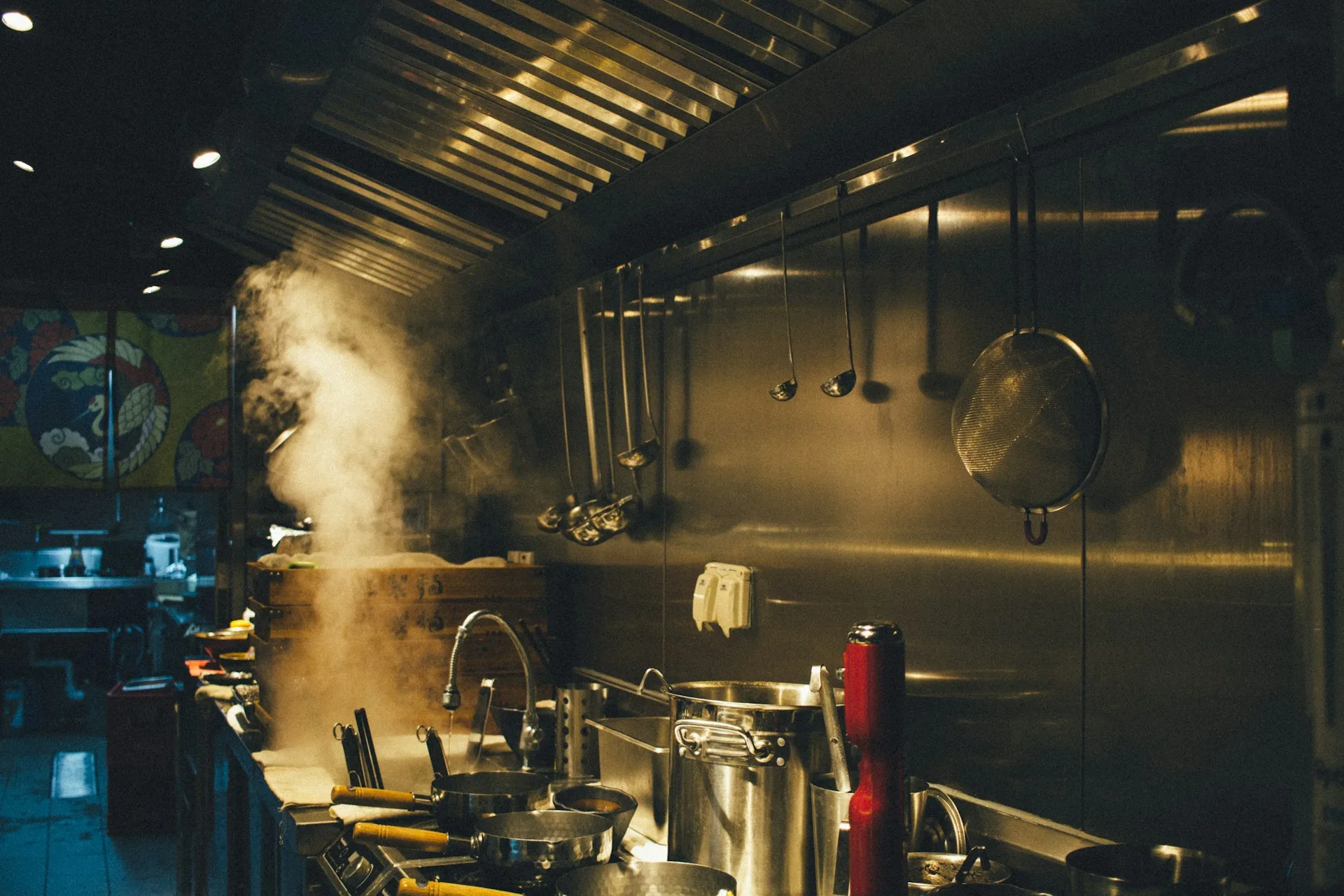
That is why smart operators treat equipment as an operational decision, not just a purchase. The right gear runs shift after shift without drama, protecting both the food and the flow of service. A knowledgeable supplier of food equipment for kitchen operations helps match durable gear to real demands, and this guide covers what keeps a kitchen running.
Why Does Equipment Uptime Decide the Day?
Uptime is the quiet metric that shapes every service. When equipment runs reliably, the kitchen hums; when it fails, everything stops. A single breakdown can ripple through an entire night’s covers.
The cost of downtime is steep and immediate. A failed cooler can spoil inventory, a dead fryer can gut a menu, and both send customers away unhappy. Those losses dwarf the price difference between cheap and dependable gear.
Reliability also protects the team. Staff who trust their tools work faster and calmer, while unreliable equipment breeds stress and mistakes. A kitchen that runs smoothly is a kitchen where people can actually cook.
Which Gear Works Hardest In Service?
Some equipment carries the whole operation on its back. Knowing which pieces face the heaviest load helps you invest where it counts. A few categories work hardest of all:
- Refrigeration. Runs around the clock, every single day.
- Cooking line. Ranges, ovens, and fryers under constant heat.
- Warewashing. Dishwashers cycling through every service.
- Prep tools. Mixers and processors used shift after shift.
Refrigeration and cooking take the most punishment. They run longest and fail most expensively, so they deserve the biggest share of the budget and the highest quality you can afford. Even specialty gear like electric smokers must be built for repeated commercial use, not occasional home cooking.
Fire risk rises with heavy cooking too. Following guidance on cooking safety protects both the equipment and the building around it. Hard-working gear demands respect for the hazards it carries.
How Do You Keep Equipment Reliable?
Buying well is only half the battle; keeping gear running is the other half. A little routine care prevents most mid-service failures. Reliability is largely a maintenance habit.
Photo by Pylyp Sukhenko on Unsplash
Alt text: A chef checking a commercial oven on a busy restaurant line
Build these practices into the weekly rhythm:
- Clean condenser coils. Dusty coils overwork refrigeration.
- Check door seals. Worn gaskets waste energy and cold.
- Service on schedule. Catch wear before it becomes failure.
- Train staff. Proper use prevents avoidable damage.
Safety and reliability go hand in hand. Meeting recognized workplace safety standards keeps equipment in sound condition and staff protected at the same time. A well-maintained kitchen is a safer kitchen.
Durability shows in the details, right down to the reliable fixtures throughout the space. Quality construction, whether in a range or a faucet, is what survives years of hard commercial use.
What Separates Commercial From Consumer Gear?
Home appliances and commercial equipment can look similar and perform worlds apart. The difference is built for duty. Understanding it prevents an expensive mistake.
Commercial gear differs in ways that matter every shift:
- Build. Heavier materials made for constant duty.
- Power. Stronger motors and higher heat output.
- Repairability. Serviceable parts, not sealed units.
- Warranty. Coverage rated for commercial use.
Those differences let commercial gear run all day where a home unit would burn out in weeks. It is also built to be repaired, with serviceable parts rather than the sealed, disposable designs common in consumer appliances.
The economics favor commercial too. A cheaper consumer unit often fails fast, voids its warranty under commercial use, and costs far more over its short life. Proper gear, paired with disciplined inventory management and steady maintenance, pays back through years of dependable, uninterrupted service. Buy for the duty, not the sticker price.
Equipment That Keeps the Line Moving
A restaurant lives on its ability to deliver, night after night, without interruption. That reliability starts with equipment chosen for duty, maintained with discipline, and matched to the real demands of the kitchen. Protect refrigeration and cooking first, keep everything serviced, and never mistake a home appliance for commercial gear. Get the equipment right, and it fades into the background, quietly keeping the line moving while the team focuses on the food.
Frequently Asked Questions
What Kitchen Equipment Should I Prioritize?
Start with refrigeration and cooking, since they run hardest and fail most expensively. A reliable cooler protects your inventory around the clock, and a dependable cooking line determines what and how fast you can serve. Once those are solid, invest in warewashing, then prep tools and any specialty equipment your menu requires.
Is Commercial Equipment Worth the Higher Price?
For a working kitchen, almost always. Commercial gear is built to run constantly and be repaired, so it lasts far longer than a consumer unit pushed beyond its limits. Once you count spoilage, downtime, and early replacement, the durable option usually costs less over its full service life.
How Often Should Commercial Equipment Be Serviced?
Follow the manufacturer’s schedule, and add simple weekly checks of coils, seals, and moving parts. Most reliability problems trace back to skipped basic maintenance rather than genuine failure. A modest routine, plus scheduled professional servicing, prevents the sudden mid-service breakdowns that cost a kitchen far more than upkeep ever would.
Can I Mix New and Used Equipment?
Yes, and many kitchens do. Sturdy items like stainless tables and shelving are often fine used, freeing budget for new refrigeration and cooking gear where reliability matters most. Just inspect used equipment carefully and buy from a supplier who can advise on condition, warranty, and expected remaining life.