


3 minute read
Most of us have a pretty predictable relationship with cleaning: we do our best but can let things slide until something finally pushes us into a weekend reset. It feels kind of productive, almost like hitting a giant Reset button on your space. But here’s the truth that is hidden by those big efforts: marathon cleanups don’t actually do the heavy lifting when it comes to keeping your home healthy, functional, and low stress. The bulk of the work is achieved quietly – almost invisibly – in those little habits you build into your everyday life.
Why occasional clearouts don’t do the job you think
Deep cleans are great at creating a sense of control, but they are abysmal at maintaining it. Dust, moisture, and kitchen grime don’t accumulate on a yearly basis; they begin to rebuild almost immediately. An occasional overhaul may make your home look good immediately afterwards, but will do nothing to address the slow-moving issues that affect air quality, allergen load, or the general livability of your home.
There is also the problem of reset fatigue. When you rely on dramatic cleanouts, it creates a cycle of neglect followed by burnout. It’s unsustainable – and usually, it’s hugely counterproductive.
The micro-maintenance mindset that prevents bigger problems
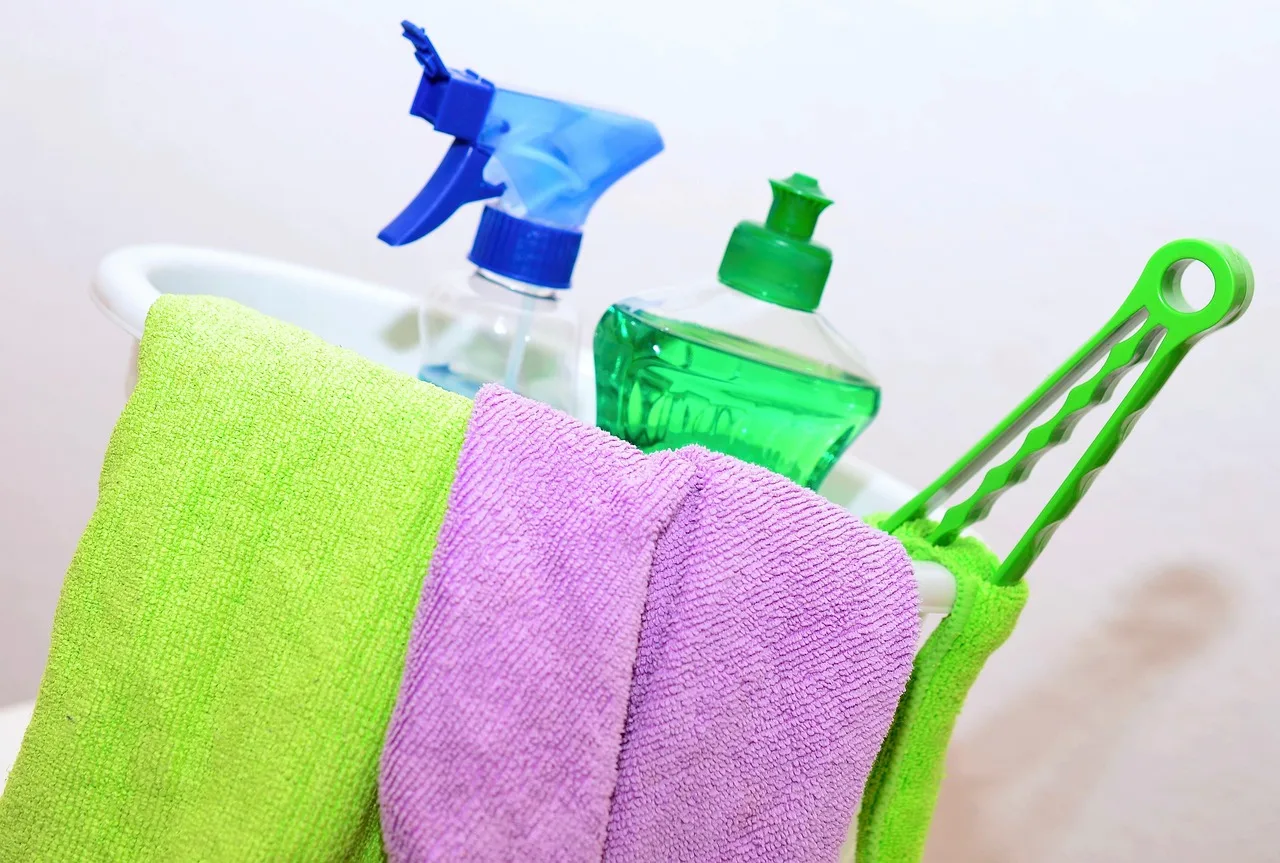
Here’s the shift that actually works: treat your home like something that benefits from regular 1% improvements rather than occasional Herculean efforts. Wiping counters as you use them, running a microfiber cloth over surfaces during a morning routine, or doing a five-minute declutter before bed seems trivial – but these micro-movements keep buildup from becoming a problem in the first place.
This is also where homeowners save themselves from future headaches. Moisture left around a sink, crumbs that roll away under appliances, and rarely-touched storage areas can become quiet invitation points for issues that aren’t noticeable until they are. Larger home invaders that can end up requiring pest control, yes, but also smaller irritants such as mites, bacteria and other organisms that thrive in neglected places. Good cleaning should be a method of maintenance, not repair: consistent smaller steps take up much less time cumulatively than big pushes.
Ten minutes out of your day to save hours
You don’t need a rigid system of military precision. A simple ten-minute habit loop can transform how your home feels.
- A quick walkthrough to put things back where they belong
- A wipe-down of surfaces that are touched often, especially in kitchens and bathrooms
- A checkover for moisture, spills, and crumbs
- A rotation of micro-tasks: dealing with one drawer today, one shelf tomorrow and so on
These efforts build a protective layer over your home’s most vulnerable points. Over time, spaces feel cleaner, calmer, and much easier to maintain because nothing has spiraled out of control.
Deep cleans will always have their place, but they should not become a primary strategy – and they’re easier when maintenance has been regular. What keeps a home healthy is the quiet, consistent attention you give it in the margins of your daily routine. It’s less dramatic and much more effective – and Future You will thank you for it.