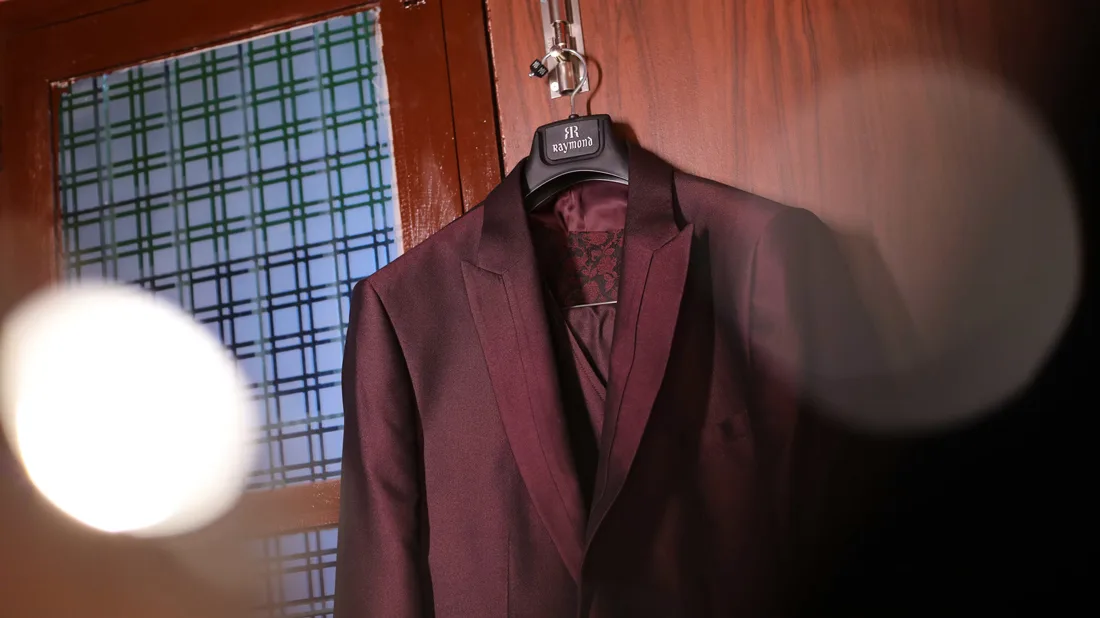
A well-fitted suit gives your wardrobe a reliable foundation for business meetings, weddings, and formal events. The fabric and color matter, but proportion does most of the work. A jacket that follows your shoulders and trousers that fall cleanly will look polished without feeling stiff. Once you understand a few fit basics, shopping becomes easier, and alterations become far more predictable.
Start with the occasion
Before comparing lapels or fabric patterns, decide where you’ll wear the suit most often. Navy and charcoal work well in offices, evening events, and formal celebrations. Medium gray feels slightly more relaxed while still looking professional. Black usually makes the most sense for occasions with a strict formal dress code.
Think about frequency too. A suit worn twice a week needs durable fabric and enough room for comfortable movement. For an occasional event, you can focus more on seasonal texture or a distinctive color. If you’re shopping for a wedding, coordinate with the event’s level of formality and overall color palette before committing to a style.
Know when custom fitting makes sense
Standard sizing can work when the jacket sits neatly across your shoulders, and the trousers need only basic hemming. More involved fit issues call for individual attention. If your shoulders, chest and waist fall into different size ranges, a custom fitting can produce a cleaner result without excessive alteration.
A specialty retailer such as Ted’s Clothiers offers curated men’s suits and custom fittings for business, weddings and special occasions in the Colorado area. That option is especially useful when you have a fixed event date or want guidance on proportion. Schedule the fitting early enough to allow for adjustments, ideally several weeks before you need the finished suit.
Fit begins at the shoulders
The shoulder seam should end where your natural shoulder ends. If it hangs past that point, the jacket will look oversized. If it pulls inward, you may notice dimples near the sleeve head or tension across your upper back. Shoulder corrections are complex, so get this area right before considering smaller alterations.
Next, button the jacket and look for pulling around the closure. The lapels should lie flat against your chest, and the collar should rest against the back of your shirt. For event-specific inspiration, this wedding attire profile offers a practical example of how formalwear services may be presented to couples planning their clothing around a ceremony.
Small alterations create a sharper finish
A few measured changes can transform how a suit looks. Jacket sleeves should reveal roughly a quarter to half inch of shirt cuff, depending on your preference. Trouser length can range from little to no break for a modern silhouette to a slight break for a more traditional look.
Ask the tailor to check the jacket waist, sleeve pitch, and trouser seat while you stand naturally. Avoid posing with your shoulders pulled back because the garment must fit your everyday posture. Bring the shirt and shoes you plan to wear so the sleeve and hem lengths are judged with the full outfit in place. Walk, sit, and reach forward before approving the final adjustments.
Build outfits beyond the matching set
A good suit can support more than one complete outfit. Wear the jacket and trousers together for formal occasions, then separate them when the setting allows. A navy jacket can pair with gray trousers, while charcoal suit pants may work with a fine-knit sweater and loafers.
Keep shirts simple at first. White and pale blue complement most suit colors and make tie selection easier. Once those basics are covered, add subtle stripes, textured ties or pocket squares in restrained colors. Limit each outfit to one noticeable pattern so the overall effect stays intentional. Proper rotation also helps the fabric recover between wears and keeps the suit looking fresh for longer, which is key to dressing well daily.
Keep the suit ready to wear
Hang your jacket on a wide, shaped hanger that supports the shoulders. Give trousers their own clamping or bar-style hanger so they retain a clean crease. After wearing the suit, empty the pockets and let the fabric air before returning it to a garment bag.
Follow the garment care labels before cleaning or pressing anything at home. Frequent dry cleaning can wear down natural fibers, so reserve it for stains, odors, or visible soil. Light steaming and gentle brushing will handle many routine touch-ups. With sound storage and thoughtful alterations, your suit will be ready when an invitation arrives, or an important meeting lands on the calendar.

