Your outdoor space can be one of the most underused parts of your home. It sits there full of potential, then weather, bugs, glare, and random temperature swings push you back inside. A smarter setup can change that fast. If you want more usable square footage without jumping straight into a major addition, a patio enclosure is often where the conversation gets interesting.
What a patio enclosure actually adds to your daily life
A patio enclosure does more than put walls around a slab of concrete. It turns a seasonal area into a flexible part of your home that you can use far more often. Morning coffee feels easier there. Homework, reading, casual dinners, and weekend hangouts suddenly have a dedicated spot.
You also get a buffer zone between indoors and outdoors. That matters more than people expect. Shoes, wet umbrellas, pet paws, and pollen have a place to stop before they spread everywhere. If you have kids, an enclosure can become the rare household feature that works for both chaos and calm.
The biggest perk is usability. Instead of planning around heat, wind, or insects, you get a space that behaves more like a room and less like a gamble.
The design details that matter more than people expect
The best patio enclosures are not just attractive. They fit how you live. That starts with practical design choices, not only color swatches and Pinterest ambition. Ventilation, window style, lighting, shade control, and door placement all shape how comfortable the space feels.
Think about your routine. If you work from home, glare control matters. If you host friends, traffic flow matters. If your yard is the star of the show, sightlines matter. Even flooring becomes a quality-of-life issue once you’re using the area daily.
When comparing options for a patio enclosure, pay attention to materials that can handle your climate and maintenance expectations. A good-looking setup is nice. A good-looking setup that doesn’t become a weekend repair hobby is better.
Why homeowners choose this upgrade over a full addition
A traditional room addition can be expensive, disruptive, and slow. It often involves major structural work, permits, weeks of noise, and a budget that starts acting like it has big dreams. A patio enclosure usually lands in a more practical middle ground.
You keep the footprint you already have and improve how it performs. That makes it appealing if you want better function without reshaping your entire property. It’s one of those upgrades that feels strategic rather than flashy.
You may also avoid some of the design complications that come with a full build-out. Rooflines, foundation matching, and major interior demolition can turn simple ideas into complicated projects. With an enclosure, the goal is often cleaner: protect the space, improve comfort, and make it useful more months of the year.
Weather, bugs, and energy efficiency all play a role
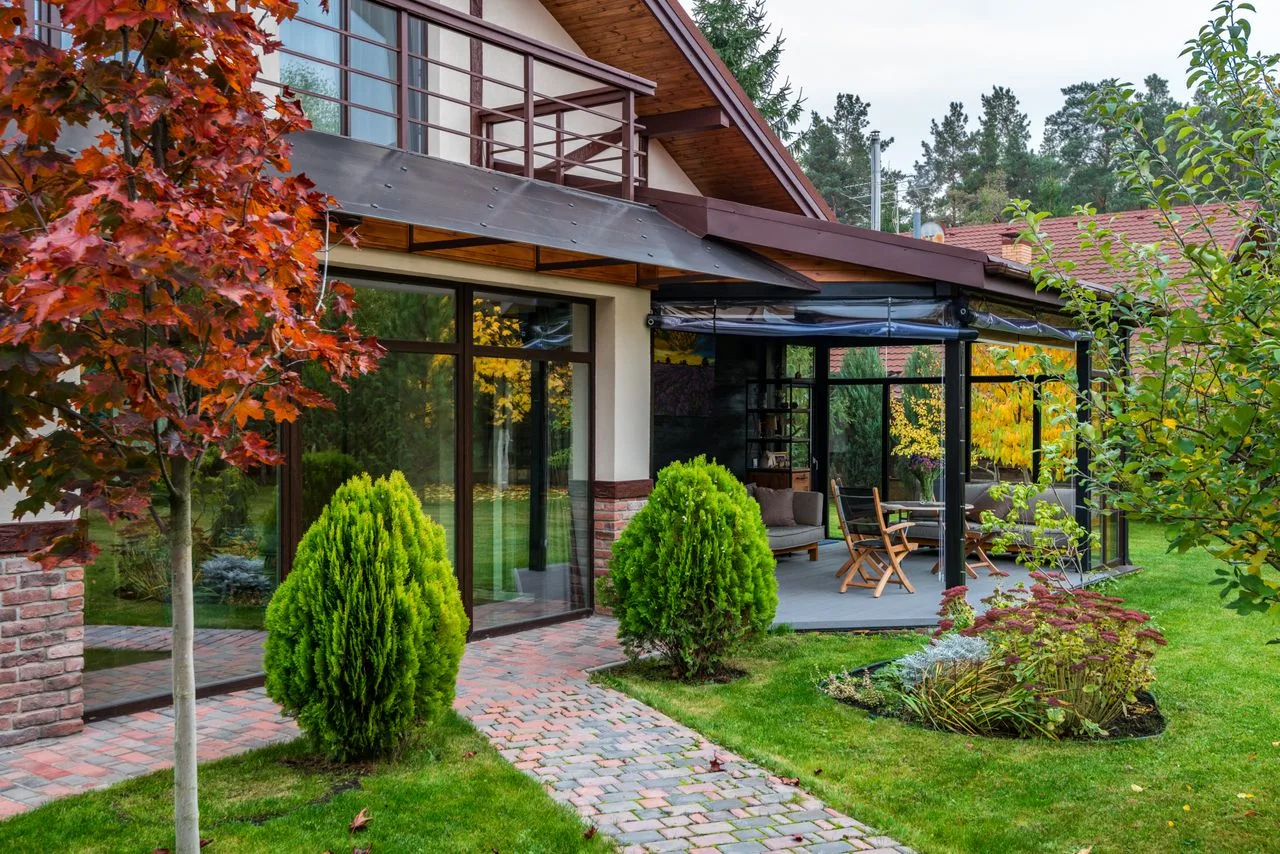
Outdoor comfort usually comes down to three enemies: heat, moisture, and insects. A patio enclosure helps tackle all three while still letting you enjoy natural light and views. That mix is what makes it so appealing in real homes, not just in brochure photos.
Screened or glass-enclosed options can cut down on mosquitoes, drifting debris, and the sticky-air effect that makes some patios unbearable in summer. Depending on the design, you may also get better insulation from wind and rain, which extends the time you can comfortably use the area.
There’s an energy angle too. Buffer spaces can help reduce direct solar impact on adjoining rooms, especially when paired with smart glazing or shading features. Translation: your HVAC system may get a little less drama. It won’t solve every efficiency issue, though it can support a more balanced home environment.
How this kind of project affects home value and buyer appeal
Not every upgrade delivers equal value in the eyes of future buyers. A patio enclosure tends to stand out because it improves livability in a way people understand immediately. Buyers walk in, see an extra useful space, and start mentally furnishing it within seconds.
That reaction matters. Functional square footage has emotional pull, even when it isn’t technically the same as a full interior addition. A well-designed enclosure can make your home feel larger, brighter, and more versatile, which helps during resale conversations.
Quality is the dividing line. If the enclosure looks tacked on, buyers may read it as another project on their to-do list. If it feels integrated with the home, it reads as a lifestyle upgrade. Clean finishes, durable materials, and a design that complements the existing structure tend to do the heavy lifting here.
Common mistakes to avoid before you commit
The biggest mistake is choosing based on appearance alone. You need a setup that matches your climate, your usage, and the way your house is built. A gorgeous enclosure that overheats by noon or leaks during a storm will lose its charm at impressive speed.
Another misstep is underestimating furniture and layout. Measure for real use, not imaginary perfection. If you want dining space, leave enough clearance for chairs. If you want a lounge area, think about outlets, fans, and where the sun hits in late afternoon.
Also, check local requirements before work begins. Permitting, HOA rules, and setback regulations can affect your options. It’s not the fun part, but it beats learning expensive lessons later. The smartest projects balance aesthetics, code compliance, and daily function from the start.
Making the space feel finished once the build is done
After construction, the enclosure still needs to earn its place in your home. Treat it like a real room. That means layered lighting, comfortable seating, and materials that fit the indoor-outdoor nature of the space. If you stop at “a few chairs and vibes,” the area may never reach its full potential.
Use rugs, plants, storage benches, or compact side tables to define the purpose of the room. If the enclosure doubles as a dining area and lounge, create subtle zones so it doesn’t feel like furniture was placed by a committee in a hurry.
Keep maintenance simple. Choose washable fabrics, easy-clean surfaces, and layouts that can flex with the season. Once the space is convenient, you’ll use it far more often. That’s when the upgrade stops feeling like a project and starts feeling like part of home.