Whether it’s a burst pipe, a faulty HVAC system, or a plumbing problem, many issues can stop service delivery, ruin a good reputation, and lead to hundreds of thousands of dollars in lost revenue.
That’s why, in order to stay ahead of the game, local restaurants must be proactive about keeping infrastructure up to date. Let’s discuss how modern tools and traditional techniques can prepare restaurants for a what-if scenario.
The Importance of Plumbing and Infrastructure Management
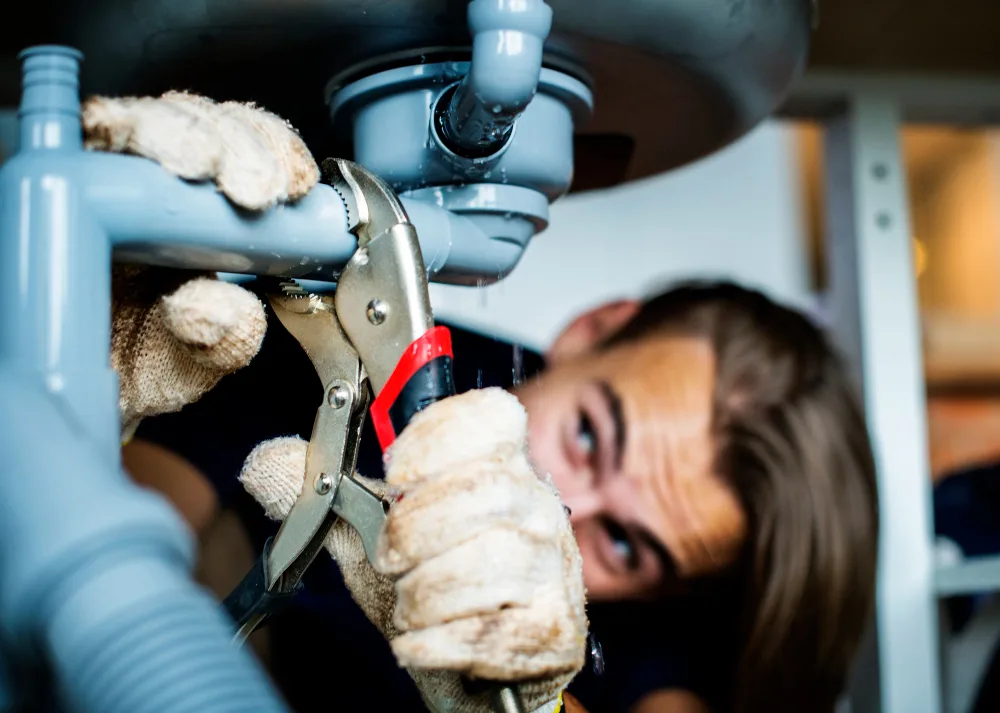
A prevalent type of emergency for restaurants is plumbing problems. A blocked drain or a dripping pipe can grind operations to a halt, leading to closures and vexed customers.
Aside from plumbing, other critical infrastructure, such as electrical systems, refrigeration units, and HVAC systems, also need routine maintenance. A single failure in any of those areas could result in spoiled inventory, uncomfortable dining conditions, or even a safety hazard.
To prevent such a situation, restaurants must first do preventive maintenance. That includes planning regular inspections, cleaning, and repairs to detect and fix problem areas before they become an issue.
However, doing all of this manually throughout the day is certainly time-consuming and prone to human error. Here, modern tech comes into play to make it simple.
Traditional Methods vs. Modern Solutions
Historically, restaurant operators used paper-based systems or simple spreadsheets to monitor maintenance schedules and repairs.
Although these methods do the work to an extent, they are often pretty poor in terms of efficiency and real-time updates. For instance, scrawled logs of plumbing inspections might not send an alert to the owner when an important repair is due, increasing the chance of emergencies.
Simplifying Emergency Repairs with Technology
When emergencies happen, they need quick and efficient resolution. Newer software solutions can allow restaurant owners to reach experienced contractors, get reliable estimates, and check the progress of the repair live.
For example, should a pipe burst during peak time, a tool such as Joist can enable owners to find a licensed plumber quickly, get an itemized estimate, and approve the repair without delay.
Moreover, tools like these also provide automated reminders and digitally store records, which helps you stay organized and prepared. With the help of technology, restaurants can reduce downtime and continue their operations even during thunderstorms and other unexpected issues.
Building a Comprehensive Emergency Plan
A strong emergency preparedness plan must address other possible dangers, such as power outages, natural disasters, and equipment failures, in addition to preparing for plumbing and infrastructure issues.
Here are some steps that local eateries can take to create a comprehensive plan:
- Have an emergency contact list: Keep a list of reliable contractors, such as trusted plumbing professionals in Jackson, MI, who can respond quickly when urgent repairs are needed.
- Train staff on emergency protocols: Staff should be familiar with how to respond to a variety of emergencies, from plumbing failures to fire hazards.
- Invest in backup: Explore backup generators, portable refrigeration units, and other measures that can keep operations running in the face of disruptions.
Conclusion
For local eateries, emergency preparedness is more than responding to a crisis: it’s preventing one. Restaurant owners can protect their operations, reputation, and service from deficiencies by utilizing traditional maintenance practices and modern solutions.