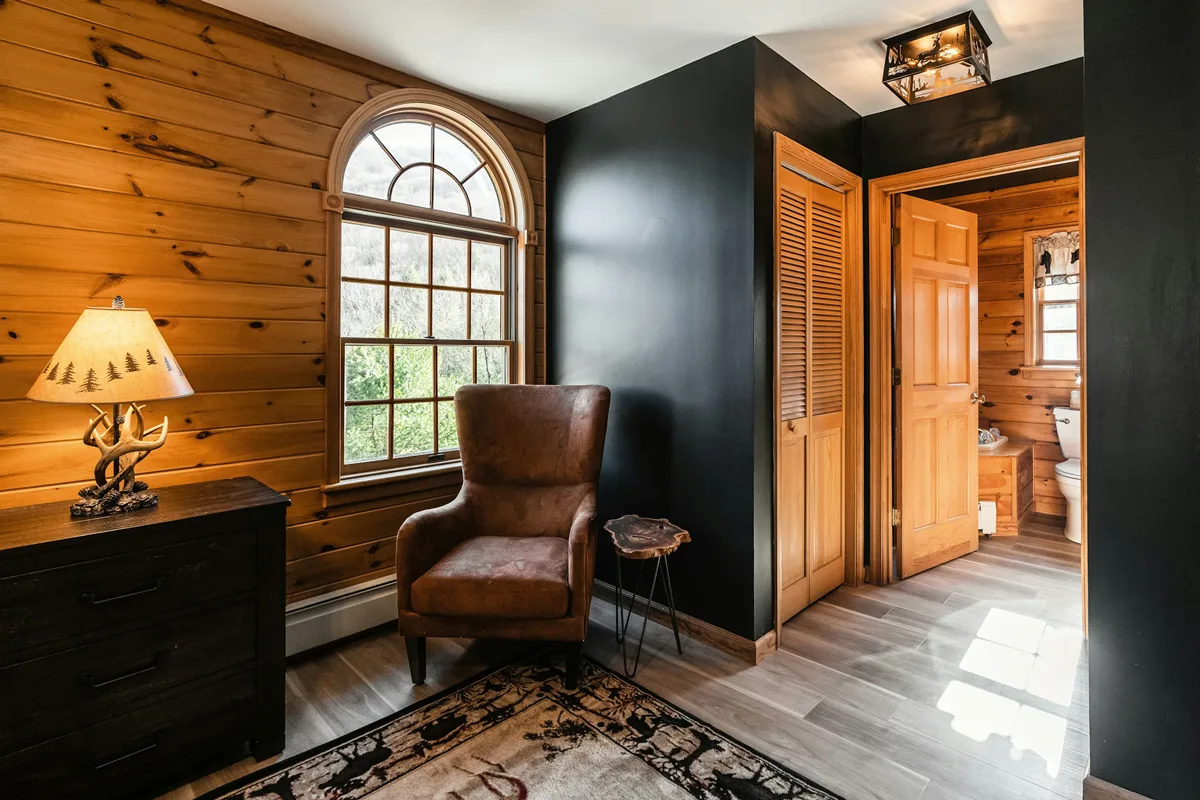
Few home renovation projects deliver as immediate and widespread an impact as replacing all the internal doors in a property. Installing oak interior doors throughout a home creates a sense of continuity and quality that elevates the interior from ordinary to considered. The warmth and grain of natural oak complement a wide range of decorating styles, and the solid construction of quality timber doors offers benefits in sound containment, durability, and a sense of substance that every room in the home deserves.
The Cumulative Impact of Door Quality Throughout a Home
A single upgraded door in a property can look noticeably better than the others around it, but this contrast often highlights how much improvement is still needed throughout the rest of the home. Replacing all the internal doors at once creates a unified impression that is far greater than the sum of its individual parts. The consistency of matching timber, style, and finish running through every hallway and room gives the interior a polished quality that visitors notice immediately. It is one of the few home improvements that enhances the feel of every room in the property simultaneously, without requiring any structural work.
Oak as a Sustainable and Long-Lasting Choice
When selecting a material for internal doors, the long-term performance of the product is as important as its appearance. Oak is among the most durable hardwoods available, and when sourced from well-managed forests, it represents a sustainable choice for environmentally conscious homeowners. The lifespan of a quality solid oak door significantly exceeds that of hollow-core or cheaper softwood alternatives, meaning that the cost per year of ownership is often more competitive than initial comparisons might suggest. Investing in quality from the outset reduces the likelihood of needing to replace doors again in the near future.
The Relationship Between Doors and Interior Design
The internal doors of a property are not simply functional components. They are part of the interior design. The choice of timber tone, panel arrangement, and hardware all contribute to the visual language of the home. Oak offers considerable flexibility in this regard, as it accepts a range of finishes from natural oiled surfaces to painted effects. This means that homeowners are not locked into a single aesthetic. The same solid oak door can sit comfortably in a traditional cottage interior or a clean modern home, depending on how it is finished and what hardware is paired with it.
Noise Reduction as a Practical Benefit
In a busy household, the ability to contain sound between rooms makes a meaningful difference to day-to-day life. Solid timber doors provide significantly better acoustic performance than hollow-core alternatives, which transmit noise readily from one room to another. Whether the priority is keeping television sound out of a bedroom, giving a home office a degree of acoustic separation from the rest of the house, or simply giving bedrooms a quieter, more private atmosphere, solid oak doors deliver in ways cheaper alternatives do not. This benefit becomes more valued the more time is spent living with it.
Coordinating Doors With Other Interior Finishes
To get the most from a set of new internal doors, it is worth thinking carefully about how they will relate to other elements of the interior. The tone of the oak and the chosen finish should be considered alongside the flooring, skirting boards, and architraves already present or planned. Where possible, coordinating these elements into a coherent scheme creates a far more polished result than selecting each component in isolation. Many specialist door suppliers offer guidance on how different finishes and styles relate to one another, which is helpful when planning a full renovation or making sequential upgrades over time.
Practical Considerations for a Smooth Installation
Before ordering new internal doors, it is important to measure every opening in the home and record the dimensions accurately. Door sizes in older properties can vary from room to room, and assuming a standard size fits throughout can lead to delays and additional costs. The direction of swing, the position of the hinges, and the required locking or latching mechanism should all be confirmed at the specification stage. If any door frames are in poor condition, addressing them at the same time as the door replacement will produce a cleaner, more professional finish across the property.