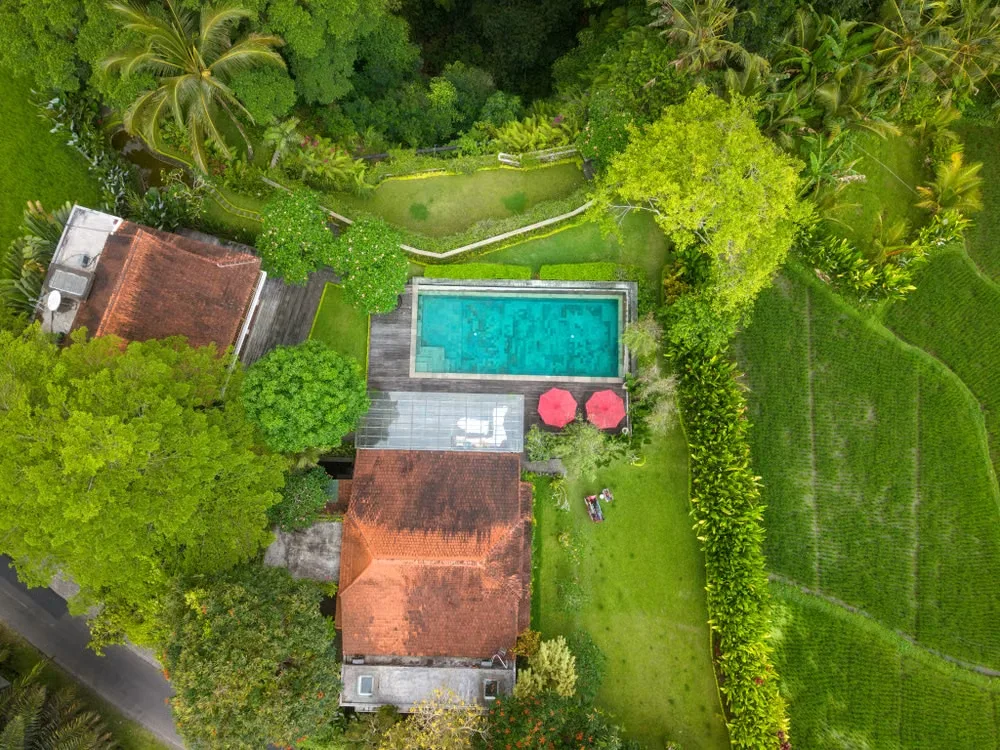
The first viewing of a luxury property may happen thousands of miles from its front door. A prospective buyer sees a residence online, checks the developer’s website, compares ownership costs, and decides whether to request details. The sales team may never hear from that person if the information is difficult to find.
For developers seeking overseas purchasers, a digital marketing agency for real estate should make that early research easier, then turn genuine interest into a conversation. Reaching people across borders requires an understanding of what they need to know before they can visit.
Start With the Questions Buyers Actually Search
A developer might describe a project as an exclusive coastal address. A buyer is likelier to search for specific information: beachfront residences in a particular destination, available floor plans, ownership restrictions, or management fees.
Search campaigns should reflect those questions. Separate searches indicating immediate purchase interest from broad research about a destination. Someone checking local attractions may need a useful guide; someone requesting residence availability needs a route to the sales team.
Organic search matters here too. Pages explaining ownership structures, neighborhood access, and operating costs help prospective buyers evaluate a development without relying entirely on paid advertising. Accuracy carries weight when the reader cannot inspect the site in person.
Adapt the Message to Each Market
An advertisement that works in one country may miss the concerns of buyers in another. Language matters, but so do local purchasing processes, travel connections, currency preferences, and familiarity with the destination.
Consider a resort residence marketed to buyers abroad. One audience may want straightforward information about rental management; another may be comparing seasonal access and ongoing maintenance. These are different questions about the same property.
Build dedicated landing pages where the differences warrant them. Keep prices, ownership terms, and availability consistent across versions. Explain local terminology instead of assuming international visitors understand it. Any claims about taxes, financing, or residency should be reviewed by qualified local advisers.
Importantly, geographic planning must respect applicable housing advertising, privacy, and consumer protection rules. Targeting should follow lawful criteria and demonstrated property interest, not discriminatory assumptions about potential purchasers.
Show the Property Clearly Before Asking for Details
Remote buyers cannot assess a home through a description alone. They need photography that shows the actual surroundings, floor plans they can read on a phone, and clear explanations of what is included in a purchase.
For developments still under construction, architectural renderings and video tours can help. Label conceptual images accurately. A polished rendering should never be mistaken for a photograph of a completed residence.
Put practical information near the visuals: residence sizes, available layouts, amenities, anticipated delivery dates, and the process for arranging a viewing. Give buyers a reason to trust the materials before requesting their contact information.
Turn Interest Into Qualified Inquiries
For international campaigns, real estate lead generation becomes wasteful when every visitor receives the same message. A person downloading a general destination guide may be months away from buying. Someone asking about a specific unit and its purchase timeline may be ready for a direct conversation.
Keep inquiry forms concise but useful. Ask what type of residence interests the visitor and how they prefer to be contacted. Do not demand unnecessary personal information simply to access a brochure.
A luxury real estate marketing agency can connect advertisements, landing pages, and inquiries so the sales team knows where each prospect came from. Real Living Productions describes this approach through its digital marketing and lead generation services, which include audience strategy, website development, email communication, and customer relationship management.
Follow Up Across Time Zones Without Losing the Personal Touch
A response sent during office hours may arrive after midnight for an overseas buyer. Confirmation emails can acknowledge an inquiry immediately, but a useful reply still needs a person who understands the questions being asked.
Organize inquiries by property interest, requested information, and stage of consideration. A buyer seeking purchase documents should receive those materials, while someone exploring the destination may benefit from a brief sequence explaining the community and its ownership options.
Offer video appointments at practical times across regions. Keep communication preferences clear, and make it easy for prospects to request no further contact. Reliable follow-up is part of good real estate marketing, especially when trust must develop remotely.
Measure Conversations, Not Just Website Traffic
A campaign with thousands of clicks can still disappoint if few prospects progress toward a viewing. Track which search terms, pages, and communications produce qualified conversations, requested floor plans, and appointments.
Connect those outcomes to the original inquiry source. This helps a real estate marketing agency identify wasted spending and focus on messages that bring suitable buyers into the sales process. Review the findings regularly with the sales team, since inquiry volume alone tells only part of the story.
Conclusion
International buyers need clear information, credible presentation, and responsive communication before they can consider a purchase abroad. Developers who coordinate search, content, and follow-up make that decision easier.
To build a coordinated digital campaign for a luxury residential development, contact Real Living Productions and discuss how to reach interested buyers across markets.