Around 5 million fans are expected to attend the 2026 World Cup, and if you’re among them, it doesn’t have to drain your life savings if you plan with precision. With matches spread across three massive nations, fans face unprecedented travel and ticket inflation that requires a proactive strategy.
Thousands of fans overlook the massive price disparities between host cities. Ticket prices for premium venues like MetLife Stadium have already triggered official consumer investigations due to skyrocketing costs.
The primary cost-saving strategy is to match your itinerary to specific regional clusters rather than following a single team across the continent. Group stage matches featuring neutral, lower-ranking teams offer the same electric stadium atmosphere at a fraction of the price of knockout rounds. Planning your base of operations around transport hubs is essential.
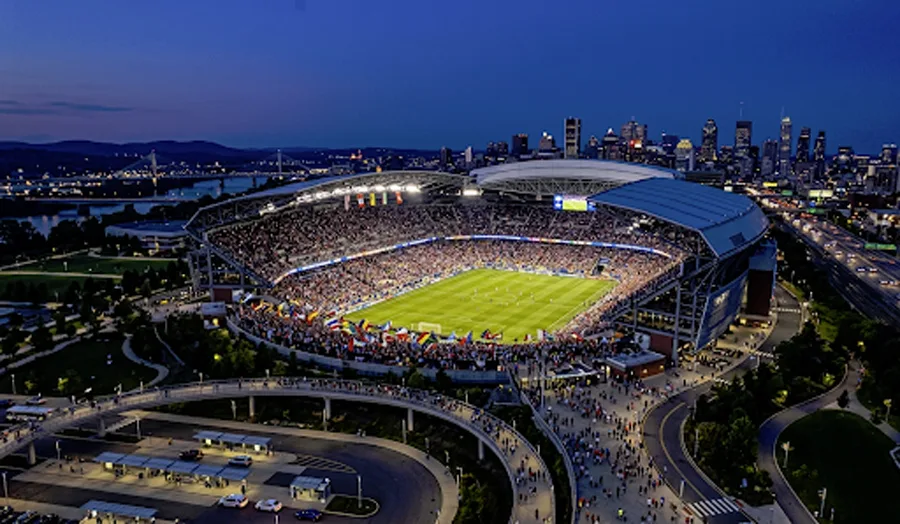
Smart Routing and Venue Selection
The total cost of your tournament experience depends heavily on which stadiums you choose to visit. Venues located in major coastal transit hubs like Vancouver command a massive premium for lodging and local transit. Conversely, opting for matches in the southern region can instantly cut your baseline expenses in half.
Understanding your geographical options is the first step toward building an affordable itinerary. You can check out the comprehensive breakdown of what are the venues for the 2026 World Cup to map out your route. For instance, pairing Texas-based venues with Mexican host cities minimizes flight times and taps into more affordable regional transit networks.
Leveraging localized ticket initiatives and alternative accommodations will keep your budget intact. Consider these tactical choices to maximize your match-day savings:
- Opting for secondary host cities like Houston or Monterrey significantly lowers your nightly hotel expenses
- Entering localized $50 ticket lottery initiatives can secure prime seats without paying secondary market premiums
- Utilizing multi-country eSIMs and regional bus networks bypasses high airport transit fees
Reducing Lodging and Match Day Costs
Securing a match ticket is only half the battle when hotel rate inflation mimics peak holiday seasons. Savvy tournament travelers who are already using tools to manage their money can avoid booking hotels directly adjacent to stadium districts. Suburban communities located along commuter rail lines offer a financial refuge for budget-conscious fans.
Choosing local transit systems over ridesharing apps on match day will save you hundreds of dollars in surge pricing. Stadium parking fees alone can equal the cost of a group-stage ticket, with passes of at least $175 reported. Carrying a light, stadium-approved bag and using regional rail links ensures you spend your money on the actual tournament experience rather than on logistics.
Splitting Group Lodging Outside Main Transit Zones
Hotel rates skyrocket near downtown stadiums, but you can bypass this inflation by booking large rentals in secondary suburban rings. Gathering a group of four to six fans allows you to split the cost of an entire house rather than booking multiple rooms. Choosing a neighborhood located three to four commuter rail stops away from the match venue keeps your nightly expenses manageable while ensuring you still reach the stadium gates without relying on surge priced rideshares.
Maximizing Your Tournament Travel Budget
Succeeding as a budget traveler during a major international tournament requires flexibility and early preparation. Relying on last-minute bookings during a multi-country event is a recipe for extreme financial stress.
Exploring community forums and regional travel guides can uncover hidden transportation routes and affordable hospitality options. Our site has much more coverage of the tournament, as well as articles on all sorts of other topics, so explore the rest of our content library and see what you can learn.