Most gym memberships end up as a monthly donation to a place you rarely visit. The commute, the crowds, the waiting around for a rack, it all adds up to friction, and friction is what quietly kills good intentions. A home gym removes most of that, which is why more guys are building one.
The catch is that plenty of people blow the budget on gear that ends up as a very expensive clothes rack in the garage. Building a home gym that actually gets used is less about buying everything and more about buying the right few things, then setting them up so you genuinely want to train. Here is how to do it without wasting money.
Start with how you will actually train
Before you buy anything, be honest about what you want out of it. Most people are chasing general strength, a bit of muscle, and staying in shape, not preparing for a powerlifting meet. That matters because it means you do not need a wall of machines or a five-figure setup to get real results.
For the vast majority of home lifters, free weights and bodyweight movements cover almost everything worth doing. Nail the basics with a small amount of quality gear, and you will get further than the guy with a garage full of equipment he never touches.
The gear worth buying first
If you strip a home gym back to what genuinely earns its place, the list is short. A solid set of dumbbells, a sturdy adjustable bench, and something soft underfoot to protect your joints and your floor. Add a pull-up bar and a set of resistance bands, and you can train your entire body for years without buying another thing.
Start with the dumbbells, because they do the most work by a wide margin. A good set of hex dumbbells is the backbone of a home gym, and for good reason. The flat, six-sided heads mean they sit still instead of rolling across the floor; they stay put when you use them for pushups or renegade rows, and the rubber coating spares both your flooring and your downstairs neighbors. They are about as close to a do-everything tool as strength training has.
If space and budget allow, a set of fixed-weight pairs gives you the smoothest experience, while an adjustable set saves room if your corner is tight. Either way, this is the one area worth spending properly on, because you will use them at almost every session.
Why dumbbells earn their keep
It is worth spelling out why dumbbells beat fancier kit for most people. One pair unlocks hundreds of exercises, from presses and rows to lunges, curls and loaded carries, hitting every major muscle group in the body. They also let each side work independently, which builds more balanced strength and exposes the weak points a barbell can quietly paper over.
On top of that, they are forgiving on the joints, dead easy to scale as you get stronger, and they take up almost no space. For a piece of gear that costs a fraction of a single machine and lasts basically forever, the return is hard to argue with.
Set up a space that pulls you in
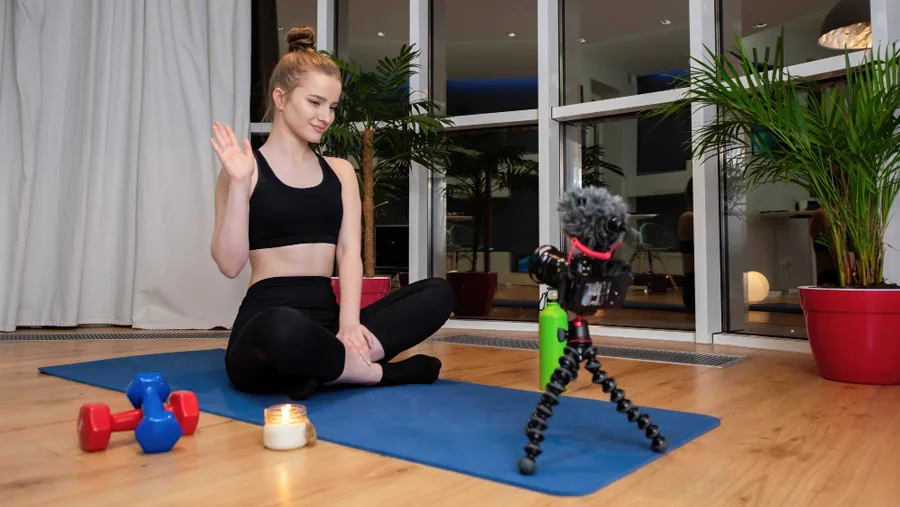
Gear is only half of the equation. The setup is what decides whether you actually train. Give yourself a dedicated corner, even a small one, so working out does not mean clearing the living room floor every single time. Lay down proper mats or flooring so the space feels solid and you are not dropping weight onto tile or timber.
Keep it visible, too. A home gym you walk past every day is a standing invitation, while one hidden in a spare room behind a closed door is easy to forget exists. The less effort it takes to start, the more often you will, and a decent set of weights left ready in plain sight does a lot of the convincing for you.
Skip the stuff you do not need yet
The fastest way to waste money is buying for the lifter you imagine becoming rather than the one you are today. Skip the specialized machines, the vibrating gadgets, and the gear you saw some influencer swear by. You can always add more once you have progressed enough to actually know what you are missing.
Most people who stick with training end up realizing the simple setup was doing the job the whole time. Buy quality basics first, use them hard for a few months, and let genuine needs guide whatever comes next.
Make it a habit, not a project
A home gym only pays off if you use it, so treat consistency as the real goal rather than intensity. Short, regular sessions beat the occasional marathon workout that leaves you too sore to move for three days afterward. Three or four focused half-hour sessions a week will change how you look and feel faster than you would expect.
Stack it onto something you already do, like training before your morning shower, and it stops being one more thing to remember and starts being something you simply do. That is the whole game with a home setup. It lives or dies on how easy you make it to begin.
The bottom line
Building a home gym is not about recreating a commercial floor in your garage. It is about removing excuses and owning a few versatile pieces you will genuinely use. Start with a good set of dumbbells, a bench and a proper floor, put it somewhere you will actually see it, and keep the sessions consistent.
Do that and you will get far more out of a modest corner setup than most people ever get from the membership they are quietly still paying for.