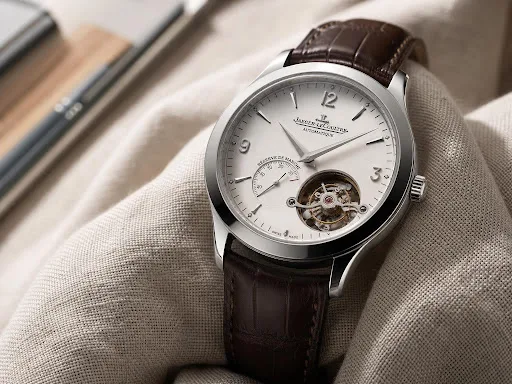
A mechanical watch is more than a timekeeping device—it’s a small mechanical instrument that blends craftsmanship, design, and a degree of ongoing care that quartz watches rarely demand. Shoppers researching their options often run into a wide range of categories, from field-ready pieces to dress watches, and brands such as tudor watches tend to come up often during this kind of comparison shopping. Rather than focusing on any single brand, this article lays out evaluation principles that apply broadly: lifestyle, wrist size, intended use, and tolerance for upkeep all play a role in whether a given watch ends up suiting someone well. No single specification—price, movement type, or water-resistance rating—determines whether a watch is right for every wearer. The goal here is to separate verifiable facts from subjective preferences about appearance or prestige, so readers can make an informed, personally relevant decision.
Start With Your Intended Use
Match the Watch to Daily Activities
Think about how the watch will actually be worn day to day. An office environment calls for different qualities than frequent travel, outdoor recreation, or formal occasions, and a watch worn occasionally for dinners out has different demands than one exposed daily to movement, moisture, or impact. Working through these patterns before evaluating specific options narrows the field considerably.
Identify Essential Rather Than Attractive Features
It helps to separate genuine needs from features that merely look appealing but add little practical value. Useful considerations include legibility in various lighting conditions, a clear date display, a second time zone for travelers, a chronograph for timing activities, a rotating bezel for tracking elapsed time, and strong lume for low-light visibility. An office worker may prioritize a subtle design and comfortable fit; a frequent traveler may value a second time zone and dependable accuracy; a recreational swimmer may focus on water resistance and strap durability. Jotting down a short “must-have” and “nice-to-have” list before shopping keeps the process grounded and realistic.
Understand the Core Specifications
Movement Type
Mechanical movements are powered by a wound mainspring rather than a battery. Automatic movements are mechanical movements that wind partly through wrist motion, while manually wound watches require regular winding by hand. Quartz movements, by contrast, rely on a battery and an oscillating crystal, delivering higher everyday accuracy with far less maintenance. Each type comes with its own trade-offs in accuracy, power reserve, thickness, and overall ownership experience—none is inherently superior, and the right choice simply depends on what matters most to the wearer.
Accuracy and Power Reserve
Mechanical watches typically run with a tolerance for daily time variation measured in seconds, rather than the near-exact precision quartz movements offer. Power reserve refers to how long a watch keeps running after being fully wound or after it’s removed from the wrist—a detail that matters if a watch gets set aside overnight or rotated with others in a collection. Manufacturer specifications and independent testing results can differ, so it’s worth distinguishing between the two when precision is a priority.
Case Size and Thickness
Diameter alone doesn’t determine fit. Thickness, lug-to-lug distance, and case shape all influence how a watch actually sits on the wrist. Measuring wrist circumference and comparing it against the watch’s documented dimensions, or using a paper case-size template, can help avoid a poor fit before committing to a purchase.
Key Takeaway: When comparing specifications, focus on movement type, realistic accuracy expectations, power reserve, and actual case dimensions—not just the headline numbers in a listing.
Evaluate Water Resistance Correctly
What Water-Resistance Ratings Mean
Water resistance reflects a tested condition under controlled circumstances, not a guarantee that a watch is suitable for every water-related activity. A pressure rating isn’t the same thing as a literal operating depth. Standards such as ISO 2281 address water-resistant watches intended for ordinary use, including pressure and condensation testing conditions.
Practical Precautions
Crowns and pushers should be secured before any exposure to water, and buttons shouldn’t be operated underwater unless the watch is specifically built for it. It’s wise to follow the manufacturer’s stated use recommendations, have seals checked periodically if water exposure is a regular part of life, and avoid treating leather straps as if they can handle repeated water contact. Heat, steam, soap, salt water, and sudden temperature changes can all introduce additional risk, so manufacturer guidance should take priority over assumptions. Importantly, water resistance can decline as seals age or after servicing, so the current condition of a specific watch should be verified rather than taken for granted.
Consider Materials, Strap Options, and Everyday Comfort
Stainless steel, titanium, ceramic, and precious metals each strike a different balance between weight, scratch visibility, corrosion resistance, and repairability. Sapphire crystal resists scratches well, mineral glass is more affordable but less scratch-resistant, and acrylic holds up well against impact but tends to scuff on the surface. Bracelets, rubber, leather, and fabric straps each affect comfort, durability, and ventilation in their own way. A lightweight case paired with a breathable strap may suit warmer climates, while a metal bracelet often proves more convenient for routine office wear. Micro-adjustment systems and removable links are worth checking for a precise, comfortable fit.
Assess Build Quality Without Relying on Branding
Inspecting dial legibility, hand and bezel alignment, crown feel, clasp security, edge finishing, bracelet flexibility, and lume consistency can reveal far more about quality than branding ever will. Minor visual preferences are personal, but functional inconsistencies deserve closer scrutiny. For pre-owned watches, checking reference information, warranty documentation, service records, and original accessories matters a great deal—service history often says more about a watch’s true condition than its age does. For higher-value or uncertain purchases, having an independent, qualified watchmaker inspect the piece is a reasonable step to take.
Plan for Ownership and Maintenance
Routine care includes storing the watch in a clean, dry place, wiping away sweat or residue with a soft cloth, and following the manufacturer’s winding and storage guidance. Magnetic exposure, unnecessary impacts, and unsupervised case opening should all be avoided. Servicing intervals vary by movement, use, and manufacturer recommendation, so there’s no universal schedule that applies to every watch. Unusual noise, condensation, a noticeable change in accuracy, or a loose crown are all reasonable signals to seek professional inspection. Maintenance costs and access to qualified service should factor into the decision well before the purchase is made.
Common Mistakes to Avoid
- Choosing a case size based only on photographs
- Treating a water-resistance rating as a guaranteed diving qualification
- Prioritizing brand reputation over fit and intended use
- Ignoring service availability and ownership costs
- Buying based on specifications without trying the watch on
- Assuming a pre-owned watch is authentic or recently serviced without documentation
- Confusing decorative features with useful functions
A Practical Decision Checklist
- Intended use: daily activities and environments
- Preferred movement type
- Case fit: dimensions compared to wrist size
- Required water resistance
- Strap or bracelet preference
- Legibility needs
- Service history and warranty considerations
- Total ownership cost, including maintenance
- Verification of condition and authenticity
Choosing for Long-Term Satisfaction
The most suitable mechanical watch is the one that fits a wearer’s routine, wrist, and willingness to maintain it—not necessarily the one with the most impressive specification sheet or the most recognizable name. Comparing several options against the same criteria, rather than being swayed by labels or marketing claims, tends to produce more lasting satisfaction. Specifications matter, but comfort, reliability, documentation, and realistic everyday use matter just as much. Before making a purchase, it’s worth building a personal checklist, verifying technical details through reliable sources, and choosing a watch that will stay practical well beyond the day it’s bought.

