Fine gold jewelry has a rare quality in a throwaway world: it lasts. A well-made piece can be worn every day for decades and passed down to the next generation, quietly outliving every passing trend. That permanence is exactly why it makes such a meaningful purchase, whether you are treating yourself or choosing something special for someone else.
The catch is that buying it can feel confusing. Karats, materials, real gold versus plated, endless styles, it is easy to feel out of your depth and end up overpaying for something that will not last. This guide breaks down what actually matters, so you can choose a piece with confidence and get real value for your money.
Why Solid Gold Is Worth It
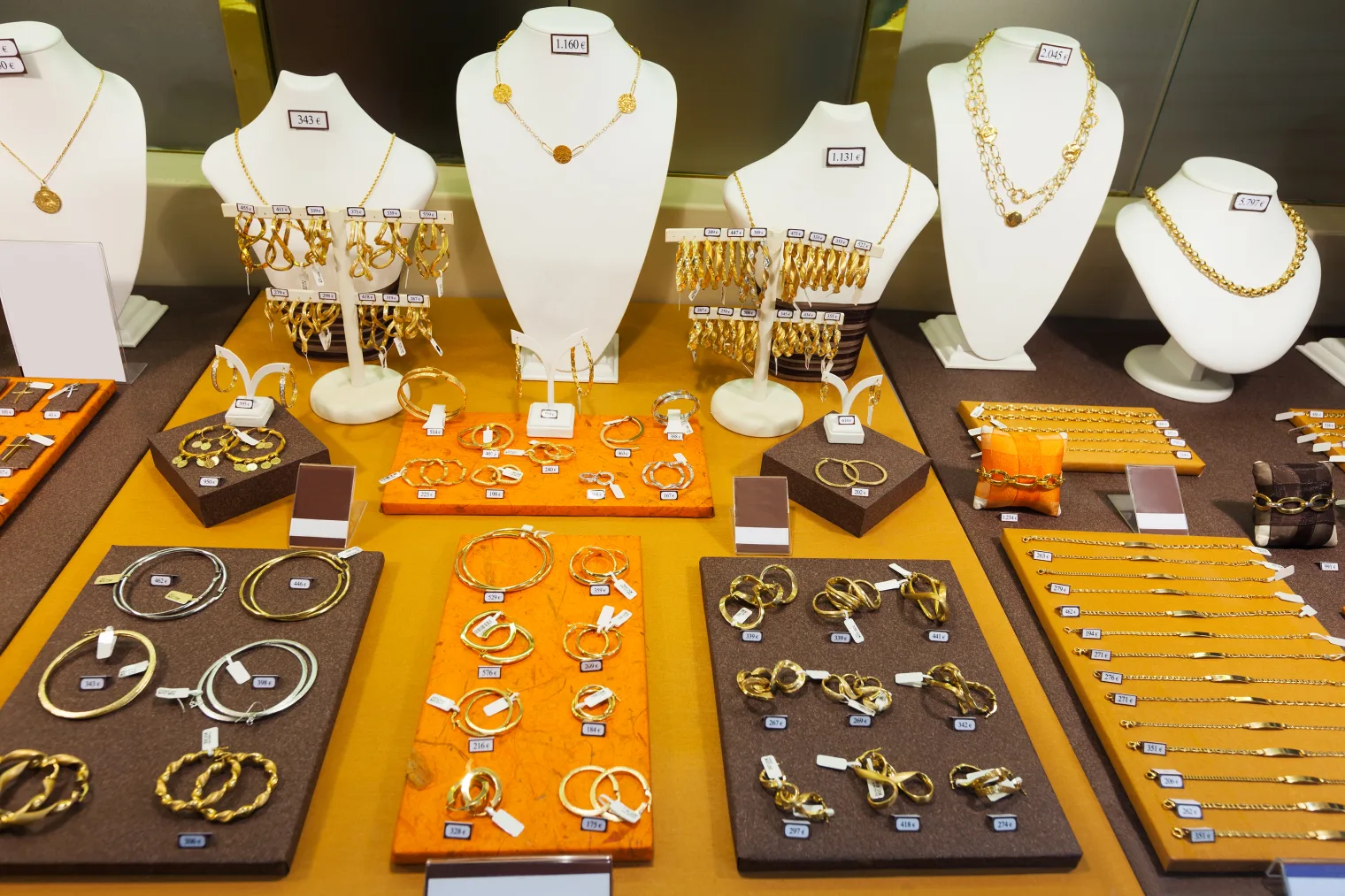
There is a world of difference between solid gold and the plated or gold-filled pieces that fill many jewelry counters. Plated items have only a microscopic layer of gold over a base metal, and that layer wears away, leaving you with something that tarnishes and fades within a year or two.
Solid gold, by contrast, is the real thing all the way through. It does not tarnish, it holds up to daily wear, and it retains its value in a way costume jewelry never will. Yes, it costs more upfront, but when you factor in how long it lasts and how well it ages, it is almost always the smarter buy. Think of it as an investment in something you will still love and wear years from now.
Understand Karats and Materials
The first thing to learn is what the karat number actually means. Karats measure the purity of the gold, and for everyday jewelry, 14k and 10k are the sweet spots. Both are solid gold, with 14k offering a richer color and 10k being slightly more durable and affordable, so neither is wrong, it simply depends on your preference and budget.
It is also worth understanding the other materials that often accompany gold. Diamonds now come in both natural and lab-grown forms, with lab-grown offering the same look and durability at a lower price, while pearls add a softer, classic touch. If sustainability matters to you, look for pieces made from recycled gold, which carry the same quality with a lighter footprint. Knowing these basics lets you compare options honestly rather than being dazzled by marketing.
Prioritize Craftsmanship and Heritage
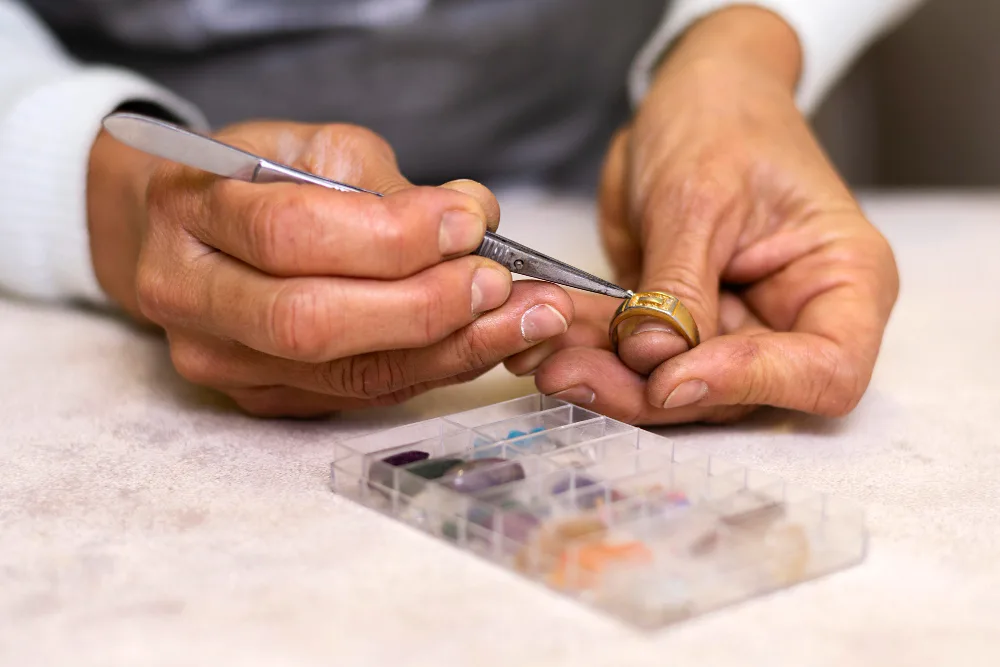
Once you know the materials, the next thing that separates a lasting piece from a disappointing one is how it is made. Mass-produced jewelry can look fine in a photo but reveal its shortcuts quickly, with flimsy clasps, thin chains and finishes that dull. Genuine craftsmanship shows in the details and in how a piece feels and wears over time.
This is where heritage makers stand out. A brand like eneastudio.com, run by a family of Athens goldsmiths who have practiced their craft since 1953, is a good example of the kind of quality worth seeking out. Pieces made by hand by experienced goldsmiths, from solid and often recycled gold, and backed by a proper warranty, tend to be the ones that survive decades of everyday wear. When you are spending real money on jewelry, the maker’s track record and hands-on craft matter just as much as the materials themselves.
Choose Timeless, Everyday Pieces
It is tempting to chase whatever style is having a moment, but the pieces you will treasure longest are almost always the understated classics. A dainty chain, a simple solitaire, a pair of gold hoops or a delicate diamond station necklace never go out of fashion and pair with everything.
Look for versatile designs you can wear on their own or layer together, and that transition easily from a workday to a night out. This is the whole appeal of everyday fine jewelry: rather than sitting in a box for special occasions, it becomes part of your daily uniform. When in doubt, choose simple and well-proportioned over flashy, since a refined piece flatters far more outfits and moods than a statement one ever will.
Buying Fine Jewelry as a Gift
If you are shopping for someone else, fine gold jewelry is a wonderful gift, though it helps to play it smart. Dainty, adjustable pieces such as bracelets, delicate necklaces and simple stud earrings are the safest bets, because they suit almost anyone and avoid tricky sizing.
Before you buy, check the return and exchange policy, and favor retailers that offer free returns and a solid warranty in case the fit or style is not quite right. If you can, take a quiet look at what the person already wears to gauge whether they lean yellow, white or rose gold. A thoughtful, well-made piece speaks volumes, and the fact that it will last for years only deepens the sentiment behind it.
Conclusion
Choosing fine gold jewelry does not have to be intimidating once you know what to look for. Favor solid gold over plated, understand the karats and materials, prioritize genuine craftsmanship, and lean toward timeless pieces you will actually wear every day.
Do that, and you end up with something far more valuable than a quick purchase: a piece that holds its beauty, keeps its worth and carries meaning for years to come. In a culture of disposable everything, that kind of lasting quality is worth every bit of the care you put into choosing it.