Thinking of giving home-brewing a go? Whether you want to make your own beer, wine or cider, having the right equipment is the first step towards getting started. This means investing in some essentials, from brewing vessels to cleaning supplies – each bit does its part to get the brew done.
One item you won’t want to overlook is a good fermenter. There are several styles, sizes and designs to pick from, after all, so where on earth do you start?
What Is a Fermenter and Why Do You Need One?
A fermenter is basically a container that holds your brew while fermentation does its magic. This is where the yeast gets cracking, turning the sugars in your brew into booze and that fizz you love. As the brew gets on with it, the flavours, the aroma and the overall character all start to develop.
But a fermenter is more than just an ingredient bucket – it’s also your brew’s safety net. It provides the right environment for fermentation and keeps the unwanted nasties like bacteria and wild yeast from ruining the whole thing. Most quality fermenters are fitted with an airtight lid and an airlock too. This lets the CO2 produced during fermentation escape while stopping any outside air from getting in.
Having the right fermenter for the job makes the whole process a whole lot easier; you can keep an eye on how the brew’s getting on and transfer it to a new container when it’s done. Without a decent fermentation vessel, you’re asking for trouble trying to keep everything just right and the brew safe.
Different Types of Fermenters
Not all fermenters are created equal. They come in different shapes and sizes, made from different materials, each with its own pros and cons depending on what you’re brewing and how you like to work. You’ve got big options for making large batches of beer, and smaller setups for wine and cider. If you can get a handle on what’s out there, then you shouldn’t have too much trouble finding one that fits your needs.
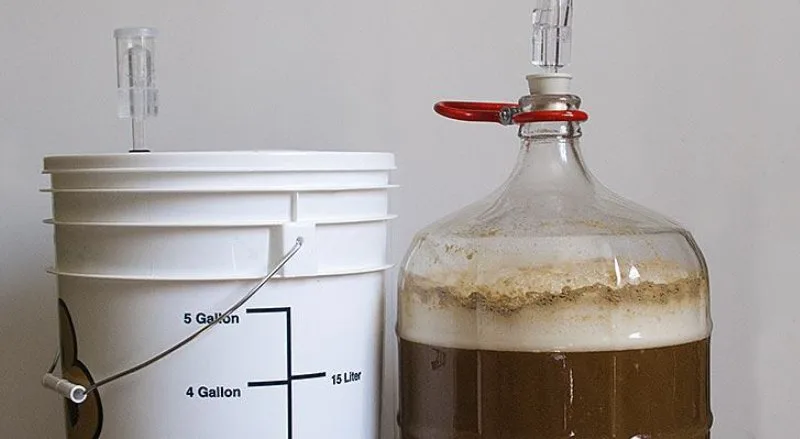
Plastic fermentation buckets are super popular with beginners. They’re light, easy on the wallet, and a breeze to handle – all in all, a pretty practical choice for everyday homebrewing. Plus, they’ve got big, wide openings that make adding ingredients, cleaning the inside, and transferring your brew a whole lot easier once the fermentation is done. Lots of them come with lids that can take an airlock, which keeps the CO2 out but keeps bugs at bay too.
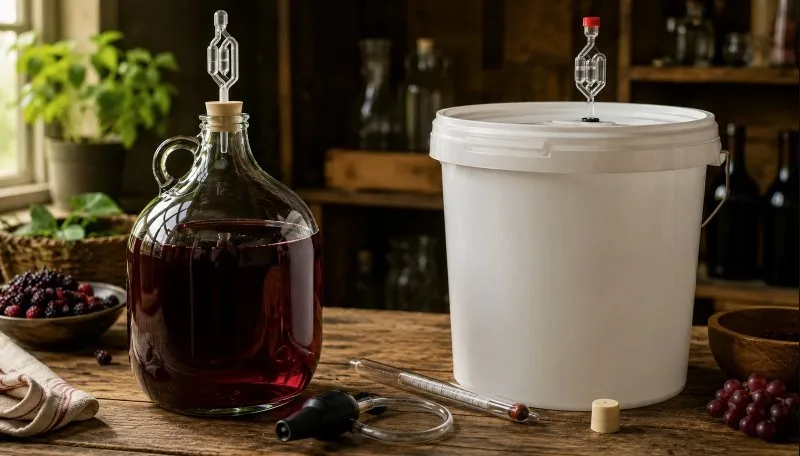
Glass demijohns are a staple for making wine and cider – especially when you’re working with small batches or transferring to secondary fermentation. Glass is pretty amazing because it’s non-porous, so it won’t absorb all the nasty flavours and odours that come from previous batches if you keep it clean. Plus, because it’s see-through, you can keep an eye on things without having to open it up. On the downside, glass is a bit heavier and more fragile than plastic, so you have to be a bit more careful when handling them.
PET demijohns are a lighter alternative to glass that’s made from food-grade plastic. They’re a lot easier to move around and less likely to shatter if you knock them over, so they’re a good option if you’re worried about breaking a glass. They’re transparent, so you can keep an eye on what’s happening with your brew, and they’re perfect for making small batches of wine and cider. If you like the shape of a demijohn but want something you can just pick up and go, then PET is worth checking out.
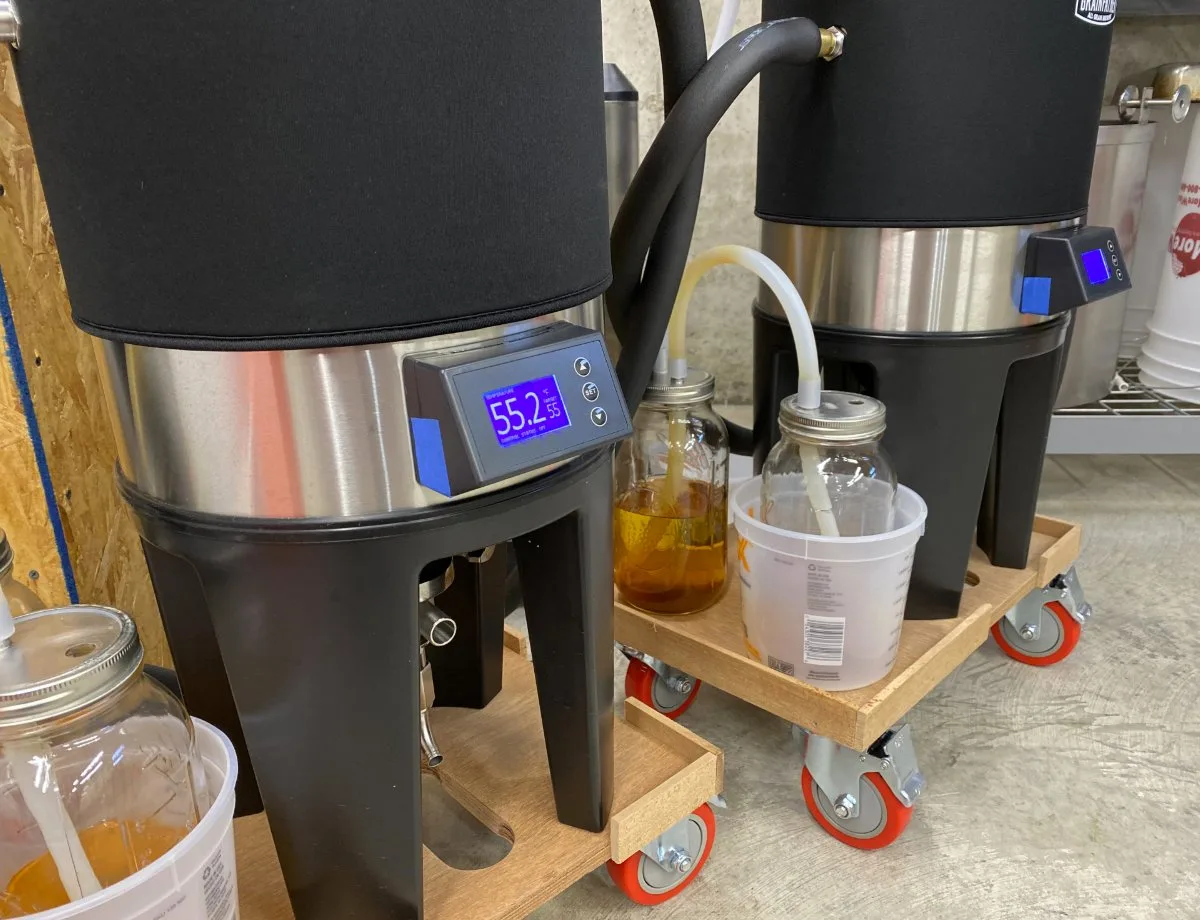
If you’re after something a bit more high-tech, conical fermenters are worth a look. They’re designed to make the brewing process a bit easier, and they do that by letting the yeast and sediment collect at the bottom – so you can just scoop it out and be done with it. No more transferring the whole batch into another vessel. They’re especially useful if you’re brewing regularly or want a bit more control over the whole setup.
What Size Fermenter Will You Need?
Once you’ve figured out the right kind of fermenter for your needs, the next thing to consider is its capacity. Just like other brewing equipment, fermenters come in different sizes. Choosing the perfect one for the job depends mainly on just how much beer, wine or cider you plan on making at any given time. If you’re just starting to get into brewing, a smaller one’s probably all you need to begin experimenting with a few different recipes. But if you’re planning on brewing bigger batches all the time, a bigger vessel is probably a worthwhile investment.
There’s one important thing to keep in mind with fermentation equipment – they shouldn’t be filled right to the very top. During fermentation, yeast is churning out copious amounts of carbon dioxide and creating this thick layer of foam called krausen – especially if you are brewing beer. Don’t fill them up to the brim. Leave some empty space (that’s often called headspace) to stop foam and liquid from splashing out of the airlock.
As a general rule of thumb, choose a fermenter with a bit more room for growth than you need for your biggest batch. So if you’re planning on making 20 litres of beer, a 25 litre fermenter will give you a bit of extra breathing room for the fermentation stage. Which is exactly why you should probably have a read of the guidance for your specific recipe.
Features to Consider When Choosing a Fermenter
Right, now you know the size and type of fermenter you need; take a look at a few nitty-gritty details that can make a big difference in how easy homebrewing is. Whether you’re looking at a feature that’s going to make your life easier when it comes to fermenting, handling your brew or just keeping your kit clean between batches, small things can add up.
Getting a good seal on your fermenter with a lid is crucial – it keeps dust, insects and all sorts of unwanted stuff from getting into your brews. Most fermenters use an airlock too, to let the carbon dioxide out during fermentation but also keep the air out. Make sure the airlock has a decent fit on your fermenter – you don’t want it leaking or getting contaminated.
Cleaning and sanitising your kit is just about the most important part of brewing, so look for a fermenter that’s easy to get in and around. Ones with a big opening are much easier to get at, and smooth surfaces can stop all the crud building up in the bottom.
Some fermenters come with a built-in tap or spigot, which is a massive help when it comes to transferring your brew into another vessel or bottles. No more straining yourself to lift a full fermenter or having to be careful not to spill it all over the place. Although it does mean you have to take extra care to clean and sanitise the tap and fittings to avoid any nasties getting in.
Clear markings for measuring are a useful thing to have, especially if you like to keep track of how much you’re brewing. It means you can check your liquid levels easily and keep to a recipe without getting lost. This can be a lifesaver when you’re brewing batches of different sizes.
Lastly, make sure the fermenter is made from food-grade materials that are safe for your brews and up to being cleaned on a regular basis. Think about how much use it’s going to get, too. A lightweight plastic fermenter might be easy to move around, but glass is non-porous – just be aware that glass is a bit more fragile, so handle it with care.