

6 minute read
Gaming is one of the most popular hobbies on the planet. More than 3 billion people all over the world play video games and enjoy mobile games and puzzles. Playing games offers a diverse range of benefits, from making friends and reducing the risk of loneliness to preventing stress and boosting your cognitive function. To help you take advantage of the many benefits gaming offers, we’ve put together this handy guide packed with simple, practical tips.
Explore different types of games
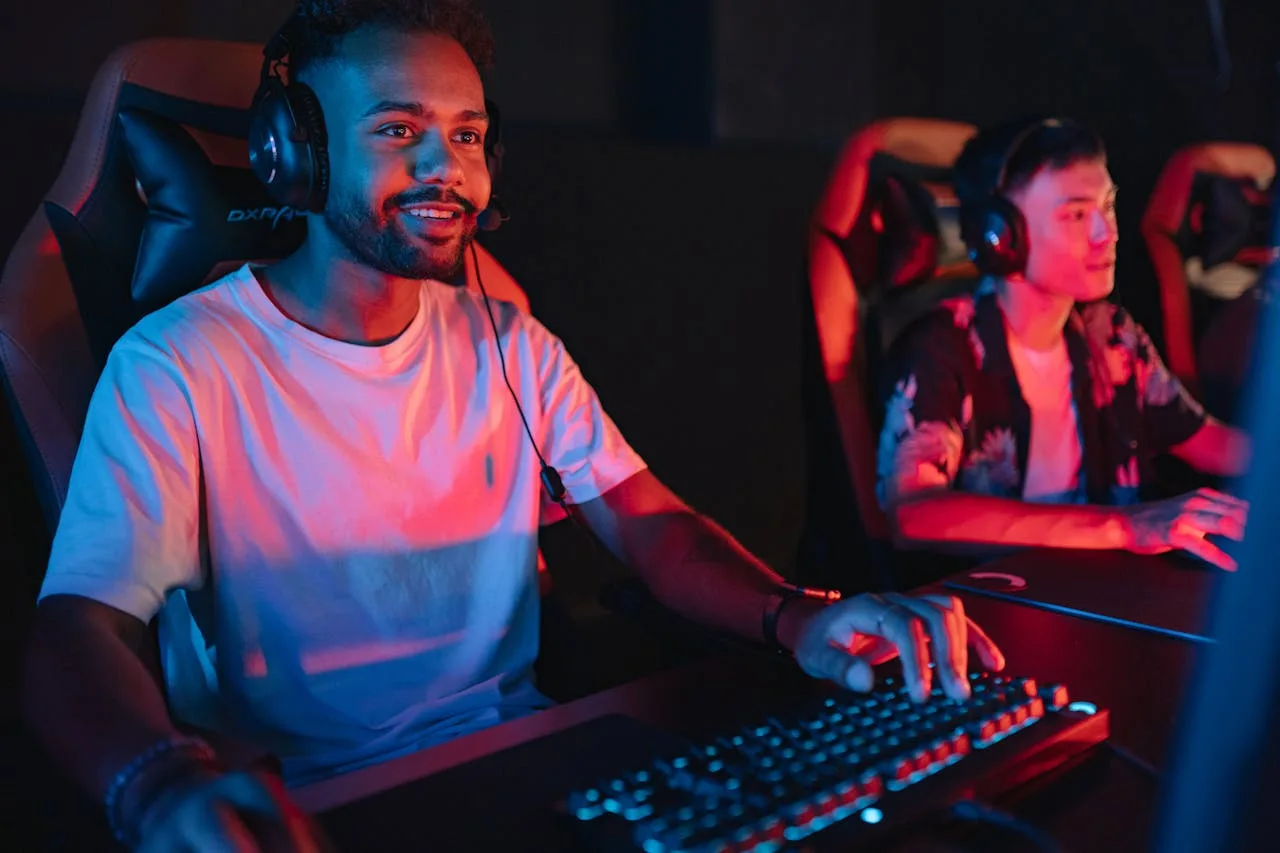
When we talk about gaming, it’s natural to conjure up images of consoles and headsets. Video games are incredibly popular, but there are all kinds of other games you can play. Examples range from online games, puzzles, and games you play on mobile apps to card games and board games. If you enjoy playing one type of game, there’s a good chance that you’ll find others fun, challenging or uplifting. It’s a great idea to explore different options, look for recommendations, take advantage of trials and demo modes and broaden your horizons. There’s a game for every mood and occasion. Being open to trying new things can help you enhance enjoyment, develop different types of skills, and benefit from different gaming experiences.
Create a go-to list of games for every mood
One of the top reasons to embrace gaming as a hobby is to capitalize on its ability to change your mood. Whether you’re frustrated, stressed, exhausted, bored or restless, or you’re looking for something fun or relaxing to do, playing games can help. It’s an excellent idea to create a list of go-to games you can call upon to lift your mood, help you feel calmer and more grounded, or provide hours of fun.
The range of games you can access via smartphones, tablets, laptops, computers and consoles is vast. Saving your favorites and compiling lists that align with your mood and playing goals makes it easy to take advantage of the mood-boosting benefits of games and puzzles. From popular word games and puzzles like Wordle, chess and Sudoku to help you focus, decompress, feel calm and forget about busy days at work to fast-paced football or driving video games to energize you or catapult to a different reality, there are options to suit everyone. If you have a selection of favorites, you can maximize every minute, no matter where you are or what time it is.
Learn continuously
Gaming is not just fun. It’s always a learning experience. Playing games teaches you new things and helps you develop new skills and hone existing abilities. To make the most of gaming, it’s beneficial to be open to learning continuously. You can do this by tracking your performance, setting targets, learning from results and feedback, and analysing your gameplay. You can build on successes and use mistakes to reduce the risk of errors or losses in the future.
Learning from other people is another fantastic way to improve. Whether you’re playing with or against others or you prefer to play alone, you can analyze gameplay and moves, read guides and articles, and see how experienced players develop their games.
Depending on the game you play or app you use, you may be able to access data linked to your previous matches, sessions or contests. This can help you gain valuable insights to address weaknesses and build on strengths moving forward.
Join groups and communities
Gaming can be a solo hobby, but studies show that most people play against or with other people. Around 72% of US gamers play with others either online or in person. This trend demonstrates the social opportunities gaming presents. If you want to challenge somebody or play with a pal or family member, you can do so very easily. If you don’t have anyone ready and waiting to play, you can find challengers online or take on the computer if you’re playing online games or doing puzzles.
In addition to teaming up with friends, colleagues, and family members, you can also enjoy the social benefits of gaming by joining communities, groups, online forums, and in-person societies and clubs. By doing this, you’ll have access to a pool of people who share the same interests and are looking to make friends, share tactics and tips, and add an extra dimension to their gaming experiences.
It’s important to recognize the social opportunities gaming offers, especially for young people, older people and those who feel anxious in conventional social situations. Loneliness is most common among these groups. Social media, online forums, and community groups can bring people together and help them form new relationships and develop confidence.
Use gaming to combat early signs of stress
Managing, reducing, and preventing stress are among the most important benefits of hobbies like gaming. Playing games can help you beat stress by providing escapism, lifting your mood, giving you something positive to focus on, and delivering a fun experience.
To capitalize on these benefits, it’s useful to learn to spot early warning signs and triggers and know when to use coping mechanisms to improve your mental health. Common signs of stress include a faster heart rate, feeling restless and irritable, poor sleep quality, feeling overwhelmed, headaches, and changes in your mood. If you’ve had a bad day or a long week, for example, having tools at the ready will help you cope. Choose games that match your mood and will help you feel better. Perhaps you want to travel to a mystical land, take your frustration out on enemies, or sink your teeth into a brain-busting puzzle, for example.
Gaming is a hobby we often associate with fun and entertainment, but it offers so much more. There are many benefits to embracing gaming as a hobby, from improving your memory and cognitive function to making new friends, learning new skills, and reducing stress. Taking simple steps can help you capitalize on the incredible benefits of playing games and doing puzzles. Examples include exploring different types of games, creating a go-to list to suit your mood, learning continuously, joining groups and communities, and using gaming to combat the early signs of stress.