Your home can start feeling small, dated, or just awkward long before it stops being functional. A remodel gives you a chance to fix the parts that quietly annoy you every day, but the process can get expensive and chaotic fast. If you want better results and fewer regrets, you need more than design inspiration. You need a solid plan, realistic expectations, and a clear sense of what matters most before the dust starts flying.
Start With the Problems You Actually Need to Solve
Before you pick tile, paint, or trendy light fixtures, take a hard look at what isn’t working in your space. Maybe your kitchen traps traffic like a bad airport terminal. Maybe your bathroom has no storage, or your living room lighting makes everything look slightly haunted.
Write down your daily frustrations first. Then separate needs from wants. A leaking shower, poor layout, and failing cabinets belong in the need category. A built-in coffee bar may be a want, even if it feels emotionally essential.
This step keeps your project grounded. It also helps you explain your goals clearly to designers and contractors. When you know the problem, you can judge whether a proposed solution actually improves your life or just looks good in a photo.
Choose the Right Team, Not Just the Lowest Bid
The contractor you hire will shape your experience as much as the design itself. Price matters, but communication, reliability, and process matter just as much. A suspiciously low bid can signal shortcuts, vague pricing, or painful surprises later.
When comparing professionals, ask detailed questions about timelines, subcontractors, material sourcing, payment schedules, and change orders. Look for clear answers, not polished sales talk.
If you’re considering a full-service remodeling company, pay attention to how they handle planning as well as construction. A strong team should help you refine scope, identify hidden costs, and explain trade-offs before work begins.
Also check reviews with a critical eye. One glowing comment means little. Repeated praise for punctuality, craftsmanship, and responsiveness tells you far more about what your own experience may look like.
Set a Budget That Includes the Stuff People Forget
A remodeling budget should cover far more than visible materials and labor. You also need room for permits, delivery fees, demolition, temporary storage, utility updates, and surprise repairs hiding behind walls. Homes love secrets, and many of them cost money.
A smart approach is to split your budget into categories:
– Construction and labor
– Fixtures and finishes
– Appliances or specialty items
– Permit and inspection costs
– A contingency fund of 10 to 20 percent
That last item matters more than people want to admit. Once work begins, old plumbing, uneven subfloors, or outdated wiring can appear without warning.
If your numbers already feel tight before construction starts, scale the plan back early. It’s easier to shrink the scope on paper than halfway through a torn-apart kitchen with your coffee maker living in the garage.
Know When DIY Helps and When It Quietly Wrecks the Project
Doing some work yourself can save money, but only if you’re realistic about your skill level. Painting walls, removing old hardware, and basic demolition may be manageable. Electrical changes, plumbing relocation, and structural work sit in a very different league.
A bad DIY job often costs more to fix than it would have cost to do properly from the start. That’s especially true when your mistakes delay inspections or affect other trades.
Think about time as well as money. If you work full-time or share the home with family, your schedule may not support a long, hands-on renovation. Saving a few hundred dollars doesn’t feel impressive when your project drags on for months.
Use DIY where it makes sense, but don’t treat your house like a training simulator for complex systems hidden behind drywall.
Focus on Layout and Function Before Finishes
People often spend hours debating countertop color while ignoring the room’s actual usability. That’s backward. A beautiful remodel with poor flow still feels annoying every day.
Start with how you move through the space. In a kitchen, think about prep zones, appliance access, and storage near the items you use most. In a bathroom, think about clearance, lighting, and where towels, toiletries, and cleaning supplies will go.
Small functional choices can have a huge impact:
– Deep drawers instead of lower cabinets
– Task lighting near mirrors and counters
– Outlets where you really use devices
– Wider walkways in high-traffic areas
– Storage designed around your actual habits
Finishes still matter, of course. You live with them visually. But layout determines whether the remodel feels smooth and practical or mildly irritating in ways you’ll notice every single morning.
Expect Disruption and Plan for It Like an Adult
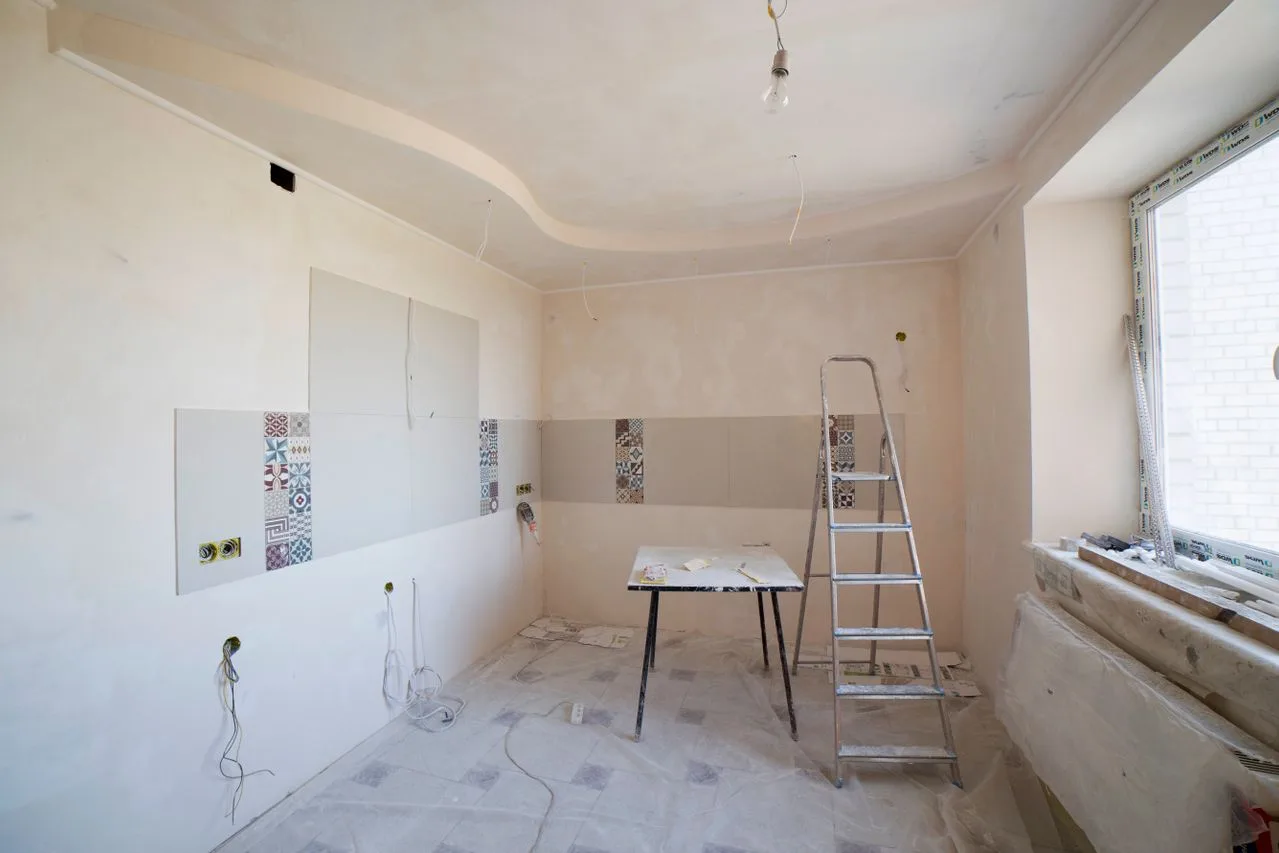
Renovation looks exciting in before-and-after posts. Living through it is another story. Noise, dust, delays, worker schedules, and partial room access can turn normal routines into logistical puzzles.
If you’re remodeling a kitchen, decide how you’ll handle meals for several weeks. If it’s a bathroom, work out backup arrangements before the old one is unusable. If you work from home, think about meetings, tools, and the soundtrack of cutting tile during business hours.
A few practical moves help a lot:
– Pack nearby items before demolition starts
– Protect valuables and electronics from dust
– Create temporary cooking or storage zones
– Confirm work hours in advance
– Keep a written record of decisions and changes
Stress drops when you prepare for inconvenience instead of acting shocked by it. Remodeling is a temporary disruption in exchange for long-term improvement, but temporary can still feel very loud.
Think Beyond Trends So the Remodel Ages Well
Trends can be fun, but they move fast. What feels fresh now can look oddly dated sooner than expected, especially with highly specific colors, shapes, or finishes. If you’re investing serious money, balance personality with staying power.
A practical strategy is to keep expensive elements timeless and add trend-forward details in easier-to-swap pieces. Cabinets, flooring, and major tile selections usually benefit from restraint. Hardware, wall color, lighting, and decor give you more room to experiment.
Also think about resale, even if you don’t plan to move soon. You don’t need to design for strangers, but extremely personal choices can limit appeal later.
The best remodels don’t chase every passing style wave. They make your home function better, feel more comfortable, and hold up visually for years. That combination tends to age far better than anything that looked irresistible for six weeks on social media.
Wrap Up With Decisions You Won’t Regret Later
A successful remodel isn’t just about making your home look better. It’s about making it work better for the way you actually live. Clear priorities, a realistic budget, a trustworthy team, and a little patience can save you from expensive missteps.
If you stay focused on function, plan for disruption, and make choices with long-term value in mind, your remodel has a much better shot at feeling worth every penny. The goal isn’t perfection. The goal is a home that feels smarter, more comfortable, and a lot less annoying to live in every day.