A first day in the Smoky Mountains can go one of two ways. You can cram in too much, get tired by lunch, and spend the rest of the day searching for coffee and patience. Or you can keep things simple and actually enjoy where you are. If you want your trip to feel easy from the start, a relaxed game plan works best. You do not need to do everything on day one. You just need a few smart stops, comfortable gear, and enough wiggle room to let the day surprise you.
Start With A Simple Plan
Your first day should feel like an arrival, not a race. That means giving yourself a short list of things you want to do and letting the rest unfold naturally. If you try to squeeze in every overlook, trail, and snack stop before dinner, your vacation can start to feel like unpaid homework.
A simple plan usually works better. Pick one main area to explore, one easy activity, and one flexible stop. That gives you structure without turning the day into a military operation with granola bars.
It also helps to think about your group’s energy. If you are traveling with kids, early risers, or people who need a slow morning, build around that. A relaxed start usually means fewer complaints later.
The goal is not to see everything. The goal is to enjoy enough of it that you want to come back tomorrow.
Begin At The Visitor Center
Every good day in the Smokies runs smoother with a proper starting point. A visitor center gives you that anchor, a place to get your bearings before the trails and drives pull you in different directions. One of the smartest first stops you can make is the Sugarlands Visitor Center, sitting just a few miles south of the Gatlinburg entrance. It gives you a practical way to prepare before you head deeper into the park, especially if you are still figuring out what kind of day you want.
Inside, you can watch a free 20-minute film, walk through the natural history exhibits, and browse a bookstore covering everything from scenic drives to local wildlife. Rangers are on hand if you want current trail conditions or a good hike for the family, which beats guessing and hoping your phone signal suddenly becomes heroic.
It is also a good place to reset after the drive. You can use the restrooms, stretch your legs, and get everyone on the same page before moving on. Several trails leave from right outside the building, including the Gatlinburg Trail, so you can even start walking the moment everyone is ready.
Pick An Easy Scenic Stop
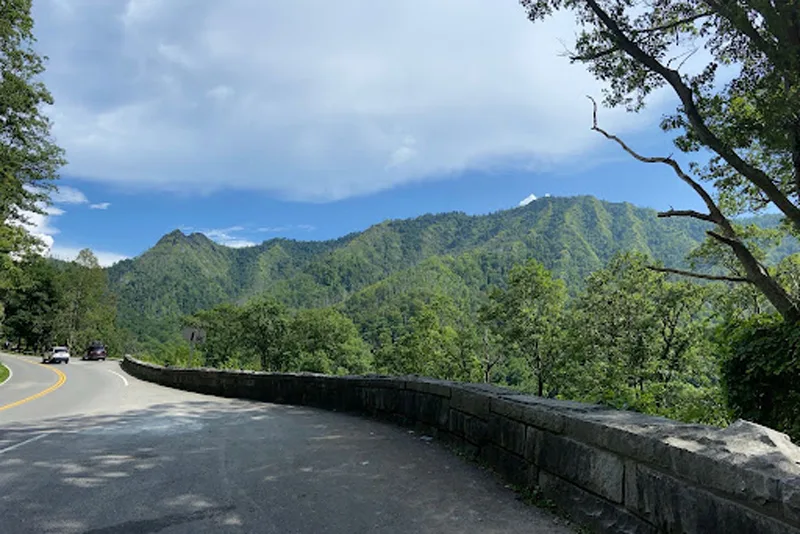
After your first stop, keep the momentum easy. Choose one or two scenic places that do not require a huge time commitment or a full hiking mindset. The best early stops are the ones that let you enjoy the views without turning the day into a sweaty survival challenge.
Look for spots with short walking paths, easy pull-offs, or overlooks where you can spend ten minutes or an hour, depending on your mood. That flexibility matters. Some places instantly click and make you want to stay longer. Others are more of a quick wow, photo, and move along.
If you are traveling with family or friends, simple scenic stops also keep everyone happier. Not every person in your group wants to tackle a long trail on day one. Some people just want mountain air, pretty views, and maybe a snack they did not have to earn.
Pack For Comfort
A relaxed day still goes better when you pack like someone who has met weather before. The Smokies can shift quickly, so bring layers even if the morning feels perfect. A light jacket or hoodie can save you from becoming dramatically cold halfway through the day.
Water is the big one. Bring more than you think you need, especially if you are doing even a short walk. Add a few easy snacks too. Granola bars, fruit, crackers, or trail mix can rescue the mood when hunger sneaks up on your group.
Comfortable shoes matter more than stylish ones. This is not the day for slippery sandals or shoes that only look outdoorsy. Your feet will notice.
A few extras help too:
- Phone charger or power bank
- Sunglasses
- Small backpack
- Tissues or wipes
- Basic sunscreen
You do not need to pack for an expedition. You just want enough gear to stay comfortable and avoid preventable nonsense.
Leave Room For Detours
Some of the best travel moments happen when you stop trying to be efficient. Maybe you spot a quiet pull-off with an amazing view. Maybe someone notices wildlife in the distance. Maybe you pass a place that looks worth a quick visit just because it feels right.
That is why leaving room in your schedule matters. If every hour is booked, you miss the little surprises that make a day memorable. A relaxed plan lets you say yes to a short unplanned walk or a snack stop without feeling like you are ruining the itinerary.
You do not need every detour to be spectacular. Sometimes a simple creekside pause or a few extra minutes at an overlook is enough to become the part you talk about later.
Think of it this way. A packed schedule checks boxes. A flexible one gives you stories. And stories are way more fun than saying, “We were on schedule all day.” Nobody brags about that.
End The Day Unrushed
A good first day should end while you still have a little energy left. That might sound boring, but it is actually smart. If you push until everyone is worn out, the ride back feels longer, dinner gets grumpier, and tomorrow starts slower than it should.
Try wrapping up before you hit full exhaustion. That gives you time to freshen up, eat something decent, and talk about what you want to do next. It also helps you notice what worked. Maybe your group loved scenic stops more than trails. Maybe you all want a slower morning tomorrow. Day one teaches you a lot.
Ending unhurried also keeps the trip feeling like a break instead of a challenge. You want to leave the park tired in a good way, not flattened like a granola bar at the bottom of a backpack.
When your first day stays simple, the rest of the trip usually feels easier too.