



5 minute read
Taking care of your ears is essential for maintaining good hearing and preventing discomfort or infections. Your ears are delicate, and improper cleaning methods can lead to irritation, blockages, or even damage to your eardrum. Understanding the safest ways to clean them ensures that your ears stay healthy while avoiding unnecessary risks. Many people clean their ears incorrectly, often using tools or techniques that can do more harm than good.
Understanding Earwax and Its Role
Earwax, also known as cerumen, is a natural substance produced by your body to protect and clean your ears. You might need to clean your ears if you experience symptoms like muffled hearing, earache, or a feeling of fullness in your ears. Searching for ear cleaning near me online can help you find local professionals who can safely address these concerns and provide expert care. If you notice these signs, it’s time to consider a safe cleaning approach or consult a professional. However, it’s important to avoid assuming these symptoms always mean wax buildup—they could signal an underlying condition requiring medical attention.
Earwax traps dust, debris, and microorganisms, preventing them from reaching deeper into your ear canal. Contrary to popular belief, earwax is not a sign of poor hygiene. Instead, it’s a critical part of your body’s self-cleaning mechanism.
Step 1: Avoid Harmful Tools and Practices
Many common ear-cleaning methods can be harmful, even if they seem effective. Avoid using cotton swabs, hairpins, or any sharp objects to clean your ears. These tools can push wax deeper into the canal or even perforate your eardrum. This is one of the most critical steps to ensure long-term ear health.
The Risks of Cotton Swabs
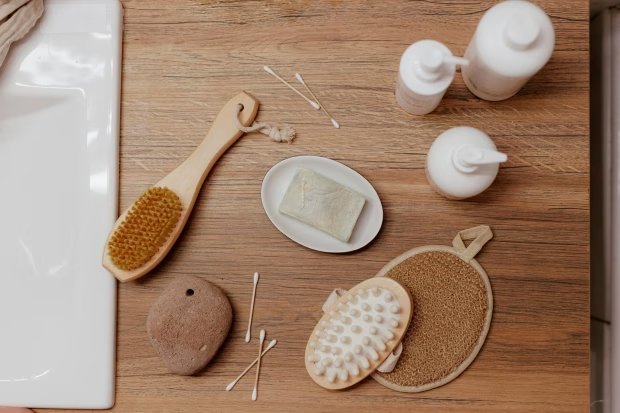
Cotton swabs are one of the most misused items when it comes to ear care. While they may remove surface wax, they often push wax further into the canal, increasing the risk of blockages and irritation. Furthermore, using cotton swabs can scrape the delicate skin inside your ear canal, leading to micro-injuries and potential infections.
Dangers of Ear Candling
Ear candling is a popular alternative remedy, but it is not safe or effective. The practice can cause burns, wax buildup, or even damage to your ear canal. It’s best to avoid this entirely and opt for proven methods. Medical professionals strongly advise against this practice due to its high risk of injury and lack of scientific backing.
Step 2: Use Safe Cleaning Methods
When it’s time to clean your ears, stick to methods that are gentle and recommended by healthcare professionals. Most of these methods are simple and can be done at home. Gentle, consistent care is often all you need to maintain healthy ears.
A warm, damp washcloth is one of the safest ways to clean the outer parts of your ears. Gently wipe around the entrance of your ear canal to remove any visible wax or dirt. Avoid inserting the washcloth into your ear canal to prevent accidental damage.
Over-the-counter ear drops can help soften earwax, making it easier for your ears to naturally expel it. Follow the instructions on the product to avoid overuse or irritation. These solutions are particularly useful for individuals prone to wax buildup or those with narrow ear canals.
Step 3: Recognize When to Seek Professional Help
Sometimes, at-home cleaning methods aren’t enough to address your ear concerns. Knowing when to consult a professional can save you from unnecessary complications. Timely medical intervention can prevent minor issues from escalating into major problems.
If you experience persistent pain, discharge, or hearing loss, it’s time to see a healthcare provider. These symptoms could indicate an infection, wax impaction, or other underlying issues. Additionally, if your ear feels clogged and doesn’t improve with gentle cleaning, a professional assessment is essential.
Step 4: Maintain Healthy Ear Habits
Preventing wax buildup and keeping your ears clean doesn’t require frequent cleaning. Instead, focus on maintaining healthy ear habits to reduce the need for intervention. Consistency in care is often more effective than over-cleaning.
Moisture in your ears can lead to infections. Dry your ears thoroughly after swimming or bathing to prevent bacteria or fungi from thriving. Consider using earplugs or a swimming cap to keep water out during activities that expose your ears to moisture.
Avoid Loud Noises
Protecting your ears from loud noises can also preserve your hearing and reduce the likelihood of wax compaction due to vibrations in the ear canal. Using noise-canceling headphones or earplugs in noisy environments can significantly reduce your risk of long-term hearing damage.
Proper ear care is essential for maintaining your hearing and overall ear health. By understanding the role of earwax and avoiding harmful practices, you can safely clean your ears without causing harm. Gentle cleaning methods and knowing when to seek professional help are key steps in this process. Caring for your ears doesn’t have to be complicated. With the right approach, you can keep them clean and healthy, avoiding discomfort or damage.