


6 minute read
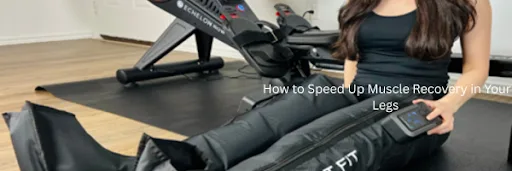
High-intensity training can strain your leg muscles, causing excruciating soreness and fatigue. Your woes may be compounded by poor habits like overtraining, dehydration, and inadequate rest.
Strenuous workouts may also lead to full-blown DOMS. Short for Delayed Onset of Muscle Soreness, DOMS is a workout-related condition characterized by muscle pain and stiffness that occurs after periods of rigorous physical exercise.
Most instances of DOMS last 24 – 48 hours. However, the intense aching can cause annoying downtimes, impacting your workout routine and overall quality of life.
The good news is that you can accelerate your post-workout recovery using certain natural interventions. In this post, we explore various natural ways to accelerate the healing of your leg muscles.
1. Invest In Recovery Legs
Increasing blood circulation throughout the body is key to accelerating post-workout recovery. And that’s where premium-quality recovery legs come in.
Also known as recovery boots or compression massage boots, recovery legs are inflatable devices that use compression force to stimulate blood circulation in your legs.
Recovery legs push arterial and venous fluid out of the muscles in your legs, forcing it back into the circulatory system. This action creates a temporary void that’s filled with the oxygenated blood flowing in from the heart.
Note that the muscles require a constant supply of oxygen and essential nutrients to recover fully from workout-induced damage.
By creating a vacuum in your legs’ arteries and veins, compression massage boots induce blood flow to these vessels. The fluid that’s pushed back to the circulatory system carries with it various metabolic waste products like lactic acid, accelerating post-workout recovery.
Studies on the efficacy of compression massage boots have shown that they can, indeed, boost blood flow and alleviate muscle soreness.
Recovery legs come in different sizes. Pick a boot that aligns with the length and girth of your legs, considering both the thigh and calf circumferences. Other considerations while choosing pneumatic compression boots include desired comfort, portability, and battery specifications (runtime and average durability).
Lastly, we should point out that compression massage boots aren’t exclusively meant for leg usage. The wraps can be just as effective for accelerating muscle repair in your hands.
2. Increase Protein Intake
Protein is the building block for all muscles and tissues in the body. Therefore, it’s unsurprising that protein-rich foods can accelerate workout recovery.
Experts especially recommend increasing your intake of actin and myosin, the two contractile proteins noted for their role in muscle repair.
Some excellent protein sources include seafood, red meat, poultry, and legumes.
Besides actin and myosin, you could also prioritize foods rich in troponin, tropomyosin, nebulin, and titin. All these proteins play vital roles in aiding muscle recovery.
If you’re a professional athlete, you may also consider protein-based supplements.
3. Keep Hydrated
Water is involved in nearly all biological processes that aid muscle recovery.
For starters, blood is almost entirely water. So, staying hydrated indirectly supports blood circulation.
Drinking plenty of water may also soothe pain and inflammation. While the aching won’t disappear instantly, water decreases its severity by softening your muscles’ cartilage and lubricating the synovial fluid.
Water maintains electrolyte balance, too. Besides, it may decrease the risks of further injuries.
Fortunately, you don’t have to drink several gallons of plain water to keep hydrated. You could consider more palatable alternatives, such as smoothies and fruit juices.
4. Get Sufficient Sleep
Inadequate sleep is the root cause of numerous chronic ailments. It’s also one of the biggest impediments to post-workout leg recovery.
In a previous study, researchers found that people who sleep well at night demonstrated lower sensitivity to pain.
Like water, adequate sleep doesn’t make post-workout aching go away. But it can make it incredibly tolerable while it lasts.
Sleep may also reduce local inflammation, another unpleasant effect of strenuous workouts.
Moreover, growth hormones are most active during sleep. These chemicals play a central role in repairing micro-tears caused by muscle overexertion.
5. Administer Cold Water Therapy
Cryotherapy isn’t new. For centuries, humans have relied on this natural technique to relieve stress and promote overall wellness.
Cold water therapy improves muscle recovery by stimulating blood flow.
During the first few seconds of a cold plunge, your blood vessels constrict. But that sudden vasoconstriction is immediately followed by vasodilation, increasing blood circulation to your leg muscles.
To make the most of cryotherapy for post-workout recovery, ensure you administer the practice within the optimal temperature range of 50 – 59°F (10 -15°C).
You could start with warmer water and keep the sessions shorter, then build momentum gradually.
6. Heat Therapy
If you can’t stand cryotherapy’s frigid conditions, consider heat therapy instead.
Heat therapy improves post-exercise recovery by soothing numbness. It relaxes connective tissues, improving your muscle flexibility and range of motion.
Heat therapy also increases blood circulation, delivering oxygen and essential nutrients to damaged tissues. The technique is arguably more effective than cryotherapy since it doesn’t involve initial vasoconstriction.
Besides, applying heat therapy can reduce pain signaling by redirecting the brain’s focus from pain signals.
For the best outcome with heat therapy, aim for a temperature range of 95°F to 109°F (36°C to 45°C).
7. Perform Gentle Exercise
While grappling with post-workout soreness, most people would choose to relax rather than engage in further physical activity. So, this may sound like a counterintuitive approach to muscle recovery.
However, performing gentle exercises can shorten workout downtimes significantly.
Exercise improves muscle flexibility, enhancing your range of motion. It enables you to go about your normal routines while recovering from a rigorous workout.
Besides, low-intensity workouts can promote mental relaxation by activating the release of endorphins.
Common exercises to consider include stretching, jogging, and swimming.
8. Consider Supplements
The supplement market teems with products formulated precisely for workout buffs. Taking these compounds during and after workouts may help accelerate your recovery.
While options abound, consider workout supplements formulated with creatine monohydrate.
Studies have shown that creatine can enhance athletic performance by helping to repair muscle damage.
Protein powder is another popular fitness supplement to consider. These products are typically enriched with muscle-friendly protein sources, which speed up recovery and boost your overall muscle mass.
Common protein powder ingredients include soy, casein, and whey proteins.
Final Word
Post-workout muscle soreness and fatigue can significantly slow down your workout routine. Depending on the duration of the aching, it could impact your overall productivity.
Not the ideal experience for professional athletes and fitness freaks!
By implementing the above tips, you can expedite post-workout recovery and get back on your feet. The fact that these are all natural interventions means you can safely use them together without experiencing any unpleasant side effects.