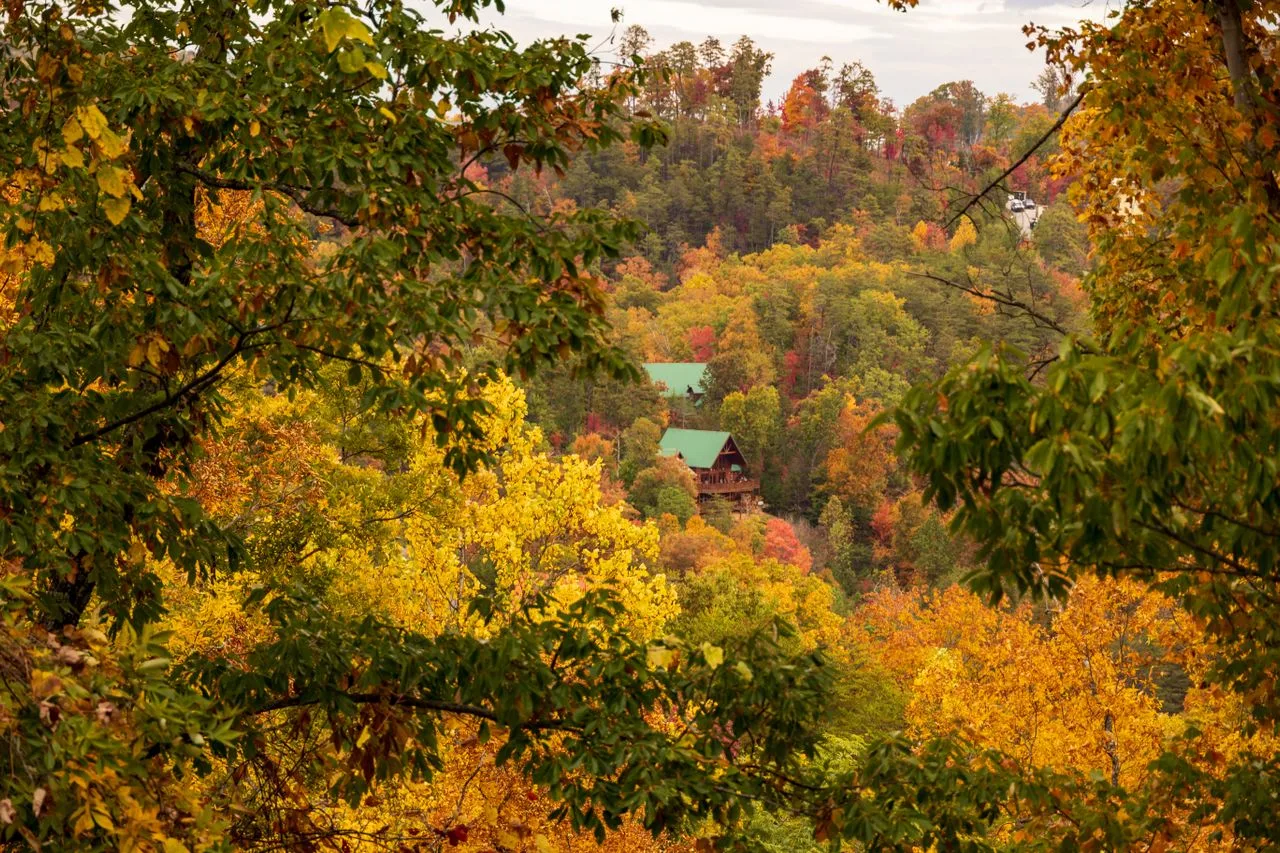
A vacation in the Smoky Mountains rarely fails because of the mountains. It fails because of the hours spent getting from one part of them to another. Visitors arrive with a long list of places they want to see, and by the second morning they notice that a surprising share of the trip is being spent behind the wheel, watching brake lights instead of scenery.
The area around Pigeon Forge is compact on a map but slow in practice, especially during the busiest weeks of the year, and the difference between a relaxed trip and a tiring one usually comes down to how much of the day is given away to the road. The good news is that most of that lost time is avoidable with a few simple decisions made before the trip even begins.
Where You Stay Sets the Pace of the Whole Trip
The single biggest influence on how much of your vacation disappears into the road is not your schedule or your energy level, but the point you set out from each morning. Travelers who book cabins on price alone often find themselves crossing the same stretch of parkway three or four times a day, backtracking for something left behind or driving the length of the region because the day was planned around a list rather than a map. A base chosen with the map in mind solves that quietly, putting the park entrances, the main road, and the quieter routes all within a short reach. Luxury Cabin Rentals offers exactly the kind of Great Smoky Mountains cabins Pigeon Forge visitors love. They feature one to twenty-six bedrooms, private indoor pools, game rooms, full kitchens, and hot tubs, so guests have far less reason to leave in the first place.
Why the Road Takes More of Your Day Than You Expect
Most people plan their trips as though the drive between two points will take exactly as long as the map suggests. In the mountains, it almost never does. Traffic builds in predictable waves through the middle of the day, parking areas fill early, and a route that takes fifteen minutes at eight in the morning can easily take forty by noon.
Add the time spent looking for a space, walking from that space to the attraction, and repeating the whole process in reverse, and a single outing can quietly consume two hours that never appeared in your plan. Recognizing this before you arrive changes how you build your days. Instead of asking how many things you can fit in, you start asking how many separate trips you are willing to make.
Grouping Your Days by Area Instead of by Interest
The easiest fix is also the least obvious. Rather than planning each day around a theme, such as a day for outdoor activities and a day for shows and shopping, plan each day around a single part of the region. Pick one area in the morning and stay there.
Walk between the places that sit close together, eat where you already are, and resist the temptation to cross the region for one specific stop you read about. You will see more, not less, because the time you would have spent driving becomes time spent looking around.
Using Early Mornings to Your Advantage
Mornings in the mountains are the closest thing to a shortcut you will find. Roads are clear, trailhead parking is open, and the light through the trees is at its best. A start before eight can give you two or three unhurried hours in places that will be crowded and slow by lunchtime. It also gives the rest of the day a different shape.
Once the main outing is behind you, the afternoon becomes free time rather than a race, and you can spend it close to where you are staying without feeling that you have missed anything. Travelers who try this once tend to build the rest of their trip around it.
Building In Days That Do Not Involve the Car
Not every day needs a destination. Some of the most memorable parts of a mountain vacation happen when nobody gets in the car at all. A slow morning with coffee on a deck, an afternoon reading while the weather moves across the ridges, a long evening meal with the people you came with: these are the parts of the trip people describe months later, and none of them require a drive.
Planning at least one of these days into a week-long stay protects the trip from the exhaustion that builds when every day has a start time. It also gives you a natural place to recover if the weather turns, rather than forcing you to sit in traffic looking for an indoor alternative.
Traveling With a Group Without Losing Hours to Logistics
Larger groups lose more time than they realize, because every departure becomes a negotiation. Two vehicles leave at different times, one group stops for supplies, another waits at the meeting point, and an outing that should have taken an afternoon takes the whole day.
The simplest solution is to agree on a small number of fixed moments each day, such as one departure time in the morning and one shared meal in the evening, and leave everything in between flexible. People who want to rest can rest, people who want to explore can explore, and nobody is sitting in a parked vehicle waiting for the group to assemble.
The Real Payoff of Planning Around the Map
Time is the only part of a vacation you cannot buy more of once it has started. Every hour spent on the road is an hour not spent on a trail, at a table, or on a porch watching the mist settle into the valleys.
Choosing where you stay with the map in mind, grouping your days by area, starting early, and building in the occasional day with no plans at all will give you back more of the trip than any amount of careful scheduling. The mountains reward people who slow down in them, and the surest way to slow down is to stop driving so much.