Hook: Cerebral palsy (CP) is the most prevalent motor handicap involving children. It affects approximately one in 345 children in the US.
Problem: Parents and caregivers often struggle to recognize early developmental signs of CP. Many are unsure when to seek help because of a lack of clear guidance. This delays professional evaluation.
Why it matters: Early diagnosis and intervention give children the best chance to build mobility, independence, and quality of life. Overlooking early signs can mean missing critical treatment opportunities.
Solution: This guide outlines three essential steps: recognizing early signs, understanding CP types and causes, and knowing what to do after diagnosis.
Proof: This framework is based on evidence‑based information from leading authorities on cerebral palsy and childhood developmental disorders. This includes the CDC and the National Institute of Neurological Disorders and Stroke (NINDS).
Who this guide is for: Parents, caregivers, and family members of children showing early developmental delays or newly diagnosed with CP.
What you’ll need: Knowledge of developmental milestones and access to medical records. Readiness to advocate for your child’s health is also needed.
Time to complete: One to two weeks to observe, document, and schedule evaluations. Ongoing implementation with healthcare providers.
WHY YOU CAN TRUST THIS GUIDE
Problem: Managing a CP diagnosis can be daunting. This is due to contradictory information and significant emotional implications.
Solution: This manual offers straightforward, clinically accurate, and practical actions based on recognized medical protocols.
Proof: This data reflects the consensus of pediatric neurologists. It’s supported by established neurological research.
Step 1: Recognize Early Signs and Symptoms of Cerebral Palsy
What you’re doing: Learning to spot early warning signs in infants and toddlers. This facilitates immediate evaluation and intervention.
Why it matters: Early treatment improves outcomes. Children have a much better chance of overcoming their developmental obstacles when diagnosed early.
How to do it:
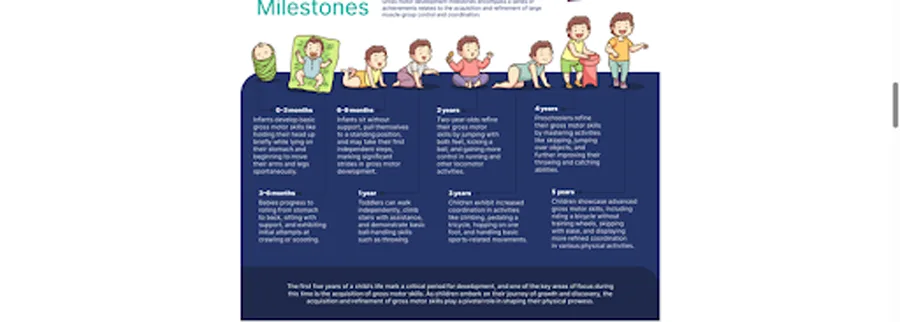
- Observe motor skills and coordination: Notice stiffness, floppy muscle tone, poor balance, along with tremors and favoring one side. Observe problems with walking such as scissoring. Also watch for speech development delay, feeding problems, drooling, missed milestones, and seizures.
- Recognize specific age signs: Some examples are head lag and stiff legs in children below six months old. Another sign is inability to roll or bring hands together after six months. Lopsided crawling or inability to stand with support after ten months are other signs.
- Don’t wait: Contact your healthcare professional immediately if you notice these signs rather than waiting. Prompt diagnosis is critical for effective treatment.
Pro tips:
- Keep a progress journal of milestones to discuss during pediatric visits.
- Utilize the CDC’s Milestone Tracker application. Follow your gut if something seems wrong.
Common pitfalls:
❌ Waiting to see if a child “outgrows” significant motor delays or abnormal stiffness without professional screening.
✅ Pursuing immediate medical assessment and developmental screening upon the initial indication of ongoing motor delays or tone irregularities.
Success looks like: You’ve monitored your child’s milestones and observed any muscle tone concerns or warning signs. You’ve also sought an assessment from a pediatrician or neurologist.
Step 2: Secure a Medical Diagnosis and Identify Type & Causes
What you’re doing: Collaborating with experts to validate the diagnosis via evaluations and imaging. You are additionally gaining knowledge about CP classifications and factors to inform treatment choices.
Why it matters: A confirmed diagnosis eliminates the possibility of progressive genetic disorders. It guides additional testing. Recognizing the CP type helps tailor interventions and establish expectations. If pertinent, legal measures might also rely on grasping the fundamental reason.
How to do it:
- Clinical evaluation: Muscle tone and reflexes alongside movement will be checked. They track milestones and early hand preference. They usually use tools like the HINE or Hammersmith Infant Neurological Exam.
- Imaging for diagnosis: MRI is the favored choice. It demonstrates cortical and white matter formations and issues such as periventricular leukomalacia. Cranial ultrasound can identify bleeding in newborns, whilst CT scans can detect calcification or bone problems.
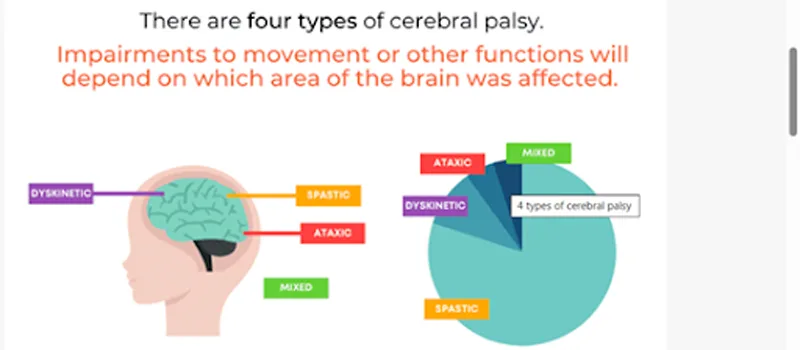
- Classify type and review history: Work with your neurologist to identify:
- Spastic: Around 80% of cases. Features stiff muscles and exaggerated reflexes.
- Dyskinetic: Has fluctuating tone. Characterized by writhing or jerky movements.
- Ataxic: Features balance and coordination issues.
- Mixed (combined features, often spastic‑dyskinetic)
- Review prenatal and birth history to determine the cause. Congenital CP accounts for 85% to 90% of cases. It usually occurs before or during birth (prenatal or perinatal). Acquired CP occurs during infancy (postnatal) and accounts for only 10% to 15% of cases. It’s usually caused by brain infection or trauma after birth.
- Clarify misconceptions: CP is not progressive nor contagious. It’s also not always caused by birth asphyxia. The brain injury is static, even if symptoms change as the child grows.
Pro tips:
- Ask how your child’s CP type influences prognosis and treatment options.
- Keep a folder of medical records and imaging results alongside specialist notes. If HIE or birth trauma is suspected, secure these records for legal review.
Common pitfalls:
❌ Assuming oxygen loss during birth is the only cause or that CP inevitably worsens.
✅ Recognizing prenatal brain development issues or prematurity are frequent contributors, and that symptoms can improve with consistent treatment.
Success looks like: You have a confirmed diagnosis, a clear understanding of your child’s CP classification, identified contributing risk factors, and a complete set of medical records for ongoing care and possible legal protection.
Step 3: Navigate Treatment, Financial, and Legal Resources
What you’re doing: Creating a treatment plan including medical treatment and financial assistance. Legal action, if negligence was involved, will also be included.
Why it matters: CP is a lifelong condition. Hence, the establishment of the correct support system early on will ensure continuous and holistic treatment. Prompt legal action can help obtain funds for future needs if malpractice occurred.
How to do it:
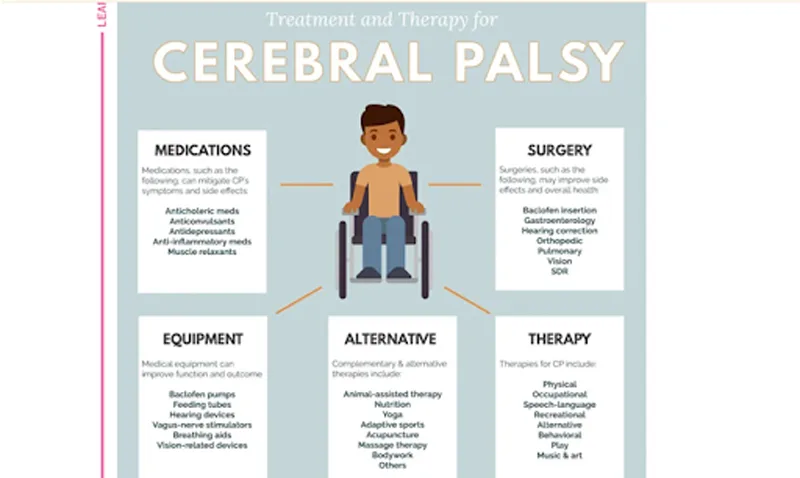
- Start treatment: Start physical therapy for muscle development and proper movement. Occupational therapy helps with small motor skills. Speech therapy enhances speech and feeding. Other treatments include botulinum injection, baclofen pump, and orthopedic surgery. These options are used to control spasticity and enhance function. These options help manage spasticity and improve function. Use any assistive devices to aid movement.
- Gain financial and caregiver assistance: Apply for SSI/SSDI and Medicaid waiver programs alongside charitable grants. Form a network of medical specialists, respite services, and parent networks. Download free resource guides from cerebralpalsyguide.com.
- Consider legal actions: Contact a birth injury lawyer if birth asphyxia or HIE, or medical malpractice, is suspected. There are time limits that vary by state. So early consultation is vital to preserve evidence and assess settlement values.
Pro tips:
- Start early intervention services through state programs. Do this even before an official diagnosis, to maximize developmental gains.
- Involve family‑centered therapy practices. Collaborative care planning improves outcomes.
- Note walking prognosis indicators: children who sit independently by 24 months and crawl by 30 months often achieve independent walking.
Common pitfalls:
❌ Agreeing to initial treatment suggestions without considering all alternatives.
❌ Delaying too much in obtaining legal advice when negligence is suspected.
✅ Forming a cohesive care team comprising neurologists, therapists, and social workers. Actively engaging financial resources and support groups.
✅ Consulting a specialized birth injury lawyer early to protect your family’s financial future.
Success looks like: You have secured a coordinated treatment plan and financial resources. You have a clear roadmap for your child’s ongoing development and community support alongside legal protection if needed.
COMMON MISTAKES TO AVOID
Mistake 1: Putting Off Developmental Screenings
Why it is a problem: Missing the window for early neuroplasticity interventions can permanently limit a child’s functional potential.
How to avoid it: Go for regular pediatric visits. Explicitly request developmental screenings at every appointment.
Do this instead: Act quickly if you notice motor delays or unusual muscle tone.
Mistake 2: Not Taking Care of Caregiver Mental Wellness
Why it’s a problem: Caring for a child with special needs can place heavy stress on caregivers. It has both emotional and physical effects.
How to avoid it: Look for respite care services actively. Also join parent support groups.
Do this instead: Prioritize your own well-being as a necessary component of your child’s care team.
Mistake 3: Ignoring Legal Timelines
Why it is a problem: Medical malpractice claims for birth injuries have different deadlines in each state.
How to avoid it: Consult an experienced birth injury lawyer PRONTO after you suspect negligence, not after an official diagnosis.
Do this instead: Gather all prenatal and delivery medical records immediately for professional legal review.
KEY TAKEAWAYS
- Prompt identification of motor delays and unusual muscle tone is essential for timely intervention.
- Cerebral palsy doesn’t progress, but symptoms and care needs will evolve. It will require adaptable, lifelong management.
- A comprehensive approach combines medical therapy, financial aid, and legal advocacy. This provides the strongest base for your child’s future.
FINAL THOUGHTS
- Summary: Knowledge of CP involves identifying early motor symptoms and getting a medical diagnosis using imaging and clinical assessment. It also involves actively creating a robust network for support and treatment.
- Benefit reminder: By following this guide, you can spot early warning signs, understand your child’s condition, and take steps toward the best possible care. You are more equipped to collaborate with your healthcare team and assist your child’s growth
- Encouragement: Many children with CP grow into happy and independent adults thanks to early intervention. Your advocacy matters.
- Reality check: This journey demands patience and persistence alongside advocacy. Challenges will come. But the time you put in now to comprehend your child’s condition and find resources will benefit them for a lifetime.
NEXT STEPS
Do this now:
- Download the CDC Milestone Tracker app to begin logging your child’s development.
- Schedule an appointment with your pediatrician to discuss any observed motor delays and request a referral for neuroimaging.
- Get a copy of your child’s complete birth and medical records for your personal files.
Keep learning:
- Check out NINDS for in-depth medical information and research updates.
- Find your state’s specific early intervention program eligibility requirements. You can find it through the CDC or your state’s health department.
- Research specialized birth injury law firms if you suspect medical negligence during delivery.
Take action:
If you have concerns, contact your pediatrician. But if diagnosed, connect with support groups for resources and community. You are your child’s best advocate, and early action makes a lasting difference.