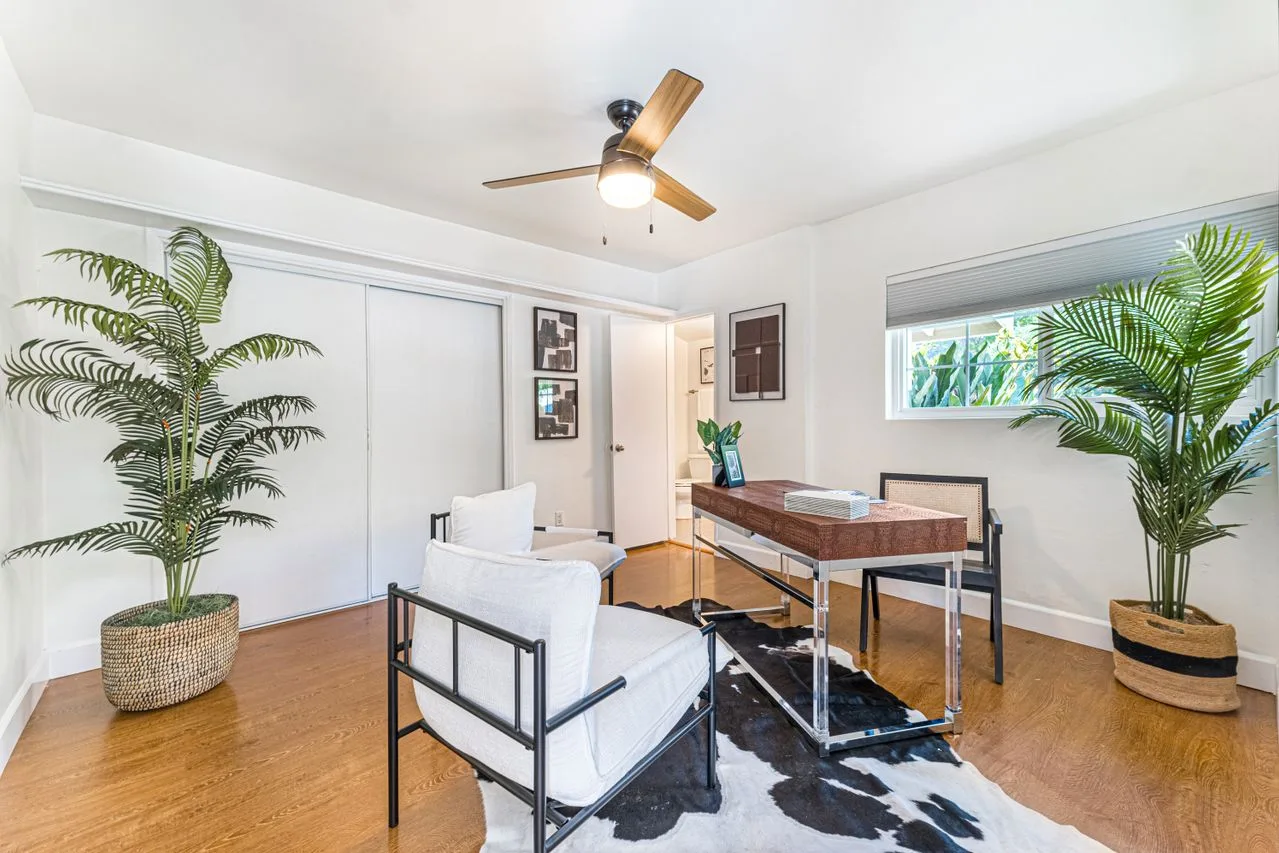
An outdated office does not necessarily need a full renovation to feel modern, comfortable, and professional. Strategic improvements to lighting, furniture, technology, color, and organization can make a noticeable difference without the cost, disruption, and downtime associated with a complete remodel.
Small changes can also address practical problems that make an older workplace feel dated. Poor lighting, cluttered workstations, worn furniture, and inefficient layouts can affect how employees use the space and how visitors perceive the business.
The key is knowing which upgrades will have the greatest impact for the available budget. A few carefully chosen improvements can refresh the office while preserving features that are still functional, and several areas are particularly worth prioritizing.
Start With Better Office Lighting
Lighting has a surprisingly strong influence on how an office looks and feels. Old fluorescent fixtures can make a workspace appear harsh or dated, while newer lighting can create a cleaner appearance and improve the overall atmosphere.
Replacing outdated fixtures with led troffer lights can provide a modern alternative for offices that use recessed grid ceilings. LED troffers are designed for commercial and institutional spaces and can provide an updated look without requiring major changes to the ceiling infrastructure.
Lighting improvements can also be approached strategically rather than replacing every fixture at once. Prioritize areas where employees spend the most time, conference rooms, reception spaces, and locations where poor illumination is particularly noticeable.
Refresh Furniture and Layout
Office furniture can quickly reveal a workplace’s age, especially when desks, chairs, and storage units have been used for many years. Replacing worn pieces does not mean buying an entirely new set of furniture. Upgrading the most visible or heavily used items can provide a significant refresh.
Consider where employees actually work and collaborate before purchasing anything. A more functional layout may create as much improvement as new furniture, particularly when moving bulky pieces opens up walkways or makes shared spaces easier to use.
Useful upgrades might include:
- Ergonomic desk chairs
- Updated conference tables
- Flexible seating areas
- Modern storage solutions
Give Walls and Surfaces a Refresh
Paint is one of the simplest ways to change the character of an office without undertaking construction. A fresh neutral color can make an older space feel cleaner, while a carefully chosen accent wall can introduce personality without overwhelming the workplace.
Other surfaces deserve attention as well. Updating worn flooring, cabinet hardware, window treatments, or reception-area finishes can help an office look maintained and intentional.
Modernize Technology Without Overhauling Everything
Technology can make an office feel dated even when its physical design is relatively current. Employees may notice unreliable video conferencing, insufficient charging options, tangled cables, or outdated displays long before they notice whether the walls need repainting.
Focus on improvements that solve everyday frustrations. Better conference-room screens, wireless presentation tools, accessible charging stations, and improved cable management can make the workplace more functional without requiring major infrastructure changes.
Upgrade Strategically and in Stages
A phased approach can make office improvements easier to budget and manage. Instead of closing the workplace for a major renovation, businesses can identify the most noticeable deficiencies and address them one project at a time.
Start with changes that improve both appearance and everyday functionality. Better lighting, ergonomic furniture, refreshed surfaces, and practical technology upgrades can collectively transform an older office while allowing the business to keep operating with minimal disruption.