If you live somewhere like Odessa, you already know summer doesn’t politely knock. It kicks the door in. West Texas heat puts air conditioners under serious pressure, and even a solid system can start acting up when temperatures stay high for days at a time. If you want fewer surprises, lower repair bills, and a house that doesn’t feel like a toaster oven, it helps to understand how your AC fails, what warning signs matter, and when quick action can save you money.
Your AC Usually Gives You Warnings Before It Fails
Air conditioners rarely go from perfect to dead without dropping hints first. You’ll often notice weaker airflow, warm spots in certain rooms, odd noises, or longer cooling cycles. Those small issues can signal bigger trouble brewing behind the vents.
A rattling sound may point to loose parts. Buzzing can suggest electrical problems. Musty smells may mean moisture buildup in the system, which can open the door to mold. If your thermostat says one thing and your living room feels another, your unit could be struggling with sensor issues, refrigerant loss, or clogged filters.
One of the most ignored red flags is a sudden spike in your energy bill. When your system has to work harder to produce the same cooling, it burns more electricity. That’s a financial warning wrapped in utility-company packaging.
If you’re dealing with recurring issues and live in West Texas, looking into AC repair in Odessa makes practical sense, especially when heat waves turn minor system flaws into full shutdowns.
Heat, Dust, and Neglect Create the Perfect Breakdown Recipe
Your AC doesn’t operate in a vacuum, even if sometimes it sounds like it’s trying to launch into space. Environment matters. In hot, dry places, dust and extreme temperatures can wear down parts faster than many homeowners expect.
Outdoor condenser units collect dirt, cottonwood fluff, grass clippings, and random debris. That buildup limits airflow and forces the system to run hotter. Inside the house, dirty air filters restrict circulation and strain the blower motor. It’s a simple problem with expensive potential.
Then there’s deferred maintenance, the classic “I’ll deal with it later” move. It works great until it doesn’t. Small problems such as a loose capacitor, blocked drain line, or aging contactor can become major failures right when you need cooling most.
Homes with older ductwork also run into efficiency problems. Leaks in the ducts can dump cooled air into attics or crawl spaces instead of your rooms. You keep paying for comfort that never actually arrives. Not ideal.
A neglected system often fails during the hottest week of the year, because air conditioners have a wicked sense of timing.
What You Can Check Yourself Before Calling a Professional
Not every AC problem requires immediate repair. Some issues come down to overlooked basics, and checking them first can save you time, stress, and an unnecessary service call.
Start with your thermostat. Make sure it’s set to cool, not just fan, and check the temperature setting. If the screen is blank, the batteries may be dead. It sounds obvious, but obvious fixes count too.
Next, inspect the air filter. If it’s gray, dusty, or looks like it’s been through a sandstorm, replace it. A clogged filter can choke airflow enough to make your system seem broken.
You should also check your circuit breaker. Sometimes the breaker trips and cuts power to the unit. If it trips again right away after reset, stop there. That points to an electrical issue that needs a trained technician.
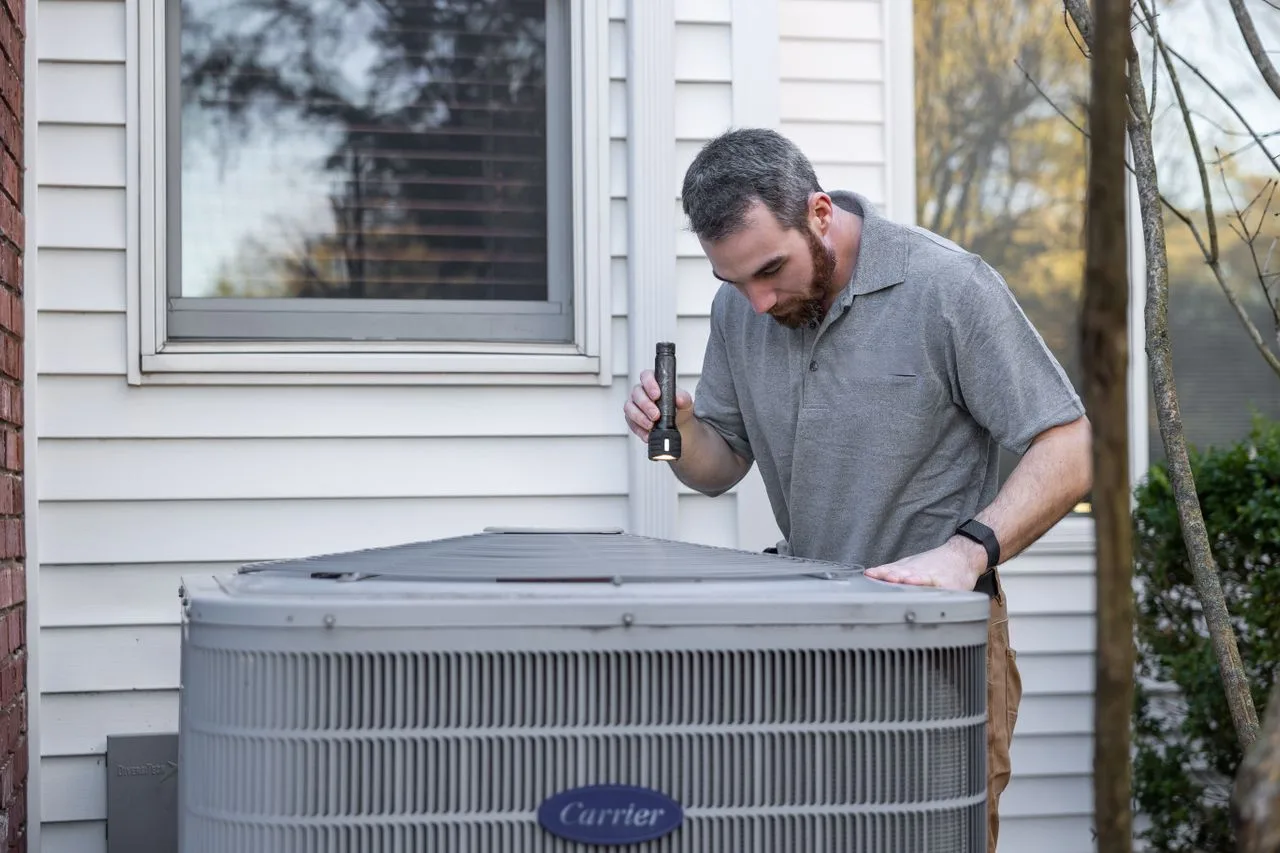
Outside, take a look at the condenser. Clear away leaves, weeds, and debris around the unit so it can breathe properly. Don’t go poking around inside the equipment, though. HVAC systems are not a great place for DIY heroics.
If airflow is still weak, air is warm, or the system keeps cycling on and off, it’s time to bring in professional help.
The Cost of Waiting Is Often Higher Than the Repair
A lot of homeowners hesitate when the AC starts acting up. Maybe the system still cools a little. Maybe the noise comes and goes. Maybe you’re hoping it can survive one more week. That gamble can get expensive fast.
A struggling unit runs longer and harder, which increases wear on motors, capacitors, and compressors. Compressor failure is the heavyweight champion of costly AC repairs. If a smaller issue leads to compressor damage, your bill can jump from manageable to deeply annoying.
There’s also the comfort factor. Poor cooling affects sleep, concentration, and indoor air quality. If you work from home, have pets, or live with older family members, a failing AC isn’t just an inconvenience. It can become a health and safety concern.
Moisture problems add another layer. A blocked condensate drain can lead to water damage, stained walls, or mold growth near the unit. Suddenly you’re not just fixing cooling; you’re dealing with drywall and cleanup too.
Quick action usually gives you more choices. You can schedule service before emergency demand spikes, compare recommendations calmly, and handle a repair before your house starts feeling like a parking lot in July.
How to Choose Smart Maintenance Habits That Actually Help
The best way to avoid emergency repairs is simple, though not glamorous: regular maintenance. Air conditioners need periodic attention if you want them to stay efficient, reliable, and less dramatic.
Change your filter every one to three months depending on pets, dust, allergies, and system use. Keep vents open and unblocked by furniture. Clean around the outdoor unit so airflow stays strong. These are low-effort habits with real payoff.
It’s also smart to schedule a professional tune-up before peak cooling season. A technician can inspect refrigerant levels, electrical connections, coils, drain lines, blower components, and thermostat performance. That checkup can catch problems early, when repairs are usually cheaper and easier.
If your system is more than 10 to 15 years old, start paying closer attention to performance trends. Frequent repairs, uneven cooling, and rising energy costs may signal that replacement is worth considering. At a certain point, patching an aging unit becomes a money pit with air vents.
Treat your AC like essential equipment, not background furniture. It works hardest when you need it most. A little maintenance keeps it from filing for early retirement in the middle of summer.
A Reliable AC Is Really About Comfort, Health, and Control
When your cooling system works properly, you don’t think much about it. You sleep better, your rooms feel normal, and your energy bill stays in a reasonable range. That quiet reliability matters more than most people realize.
Understanding the warning signs, environmental stressors, and basic maintenance steps puts you in a better position as a homeowner. You don’t need to become an HVAC expert overnight. You just need to catch problems early, handle the simple checks, and know when a repair call makes sense.
In places with punishing summer heat, waiting for complete failure is a rough strategy. Preventive care and timely repairs usually cost less than emergency fixes, and they spare you the misery of losing cool air when outdoor temperatures are relentless.
Your AC system has one main job: keep your home livable when the weather refuses to cooperate. Give it a little attention before it starts making expensive decisions on your behalf.