



6 minute read
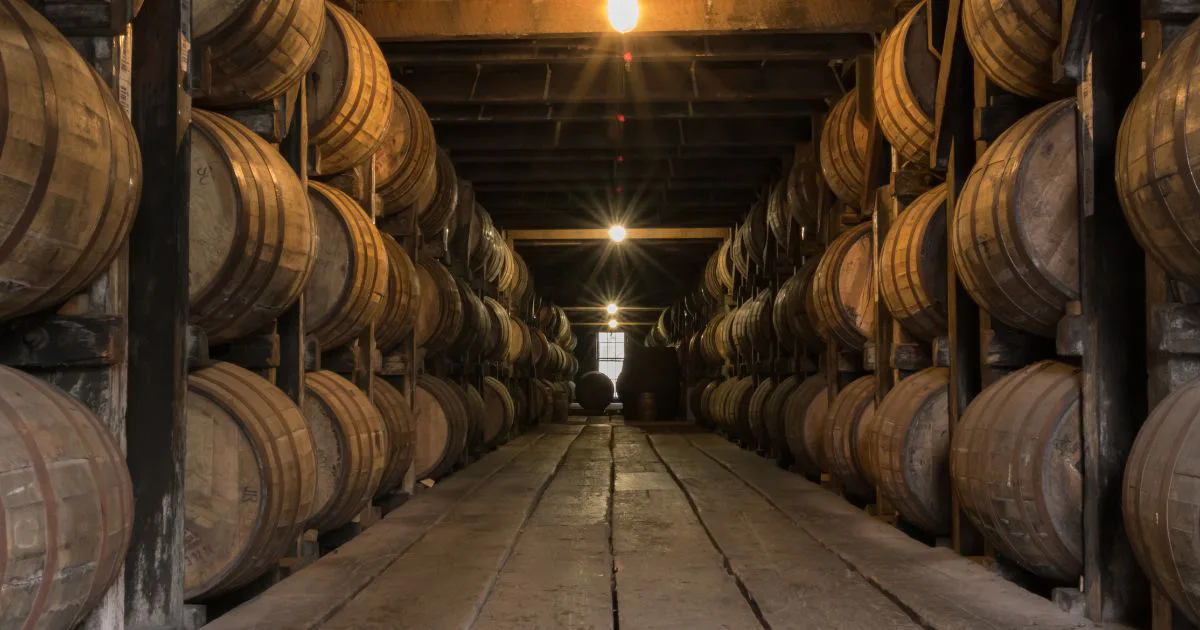
Pest control in distilleries is essential to maintaining product quality and safety. You need to address pests quickly because they can contaminate ingredients and damage facility equipment. Adequate sanitation and pest control in distilleries minimize risks and ensure your production environment meets health standards.
You must implement regular cleaning routines to reduce attractants, such as food residues or standing water. Proper sanitation directly supports pest control efforts by removing the conditions pests rely on to thrive.
Understanding common pests in distilleries, such as rodents and insects, enables you to tailor effective prevention and control strategies. Keeping your facility pest-free protects your brand’s reputation and compliance with regulations.
Key Strategies for Pest Control in Distilleries
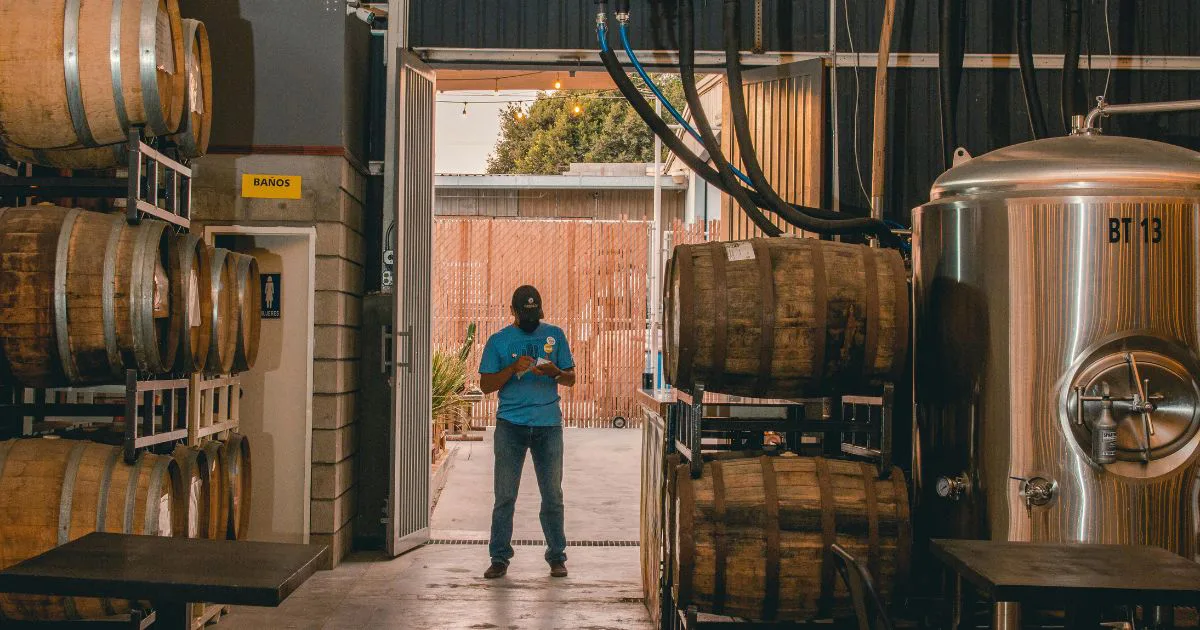
Maintaining a pest-free distillery requires a combination of targeted tactics. You need to manage pest populations, maintain strict sanitation, and apply rodent control methods designed explicitly for alcohol production environments.
Integrated Pest Management Approaches
You should implement Integrated Pest Management (IPM) to balance chemical, biological, and physical controls. IPM focuses on regular inspection, monitoring, and identifying pest types before treatment.
Using specific traps and baits tailored for distillery pests reduces chemical use and limits contamination risks. In Dallas distillery pest management, monitoring devices placed near raw materials and waste areas help detect pests early.
Preventive measures, such as sealing cracks and installing screens at entry points, are essential. IPM also involves recording pest activity to adjust strategies and improve overall control effectiveness over time.
Sanitation Practices for Alcohol Production
Sanitation and pest control in distilleries are tightly linked. You must clean production and storage areas daily to remove residues that attract pests.
Waste bins should be covered and emptied frequently to prevent food sources. Equipment should be wiped down after use and inspected for spills, especially in mash and fermentation rooms.
Regularly cleaning drains and maintaining dry floors helps reduce moisture, which in turn attracts insects and rodents. Using food-grade cleaning agents ensures no contamination during sanitation efforts.
Rodent Control Methods for Distillery Facilities
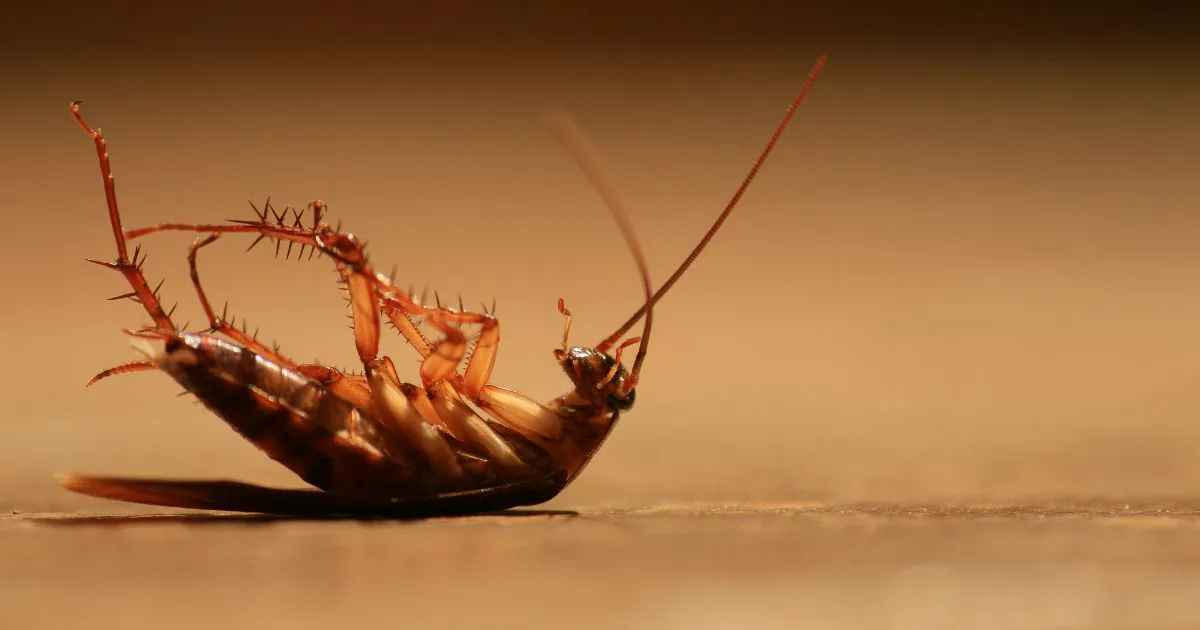
Rodent control in distillery facilities requires a proactive and multi-layered approach. Place traps and bait stations along walls, near pipes, and in storage areas where rodent activity is most prevalent.
Physical exclusion, such as metal door sweeps and sealants, effectively keeps rodents out. Because distilleries produce strong odors that attract rodents, it is essential to manage these odors to reduce their attractiveness.
Regular inspections for gnaw marks, droppings, and nesting materials help detect rodent presence early. Partnering with professionals experienced in distillery pest control in Dallas can ensure compliance with health and safety standards.
Compliance and Specialized Solutions
Maintaining pest control in your distillery requires strict adherence to regulations and the use of tailored methods. You must ensure your pest management aligns with food safety standards while addressing unique risks found in beverage manufacturing environments, especially in Dallas.
Food-Grade Pest Control Solutions
You must use pest control products approved for use in food and beverage facilities to prevent contamination. Food-grade solutions are formulated to be safe around consumables and must comply with FDA and EPA regulations.
Standard methods include physical barriers, traps, and low-toxicity baits designed explicitly for use in distilleries. These options minimize chemical exposure while effectively targeting pests like rodents, flies, and beetles. Your pest control provider should use products labeled for use in food processing areas, as local regulations may also apply in Dallas.
Pest Control Procedures and Documentation
Your pest control procedures must be documented and consistently followed to meet compliance audits. Develop a written plan that includes inspection schedules, treatment methods, and pest activity logs.
Documenting these actions helps track effectiveness and identify problem areas early. Records should include product usage details, technician reports, and any corrective measures taken. This transparency is critical during inspections by agencies such as the Texas Department of State Health Services.
Regional Considerations for Dallas Distilleries
Dallas’s climate contributes to specific pest challenges, such as higher rodent activity in warmer months and occasional infestations of moisture-loving insects. Your pest control plan should adapt to these seasonal and regional pest patterns.
Local Dallas pest control experts will consider environmental factors such as humidity and nearby vegetation that encourage pests in your facility’s surroundings. Incorporating integrated pest management (IPM) strategies that address these regional conditions will improve long-term control.
Pest Risks in Beverage Manufacturing
In beverage manufacturing, including distilleries, specific pests pose threats to both product quality and facility integrity. Rodents can damage equipment and wires, while flies and beetles risk contaminating the product.
Your pest control strategy must prioritize exclusion techniques to block entry points and sanitation to remove attractants. Specialized traps and monitoring devices are used to detect the presence of pests early. Understanding these risks allows you to tailor your control methods precisely to the unique demands of beverage production.
Partnering With the Right People to Keep Pests at Bay
Effective pest control in distillery facilities requires expertise and a tailored approach. You need partners who understand the unique challenges of managing pests in environments like distilleries, where sanitation and safety are critical.
Rodent control in distillery facilities focuses on preventing contamination and protecting your product quality. Skilled professionals use targeted strategies to block entry points and monitor rodent activity without disrupting operations.
When seeking distillery pest management in Dallas, opt for a team that is familiar with local pest behaviors and regulations. Local specialists can provide faster, more effective responses and customized solutions that fit your facility’s layout and workflow.
Work with experts who offer humane, sustainable pest removal options. This minimizes harm to the environment and promotes long-term control. Clear communication and routine inspections help you stay ahead of infestations before they cause damage.
Here’s what to expect from a reliable pest control partner:
- Thorough facility inspections
- Customized management plans
- Use of approved, non-disruptive methods
- Ongoing monitoring and reporting
- Rapid response to issues
Critter Stop stands out as a professional, humane wildlife removal company with extensive experience in commercial pest control. They have earned excellent reviews for their thorough work and exceptional customer service. Call Critter Stop at (214) 234-2616 for a free inspection to address pest or wildlife issues on your property.