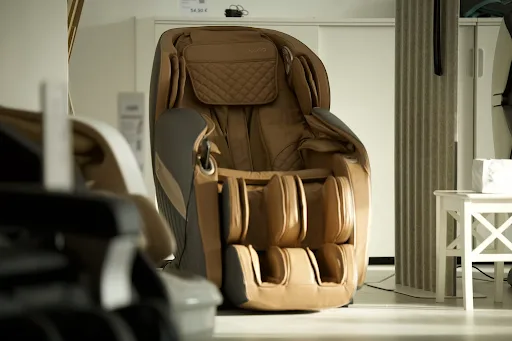
The first time I sat in a high-end massage chair in an Australian showroom, I enjoyed about 90 seconds of it and then spent 20 minutes squinting at a specification sheet I didn’t understand. After trying more chairs and speaking with owners, I learned that the longest feature list is rarely what matters six months later. The important questions are whether the chair fits your body and room, and whether it comes with support you can reach when needed.
Start with comfort, not features
A chair that suits your neighbour may feel wrong for you. Height, shoulder width, leg length and pressure tolerance all affect the experience, so the most reliable test is sitting in the chair yourself. If you have a health condition or injury, or you’re pregnant, speak with your GP or physiotherapist before using one.
A quick fit and feel checklist
- Do the rollers reach your neck and shoulders without making you slouch?
- Does the body scan position the shoulder airbags near your shoulders rather than your ears?
- Do the calf and foot sections fit comfortably without pinching?
- Can you find a useful intensity setting that doesn’t feel excessive?
A short showroom test
Run the automatic body scan, then try at least two intensity levels. Move from upright to reclined and notice how the pressure shifts. Pay attention to any areas the rollers miss, often the lower back or outer shoulders. If possible, take another household member so each person who will use the chair can check the fit.
The features you’ll actually use
Focus on features that address your comfort preferences rather than choosing the chair with the most settings. A simpler model that fits well may be more useful than one with adjustments you rarely touch.
Zero gravity, heat, airbags and foot rollers
Zero gravity recline raises your legs to around heart level, spreading your weight across the chair and changing how the massage feels. Heat usually comes from a lumbar warming pad and tends to feel gentle. Airbags compress the arms, calves and shoulders, while foot rollers can feel intense at first. Test these features before paying extra for them. In a small room, prioritise wall clearance over a deep recline you cannot use.
If the chair is one part of a wider home recovery setup, this guide to fitness investments that are actually worth it covers the equipment and recovery tools people tend to arrange around it.
Your home matters more than the specification sheet
Room dimensions and access can rule out a chair before its features become relevant. Measure the full delivery route as well as the final position.
Space and clearance
Most modern chairs are wall-hugging, meaning they slide forward as they recline, and many require about 5 to 15 cm behind them. Some compact models list as little as 6 cm of rear clearance and a minimum doorway width of around 70 cm. Always check the measurements for the exact model. Record its floor footprint and reclined length, then measure doorways, corners, stairwells and lifts along the delivery route. Check that a suitable power point is nearby, and ask whether the model carries an RCM mark for Australian electrical compliance.
Delivery and installation
Massage chairs are heavy, so delivery should be considered part of the purchase. Specialist Australian retailers often offer white-glove delivery that includes assembly and a demonstration of the controls. Relax For Life, for example, publishes estimated metro delivery windows of roughly 1 to 12 business days, with coverage around 100 km from capital cities. Confirm current terms before ordering. If the chair is going upstairs or into an apartment, provide those details and obtain written confirmation that delivery is available.
Warranty, support and your rights in Australia
A long warranty is useful only when you understand its limits. Check who provides the service, which costs are covered, and whether support is available at your address.
Read the warranty terms carefully
Check the separate coverage periods for parts and labour, along with any limits on in-home service. Some Australian suppliers restrict in-home coverage to a set radius around their showrooms, although they may include additional metro areas. Longer warranties can also depend on periodic paid servicing.
Consumer guarantees come first
Australian Consumer Law provides automatic consumer guarantees. The ACCC notes that a paid extended warranty may not provide benefits beyond these existing rights, so ask the seller to explain exactly what extra coverage you’re buying. Overseas sellers that supply Australian customers must also comply with Australian Consumer Law, although obtaining a remedy from another country can be slower and more difficult.
Where to try chairs and discuss setup
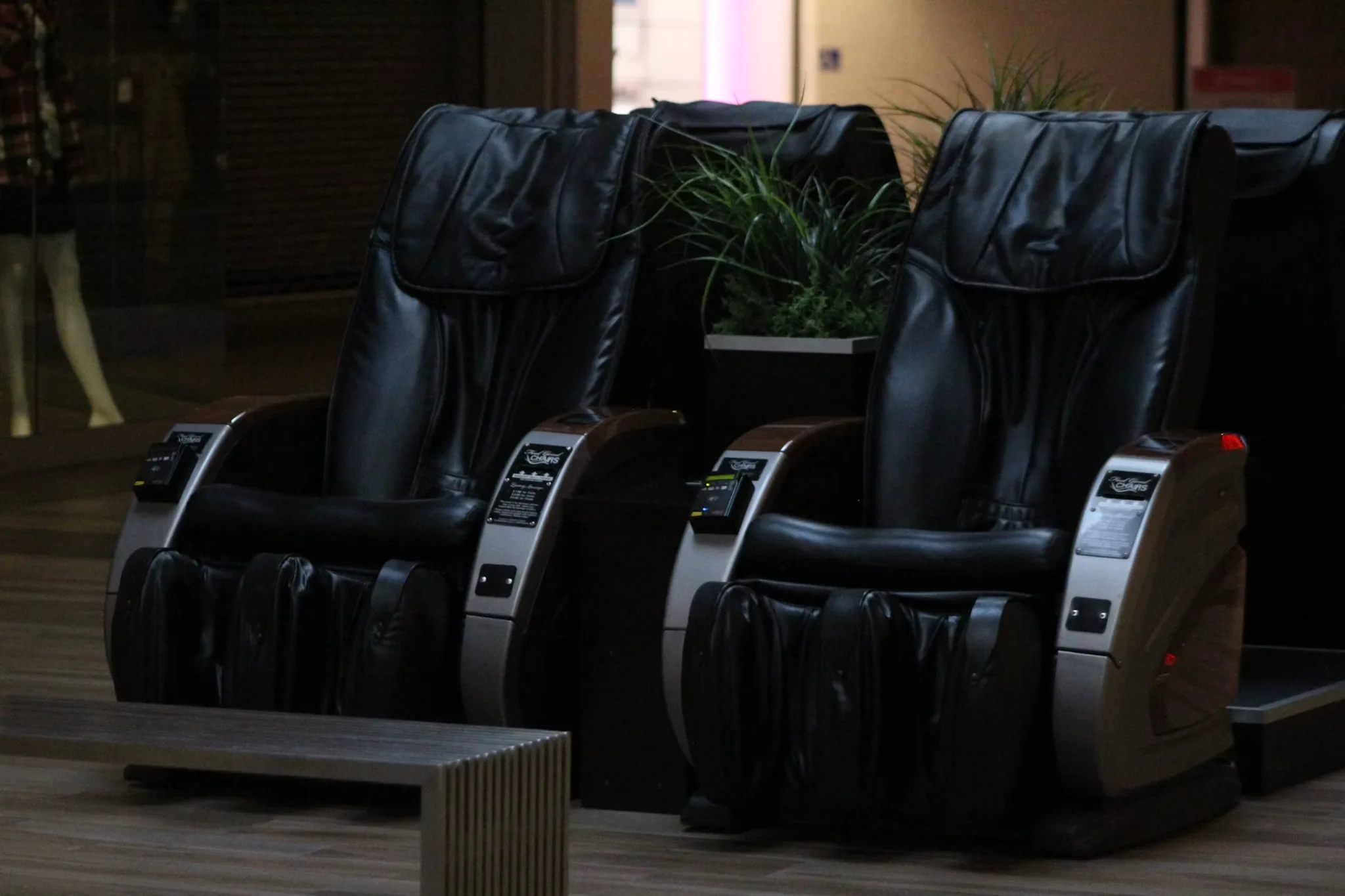
Larger suppliers operate dedicated showrooms across several capital cities because fit and pressure are difficult to judge online. Book a trial, bring your room and doorway measurements, and note the areas where you want the most support. To compare specifications and national service coverage, the premium massage chairs Australia range from Relax For Life lists showroom locations, white-glove delivery information and warranty terms to review before visiting.
Budget without regret
Prices range from a few thousand dollars into five figures for flagship models. Listed prices and promotions change, so confirm the current cost and what it includes. Spending more may provide a longer track, finer adjustments and upgraded materials. It should also provide dependable after-sales support, which may matter more than a short-term discount.
The short version
Sit in the chair before buying it. Measure your room, doorway and delivery route. Read the warranty carefully, remembering that your consumer rights apply regardless of any paid add-on. Then choose the model you expect to use regularly, not simply the one with the longest feature list.
FAQ
How long should a session last?
Many chairs default to programs lasting around 15 to 30 minutes, which is a reasonable starting point. Begin with a gentle setting and stop if you feel discomfort. If you have a medical condition, ask a healthcare professional what is appropriate for you.
What after-sales support should I look for?
Look for clear in-home service boundaries, stated parts availability, transparent labour terms and a local contact. Before buying, ask the retailer to explain how a repair would be handled at your address.
What should I check before delivery?
Confirm the route, power point, staircase access and whether the delivery team handles assembly. Send measurements and photos ahead of time if access looks tight.
Can I buy online without a showroom visit?
You can, but read the return, delivery and service terms closely. A phone call about your height, room and access is worth making.