


6 minute read
Bathroom design has started to slow down, in the best way possible. The days of bright tiles and bulky fixtures are giving way to calmer, more intentional spaces. Today’s bathrooms are about simplicity that feels natural, with spaces that promote rest without feeling sterile. The idea behind “quiet design” is to create a room that’s not trying to impress anyone.
In Tampa, this approach fits right in. The city’s coastal energy and sunlight naturally lean toward open, airy interiors. Homeowners in this region are opting for minimalism by refining what already exists.
Let’s discuss more on this below:
Getting the Right Start for a Seamless Bathroom Refresh
A quiet, modern bathroom starts with a plan that understands flow, structure, and function. Everything from lighting to material choice affects how the space feels day to day. A refresh that focuses on calm doesn’t necessarily mean a full remodel, as sometimes, it’s about improving the layout, softening color schemes, and removing what doesn’t serve the space anymore.
Working with experienced Tampa bathroom remodeling professionals can help you achieve the wellness features you seek in your bathroom. They know how to interpret your ideas without overcomplicating them. Whether it’s subtle storage updates or lighting adjustments, their experience helps you avoid guesswork and make decisions that actually work long-term.
Integrating Natural Elements without Overdoing It
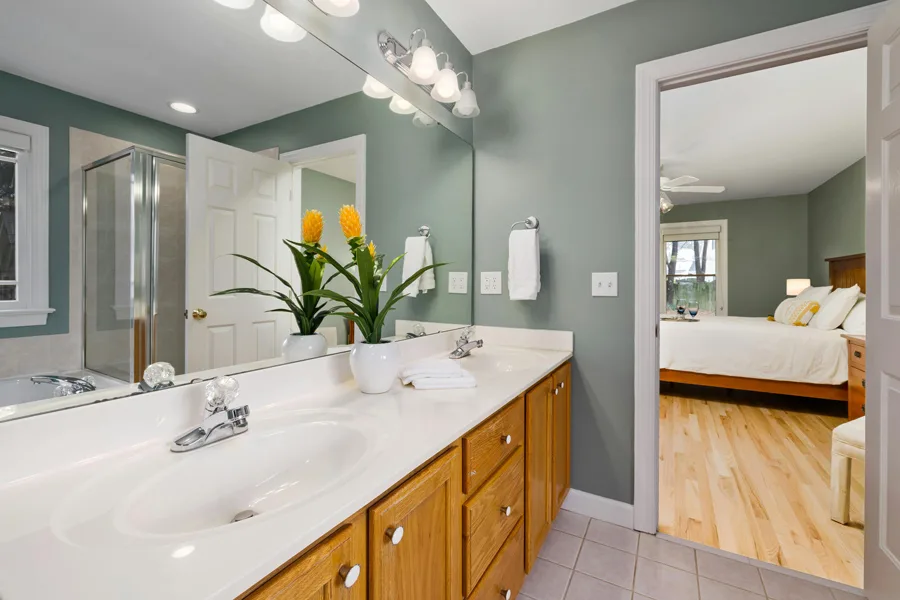
Bringing in natural materials instantly changes how a bathroom feels. Stone, wood, and plants introduce texture and warmth that make a room more grounded. A touch of oak cabinetry, a marble vanity top, or a single leafy plant can create balance without turning the space into a jungle. Nature-inspired design is most effective when it complements rather than dominates.
Natural light pairs beautifully with organic surfaces, making them look softer and more inviting. Large windows or frosted glass panels can keep privacy intact while letting daylight in.
Designing With Calm as the Core Idea
Quiet design is all about intention. Every detail, from the tiles on the wall to the direction of a mirror, has a reason for being there. The focus shifts from statement pieces to structure, tone, and flow. Neutral palettes, smooth finishes, and simple geometry are the tools of this design style. They help the bathroom feel composed and comfortable, even during busy mornings.
When every choice serves comfort and clarity, the bathroom becomes more than just functional. It turns into a space that slows you down just enough to reset.
Creating Balance Between Openness and Privacy
Bathrooms today are designed for openness, but that doesn’t mean everything should be visible. The best designs find balance, that is, they’re open enough to breathe, private enough to relax. Frosted glass doors, half partitions, and smart spatial layouts create separation without building walls.
The trick is visual layering. Using screens, textures, and lighting to suggest division instead of enforcing it keeps the space light. When done right, the bathroom feels expansive but still personal. It’s privacy designed for comfort, not isolation.
Turning the Bathroom into a Quiet Daily Reset
Turning your bathroom into a reset zone means thinking beyond design trends and focusing on mood. Soft lighting, uncluttered counters, and warm materials make a difference that you can feel.
A candle, a towel that feels good to use, or a moment to breathe while running water fills the sink. The bathroom becomes a pause, a small, steady reminder that your space can take care of you just as much as you take care of it.
Prioritizing Space Over Stuff
Quiet design thrives on the idea of less. Instead of filling every corner, the focus shifts to creating open space that breathes. The layout should allow easy movement, clear sightlines, and enough room for comfort. Even a small bathroom can feel expansive when storage and fixtures are streamlined.
To achieve this, you have to keep what actually adds value. Hidden cabinets, recessed shelving, and floating vanities help maintain openness without losing function. When everything you need has its place, the space starts to feel simple and light.
Using Sound and Silence as Part of the Experience
A well-designed bathroom considers sound as much as sight. Quiet fixtures, padded cabinet closures, and soft water flow create a gentle soundscape that helps the room feel calm. Even a dripping tap or echoing tile can disrupt that mood. Choosing the right materials and finishes can keep the acoustics soft and comfortable.
Adding subtle background sound can enhance that sense of wellness, too. A small speaker with low ambient music or natural tones can make the space feel like a retreat.
Framing Mirrors to Reflect Calm, Not Clutter
Mirrors define the mood of the room. A well-placed mirror amplifies light, adds space, and enhances symmetry. Framing them with simple, soft-edged materials helps them blend into the design rather than dominate it. The goal is reflection without distraction.
Mirrors should catch light, not clutter. When they face clean surfaces or soft textures, they expand the sense of calm. But when they reflect mess or harsh lines, they multiply chaos. In quiet design, mirrors act like windows into the mood of the space.
Keeping Décor Minimal but Intentional
Decorating a bathroom in a quiet design style is all about restraint. A single piece of art, a textured rug, or a carefully chosen plant can bring warmth without overwhelming the senses. Every decorative element should serve a purpose by either adding calm or maintaining harmony.
Think of décor as punctuation, not the whole story. Neutral tones, small-scale accessories, and natural finishes make the space feel considered but not busy.
Designing for Comfort That Feels Effortless
Comfort is what ties quiet design together. It’s in the softness of a towel, the reach of a faucet, and the way light shifts during the day. Everything should feel easy, not luxurious for show, but practical and pleasant. A bathroom that works smoothly feels instantly relaxing.
This sense of ease comes from good planning. Surfaces that clean easily, lighting that adjusts naturally, and storage that’s exactly where it should be all contribute to comfort.
Quiet design is modern wellness disguised as simplicity. A bathroom built with this focus on balance. Every texture, sound, and surface contributes to a feeling of peace that stays long after you leave the room. The best designs don’t shout for attention; they whisper comfort in a way that lasts.