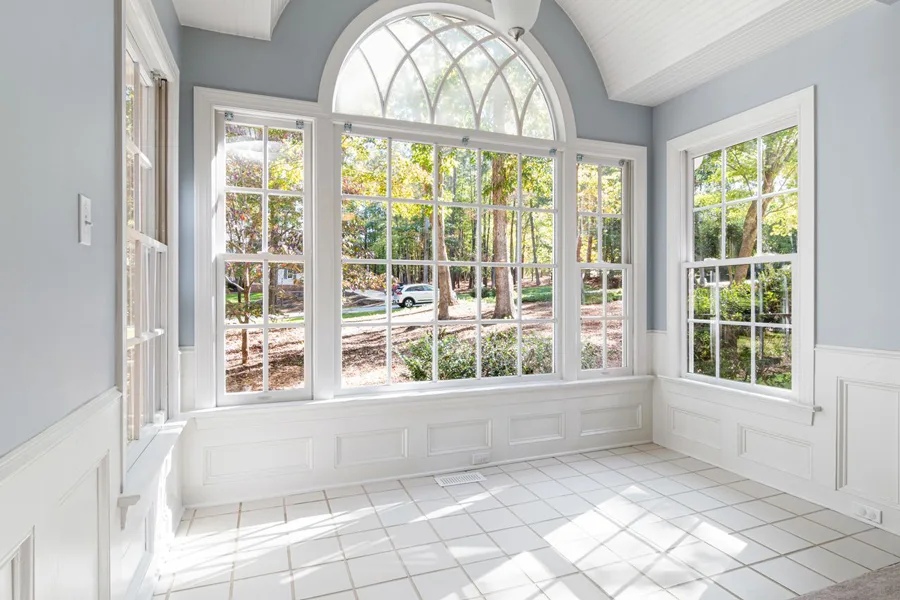
Windows do much more than frame your view. They shape how bright, quiet, comfortable, and energy-efficient your home feels every day. When windows are in good condition, rooms feel balanced and welcoming. When they are old or damaged, your home can feel drafty, noisy, dim, and costly to heat or cool. If your space feels tired, window upgrades can deliver a meaningful refresh without the disruption of a full remodel.
Why Windows Matter
Many homeowners overlook their windows until something feels wrong. A room may get too hot in the afternoon, too cold in winter, or filled with harsh glare. Energy bills may rise for no obvious reason. Often, windows are a major cause.
Windows also influence a home’s appearance. Updated windows can improve natural light, create cleaner sightlines, and make interiors feel more polished. Outside, fresh frames and updated designs can help an older house look cared for instead of dated.
Because there are so many choices in styles, materials, and energy-saving features, many people begin by speaking with a trusted window company to understand what fits their home, priorities, and budget. That early guidance can simplify the process and prevent costly mistakes.
Good windows support light, insulation, and noise control at the same time. They may not be the flashiest home improvement, but they affect daily comfort in a very real way.
Signs It Is Time
Some window problems are obvious, while others develop slowly. One of the clearest signs is a draft near a closed window. If outside air is getting in, the window is no longer doing its job well.
Higher heating and cooling costs are another warning sign. If your HVAC system seems to run constantly, poor window performance may be part of the problem. Air leaks, heat gain, and weak insulation can all force your home to work harder to stay comfortable.
Other issues include windows that stick, will not stay open, or require force to move. Condensation trapped between panes often points to a failed seal. If outside noise seems louder than it used to, your windows may also be losing their ability to block sound.
Appearance matters too. Faded frames, chipped finishes, and outdated designs can drag down the look of an otherwise attractive home. If your windows feel more frustrating than charming, replacement or targeted upgrades may be worth considering.
Style Meets Function
The best windows combine visual appeal with practical performance. The right choice can brighten a dark room, improve ventilation, reduce glare, or add privacy without making the space feel closed off.
Double-hung windows remain popular because they are versatile and suit many home styles. Casement windows swing open and work especially well in areas where ventilation matters, such as kitchens, bathrooms, and stuffy rooms. Picture windows are ideal when your goal is to bring in daylight and enjoy a view.
Different rooms often need different solutions. Bathrooms may benefit from frosted glass or higher placement for privacy. Bedrooms often need stronger noise reduction and better light control. Living rooms usually benefit from larger panes and thoughtful placement that makes the space feel brighter and more connected to the outdoors.
It helps to choose windows that match both your architecture and your lifestyle. Modern homes often look best with slim frames and clean lines, while traditional homes typically pair better with classic shapes and details. The right window should feel like a natural part of the house, not an afterthought.
Comfort Through the Seasons
Window quality matters all year. In hot weather, better glass and tighter seals help keep rooms from overheating too quickly. That can reduce strain on your air conditioning system and make sunny spaces easier to enjoy.
During humid or rainy periods, well-built windows can reduce moisture around the frame. This matters because excess moisture may lead to peeling paint, musty odors, or mildew. A tighter fit can also reduce rattling during storms and windy weather.
In colder months, upgraded windows help maintain more even indoor temperatures. Areas near the glass feel less chilly, which makes the entire room more usable and pleasant. Even a modest reduction in drafts can change how a space feels.
Some options also cut glare, which is especially useful in home offices, media rooms, and anywhere direct sunlight interferes with comfort. True comfort is not only about temperature. It is also about being able to use each room easily throughout the day.
Budgeting Without Stress
Window projects can seem expensive at first, but they do not always require replacing every window at once. Many homeowners start with the rooms they use most or the windows causing the biggest problems.
A drafty bedroom, a noisy living room, or a home office with intense afternoon sun may be the smartest place to begin. Taking a phased approach lets you spread out the cost while still getting noticeable benefits right away.
When comparing estimates, look beyond the lowest number. Ask what is included in the installation, trim work, disposal of old materials, and warranty coverage. A lower quote may leave out important details, while a higher one may include better materials or more complete service.
It also helps to think in terms of long-term value rather than only upfront cost. Better comfort, possible energy savings, stronger curb appeal, and easier daily living all add to the return on your investment. New windows are not just a cosmetic change. They improve how your home functions.
Questions Worth Asking
Before hiring a contractor, ask practical questions. You do not need to be an expert to make a smart decision, and a reliable professional should be able to explain options clearly.
Useful questions include:
– What frame materials work best for my climate, and why?
– What warranties cover the windows and the installation?
– How long will the project take from ordering to completion?
– Who handles cleanup and disposal of the old windows?
– Will the windows require painting, sealing, or other maintenance?
– How will floors, landscaping, and nearby furnishings be protected during installation?
You can also ask how specific products may affect noise reduction, airflow, glare, and energy use in different rooms. That keeps the conversation focused on your actual needs instead of just product features.
Small Upgrade, Big Impact
Window upgrades may seem modest, but they can transform the way a home looks and feels. Brighter rooms, fewer drafts, improved insulation, reduced outside noise, and a cleaner exterior appearance add up quickly.