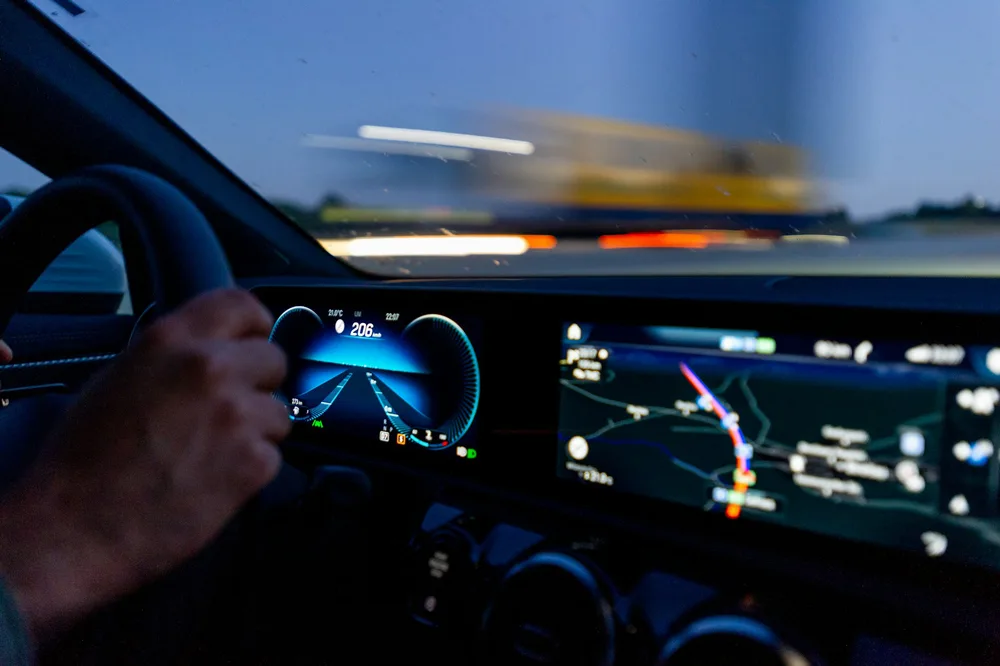
Modern vehicles are more than just engines and wheels. They are sophisticated computers designed to make every journey safer. The technology packed into today’s cars, and accessible via our smartphones, acts as a digital co-pilot. It helps us anticipate hazards and react more effectively. Whether you’re embarking on a cross-country road trip or just navigating your daily commute, understanding and using this tech can significantly reduce stress and improve your safety on the road.
Advanced Driver-Assistance Systems
Many new cars come standard with a suite of safety features known as Advanced Driver-Assistance Systems (ADAS). These systems use sensors, cameras, and radar to monitor your surroundings. They provide warnings or even take corrective action. Common features include Blind Spot Monitoring, which alerts you to vehicles you can’t see, and Lane Keeping Assist, which gently steers you back into your lane if you start to drift.
Adaptive Cruise Control is another popular feature. It automatically adjusts your speed to maintain a safe distance from the car ahead. According to the National Highway Traffic Safety Administration, these driver assistance technologies help prevent crashes by giving you crucial extra seconds to react. While they don’t replace an attentive driver, they offer an invaluable layer of protection against common human errors.
Dash Cams and Their Benefits
A dashboard camera is one of the most practical tech upgrades you can add to any vehicle, new or old. Its main job is to provide an unbiased, continuous recording of your drives. If a collision happens, this footage becomes an indisputable record of what occurred. It protects you from false claims and helps insurance companies process your case quickly and fairly.
In a serious collision, especially one involving a large commercial truck, the footage can be indispensable for establishing facts. In such complex cases, you might seek guidance from specialists like abogados de accidentes de camión to ensure your side of the story is clearly represented. Newer AI-powered dash cams go a step further, offering features like forward-collision warnings and lane departure alerts. These bring ADAS-like capabilities to older cars.
Real-Time Traffic and Navigation
Your smartphone is a powerful safety tool, largely thanks to navigation apps like Google Maps and Waze. These platforms do much more than just show you the fastest route. They use crowdsourced data to provide real-time updates on traffic congestion, accidents, road closures, and hazards like potholes or debris on the road.
Getting an alert about a slowdown or a stopped vehicle around a blind curve gives you more time to slow down and avoid a potential rear-end collision. Using these apps transforms navigation from a simple convenience into a proactive safety measure. It allows you to anticipate and bypass problems before you even reach them. Always be sure to mount your phone securely and set your destination before you start driving.
Beyond Tech: When Accidents Occur
Even with the most advanced technology, accidents can still happen. Knowing what to do immediately after a collision is crucial for everyone’s safety. Your first priority is always health and safety. Check yourself and your passengers for injuries. If anyone is hurt or if the situation feels unsafe, call 911 immediately. If your vehicle is drivable and it’s safe to do so, move it to the shoulder or a nearby safe location. This avoids obstructing traffic and causing a secondary accident. Turn on your hazard lights to make your vehicle more visible to other drivers.
Documenting the Scene Digitally
Once you’ve ensured everyone is safe, your smartphone becomes your primary tool for documentation. A thorough record of the scene is essential for insurance claims and any potential legal proceedings. Use your phone’s camera to take clear photos and videos from multiple angles. Be sure to capture:
- Damage to all vehicles involved
- License plates of all cars
- The overall scene, including road conditions, weather, and any relevant traffic signs or signals
- Any visible injuries
You should also exchange information with the other driver. This includes their name, phone number, address, driver’s license number, and insurance policy information. Using a notes app on your phone is an easy way to keep all this information organized and secure.
Smart technology offers powerful tools for staying safe on the road. However, it works best when paired with an alert and prepared driver. Using these systems and knowing what to do when things go wrong helps you handle whatever the road throws your way with confidence.