Automotive, service, and repair businesses operate in demanding environments where safety, efficiency, and durability directly impact profitability. From independent mechanics and body shops to fleet maintenance centers and specialty performance garages, the building itself must support heavy equipment, constant vehicle movement, and long operating hours. For these reasons, steel buildings have become the preferred construction choice across the automotive service industry. Providers like US Patriot Steel offer engineered steel building solutions that meet the operational needs of modern repair businesses while controlling long-term costs.
Steel structures are not just a construction trend—they are a strategic investment for businesses that rely on performance and reliability.
Built to Handle Heavy Equipment and Daily Wear
Automotive service facilities house lifts, compressors, tool systems, storage racks, and vehicles that place continuous stress on the structure. Steel buildings are engineered to support heavy point loads and wide-span layouts without compromising stability. Roof and wall systems remain rigid over time, even under constant vibration from machinery and vehicle traffic.
Unlike wood-framed buildings, steel does not warp, crack, or weaken due to moisture, heat, or repeated use. This structural consistency helps maintain level floors, properly aligned lifts, and secure mounting points—critical factors for safety and precision in repair work.
Clear-Span Layouts Improve Workflow and Productivity
One of the greatest advantages of steel buildings for automotive businesses is the clear-span interior. Without interior support columns, owners can design efficient shop layouts that maximize usable floor space. Vehicles can move freely between service bays, equipment can be positioned exactly where it’s needed, and technicians can work without obstructions.
This open design supports scalable operations. A shop can start with a few service bays and expand later as business grows. Steel buildings make it easier to add bays, increase ceiling height for larger vehicles, or reconfigure interior layouts without structural limitations.
Fire Resistance and Safety in High-Risk Workspaces
Automotive repair environments involve flammable liquids, electrical systems, welding, grinding, and heat-generating equipment. Fire resistance is not optional—it’s essential. Steel is non-combustible, meaning it does not ignite or fuel fires. This significantly reduces fire risk compared to wood-framed structures.
Steel buildings also support fire-rated wall systems, proper ventilation, and code-compliant separation between work zones and offices. For many insurers and inspectors, steel construction is viewed as a safer option, which can positively affect insurance eligibility and long-term risk management.
Ventilation and Air Quality Control
Proper ventilation is critical in service and repair shops. Exhaust fumes, chemical vapors, welding smoke, and dust must be managed effectively to protect workers and meet health standards. Steel buildings are well-suited for advanced ventilation systems because of their open interiors and customizable roof and wall designs.
Exhaust fans, ridge vents, wall louvers, and high-volume air circulation systems can be integrated seamlessly. Taller ceilings also help dissipate heat and airborne contaminants, improving comfort and reducing fatigue among technicians.
Low Maintenance Means Lower Operating Costs
Automotive businesses cannot afford downtime caused by building repairs. Steel buildings require minimal maintenance compared to traditional construction. They resist corrosion when properly coated, do not attract pests, and are unaffected by humidity-related decay.
This durability reduces long-term repair expenses and prevents interruptions that impact revenue. Owners spend less time maintaining the structure and more time focusing on customer service and business growth.
Professional Appearance That Builds Customer Trust
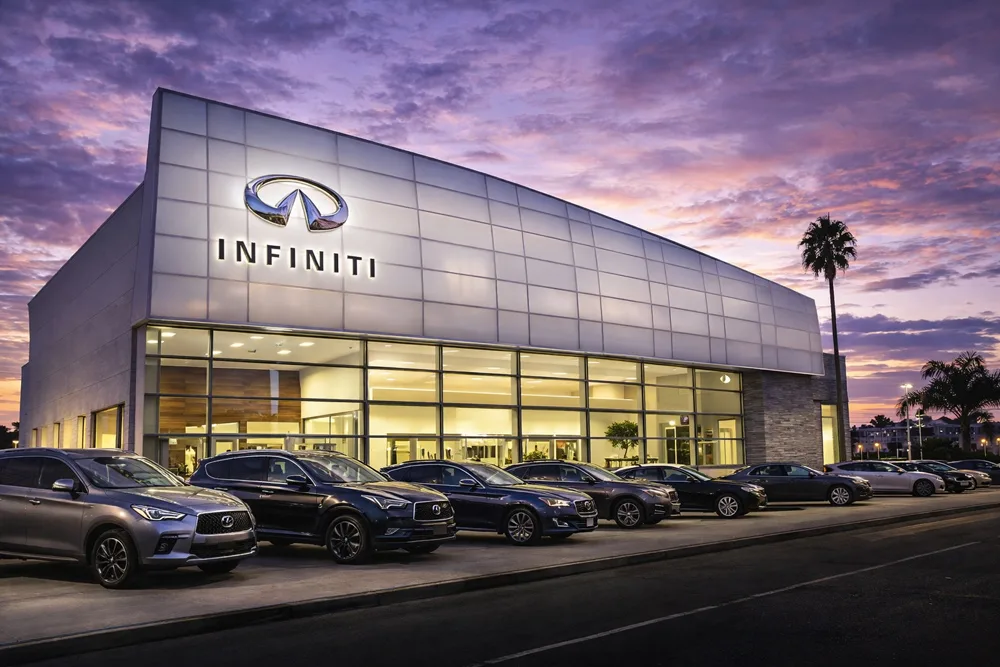
First impressions matter—especially in service businesses. A clean, modern steel building conveys professionalism, organization, and reliability. Exterior finishes, signage integration, and customer-facing office areas can be customized to match brand identity and create a welcoming experience.
Inside, steel buildings support bright lighting, organized workspaces, and clean layouts that customers can see and trust. This visual confidence often translates into repeat business and stronger customer relationships.
Conclusion
Steel buildings offer automotive, service, and repair businesses a durable, safe, and flexible foundation for long-term success. With superior structural strength, clear-span layouts, fire resistance, ventilation support, and low maintenance requirements, steel construction outperforms traditional building methods in demanding shop environments. For business owners looking to scale operations, improve safety, and control lifetime costs, a steel building is not just practical—it’s a competitive advantage.