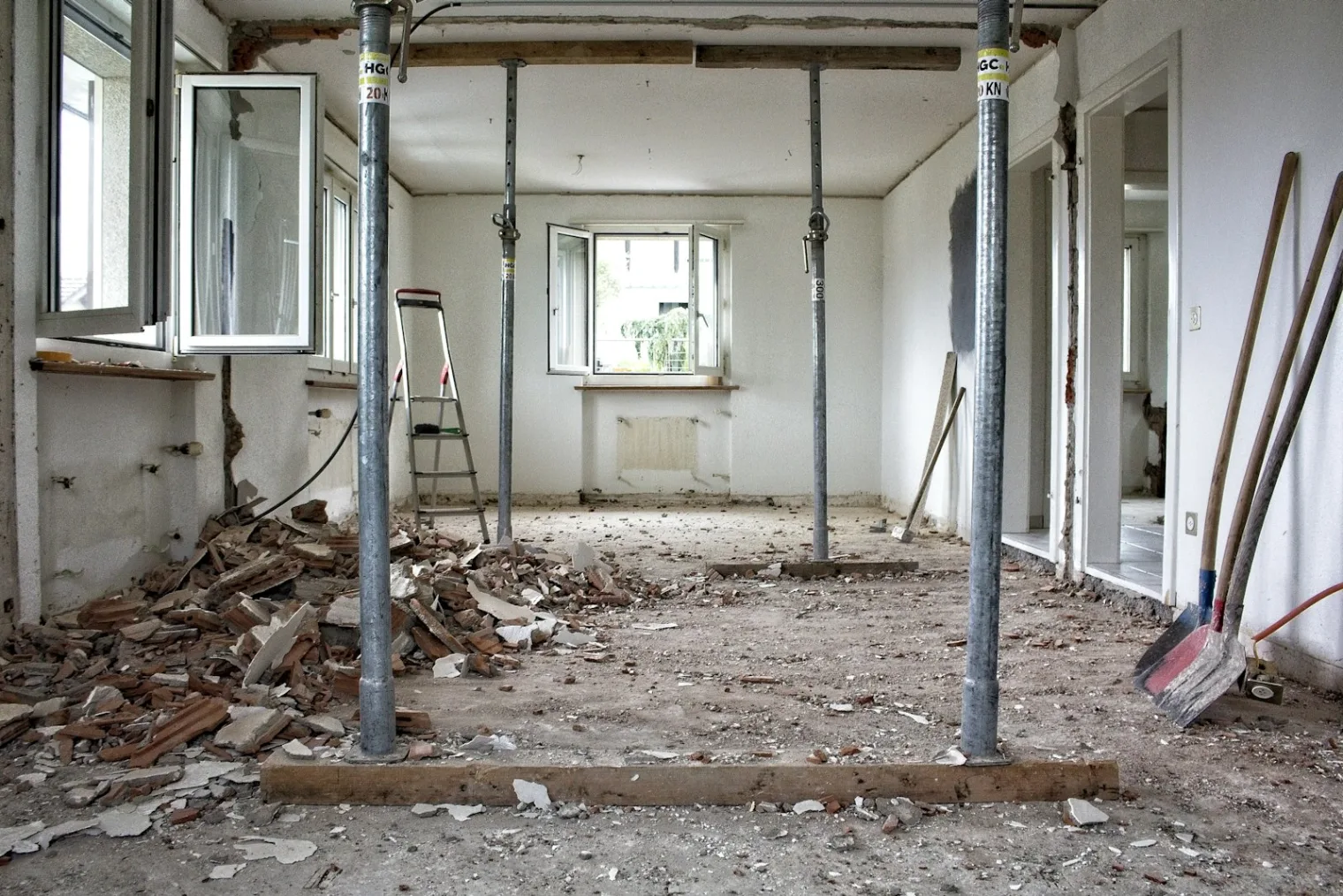
For many people, there’s no place they’d rather grow older than the home they know and love. Aging in place allows retirees to maintain their independence, stay connected to their community, and continue enjoying familiar surroundings. However, as mobility, strength, and balance change over time, even a well-loved home will need updates to remain safe and comfortable.
Creating a retirement home renovation budget is an opportunity to think proactively about how your home will support your lifestyle through your golden years while helping you avoid unnecessary expenses and rushed decisions later. By taking a thoughtful, step-by-step approach, you prioritize the improvements that matter most and make informed choices that fit both your needs and your finances.
Step 1: Identify What You May Need in the Future
The first step in building a retirement home renovation budget is exploring every idea that will make your home safer, more accessible, and easier to enjoy.
This is the brainstorming stage, so resist the urge to think about cost just yet. Instead, imagine how your needs might change over the next five, ten, or twenty years and consider what improvements will keep you continuing to live comfortably at home.
Start by walking through your home room by room. Are there stairs that will become difficult to navigate? Would ramps be beneficial, or handrails, or a stairlift? Are your doorways wide enough for a walker or wheelchair if you ever need one? Would rearranging furniture create safer, clearer pathways through your home?
Stairlifts
Stairlifts are an especially important upgrade for aging at home if your residence has stairs. According to the Centers for Disease Control and Prevention (CDC), more than one in four adults age 65 and older fall each year, and falls are the leading cause of injury for this age group.
When considering a stairlift, it’s essential to choose a model that suits both your current and future needs. Mobility equipment expert Jeremiah Marquis at Mobility Plus Colorado, explains:
“It’s important to choose a make and model that is designed to withstand the user’s weight and the intended usage of the lift. For example, a lightweight user who only needs to go up and down the stairs a couple of times a day could get by with a basic model. A heavy or frequent user might need a heavy-duty stairlift.”
The stairlift’s features must also match any physical conditions you have. Marquis provides the following advice for prospective stairlift users with health or mobility concerns:
“Swivel seats allow the user to get out of the chair without twisting. This could be an advantage if the user suffers from problems with their back, hips, or spine, or will be transitioning to a mobility aid (such as a walker or rollator) after using the stairlift.”
Bathroom Modifications
The bathroom is one of the most important rooms to modify for long-term safety. Slippery surfaces, tight spaces, and the need to step over high tub walls create daily risks that increase with age. Even for those who are currently steady on their feet, planning bathroom improvements early ensures the space will remain safe if mobility changes later.
Walk-in showers with built-in seating eliminate the need to climb over a tub edge. Handheld showerheads, comfort-height toilets, and non-slip flooring also improve both safety and convenience. Additional features such as grab bars near the toilet and shower, lever-style faucets, and curbless entries can make a significant difference without requiring a full remodel.
Kitchen Modifications
In the kitchen, focus on changes that reduce strain and improve reach. Pull-out shelves, drawers instead of deep cabinets, and lazy Susans bring items within easy reach without bending or stretching. Lowered countertops or adjustable-height work surfaces can accommodate seated food preparation if standing for long periods becomes difficult.
Lever-style handles on faucets and cabinets are easier to grip than knobs, especially for those with arthritis. Improved task lighting under cabinets and over work areas also enhances safety by making it easier to see while cooking or handling sharp tools.
Hobby Spaces
If you enjoy crafts, gardening, or other hobbies, think about how those spaces may need to adapt as you age. Raised garden beds can reduce bending and kneeling, while a workbench at a comfortable height allows you to continue woodworking or other projects without straining your back. Good lighting and accessible storage for supplies will keep these activities enjoyable for years to come.
Vehicle Considerations
Don’t overlook the garage and driveway when planning for the future. If stairs make entering and exiting your vehicle difficult, a platform lift or ramp may be worth considering. Widening the garage door or adding motion-sensor lighting can also improve safety and convenience as vision and mobility change.
Portable and Rental Equipment
Not every improvement needs to be permanent. Portable ramps, shower chairs, and raised toilet seats can provide immediate safety benefits without construction. For short-term needs, such as recovering from surgery, renting equipment like hospital beds or lift chairs may be more practical than purchasing.
Step 2: Calculate Your Retirement Home Renovation Budget
Once you’ve identified potential improvements, the next step is understanding what you can comfortably afford. Start by reviewing your retirement income sources, including Social Security, pensions, savings, and any other investments. Then, consider how much you can allocate to home renovations without compromising your long-term financial security.
It’s also important to think about how your expenses may change in retirement. Healthcare costs often increase with age, so your renovation budget should leave room for medical expenses and other necessities. A financial advisor can help you evaluate your overall retirement plan and determine a realistic budget for home improvements.
When calculating your budget, be honest about your priorities. Focus on the changes that will have the greatest impact on your safety and comfort, and be prepared to phase larger projects over time if needed.
Remember that some improvements may qualify for tax deductions or financial assistance programs. Check with a tax professional to see if any of your planned renovations are eligible for credits or deductions.
Step 3: Research the Full Cost of the Project
Before committing to any renovation, take time to research the full cost of each project. This includes not only materials and labor but also permits, inspections, and any temporary living arrangements you might need during construction.
Start by getting quotes from multiple contractors. Be sure to ask for detailed breakdowns so you understand exactly what you’re paying for. Don’t automatically choose the lowest bid — consider the contractor’s experience, reputation, and warranty offerings as well.
It’s also wise to build a contingency fund into your budget. Unexpected issues, such as outdated wiring or plumbing problems, are common in older homes and can significantly increase costs. Setting aside an additional 10 to 20 percent of your total budget will help you handle surprises without derailing your plans.
When researching costs, consider both the upfront investment and the long-term value. Some improvements, like energy-efficient windows or a walk-in shower, may increase your home’s resale value while also making it more comfortable for you now.
Don’t forget to factor in ongoing maintenance costs. For example, a stairlift will need periodic servicing, and modified bathrooms may require specialized cleaning products. Understanding these long-term expenses will help you make more informed decisions.
Finally, be cautious of high-pressure sales tactics. Take your time to compare options and read reviews before making any major purchases. A reputable company will be happy to answer your questions and provide references.
Step 4: Prioritize the Changes That Matter Most
With a clear understanding of costs, it’s time to prioritize your wish list. Start with the improvements that address immediate safety concerns, such as fixing loose railings, improving lighting in stairways, or adding grab bars in the bathroom. These smaller changes often deliver the biggest immediate benefit for the lowest cost.
Next, consider the changes that commonly become beneficial as people age. Wider walkways, better lighting, lever door handles, non-slip flooring, and strategically placed grab bars make everyday tasks easier for a wide range of people, regardless of whether they currently use mobility aids.
An occupational therapist (OT) is particularly valuable during this stage. Rather than guessing which renovations will provide the greatest benefit, an OT assesses how you move through your home and recommends practical modifications tailored to your needs. They will also suggest assistive devices that improve independence without requiring major structural changes, getting you the most value from your retirement home renovation budget.
Step 5: Work With the Right Professionals
Choosing experienced professionals ensures your renovations are both safe and appropriate for your home.
Once you’ve established your priorities, it’s time to speak with accessibility specialists and contractors about what’s possible within your space and budget.
Request quotes from reputable businesses, ask questions about previous accessibility projects, and discuss any limitations your home’s layout presents. Their experience will likely reveal solutions you hadn’t considered or identify ways to achieve your goals more cost-effectively.
Remember that accessibility doesn’t always require permanent construction. There are many products that increase independence without altering your home’s structure. Hospital beds, lift chairs, transfer aids, portable ramps, stairlifts, and other mobility devices may solve everyday challenges while avoiding the cost of major renovations.
Step 6: Remember That Aging in Place Is an Ongoing Process
Aging in place isn’t about preparing for every possible scenario—it’s about making thoughtful decisions that support your independence over time.
It’s easy to become overwhelmed once you start researching accessibility products and home modifications. There are countless options available, and no one can predict exactly what their future health needs will be.
Instead of trying to prepare for every possibility, focus on what you know today. Address the accessibility challenges you’re already experiencing. Then consider the changes that are most likely to improve your quality of life as you age.
As your circumstances evolve, your home can evolve with you. Reassessing your needs every few years allows you to make additional improvements when they’re genuinely needed rather than spending money on features you may never use.
Perhaps most importantly, be kind to yourself throughout the process. Creating a retirement home renovation budget isn’t about building a perfect home. It’s about creating a safer, more comfortable environment that keeps you living the life you enjoy.
Plan Today to Support Your Independence Tomorrow
Building a retirement home renovation budget takes time. However, careful planning makes the process much more manageable. By identifying your future needs, understanding your finances, researching the full cost of renovations, and prioritizing the most valuable improvements, you will make informed decisions with confidence.
Every home and every person is different. Working with qualified professionals and making thoughtful improvements over time will create a safer, more comfortable home that supports your independence well into retirement.

