


4 minute read
A smart exterior upgrade can do more than refresh your curb appeal. Quality siding can return real dollars through resale value, energy savings, and lower upkeep.
It protects your home from moisture and pests, which helps avoid surprise repairs. When you plan the project with the numbers in mind, siding becomes an investment.
Higher Resale Value Right Away
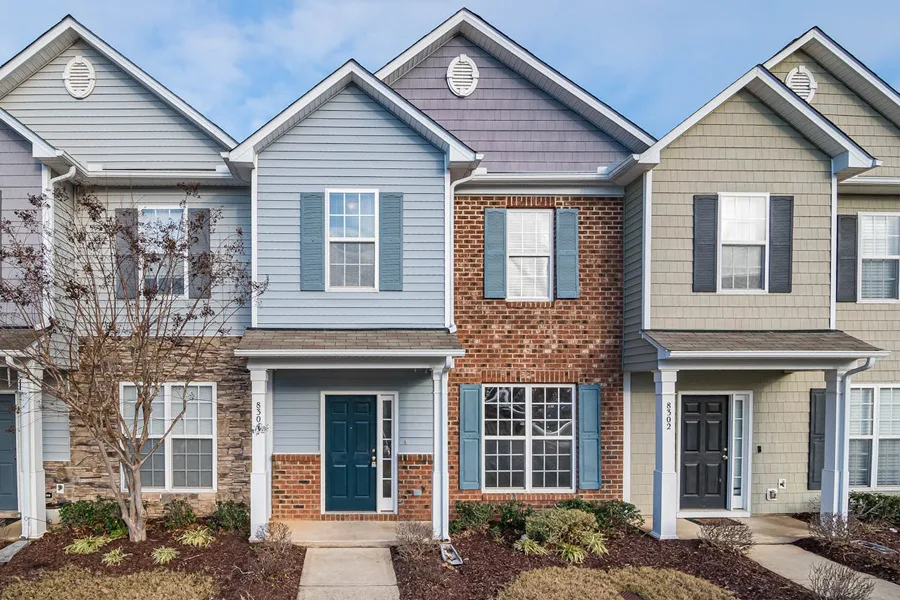
Buyers notice clean lines, straight courses, and fresh color before they step inside. That first impression often shapes the offer’s strength and days on market. When the exterior looks move-in ready, you start negotiations from a stronger position.
Housing coverage this year pointed out that siding replacement ranks among projects with the best payback at resale, with fiber-cement and vinyl showing strong returns. Those figures help reframe the cost as value you can recover. Even if you are not selling soon, a modern exterior keeps options open.
Think of curb appeal as a signal to buyers and appraisers. It suggests fewer surprises behind the walls, which supports price and confidence. A strong presentation today can translate to a smoother sale tomorrow.
Energy Savings And Credits
Your siding works with housewrap, insulation, and air sealing to control heat flow. When the wall system improves, your HVAC cycles less and comfort rises. Over a few seasons, steady savings add up.
A coordinated approach tightens the shell, cuts drafts, and helps stabilize room temperatures. If you are planning envelope work, schedule air sealing and minor insulation upgrades at the same time, and upgrade your home’s siding so everything functions as one system. The result is fewer hot and cold spots and a quieter home.
Federal guidance notes that certain insulation and air sealing projects can qualify for a tax credit when they meet recognized energy code levels. That incentive can shorten payback on the exterior upgrade. You boost comfort while reducing your long-term operating costs.
Costs And Budget Planning
Set expectations with clear numbers before you collect bids. Material choice, trim scope, and local labor all affect price. Complex elevations and special profiles can add time and cost.
Industry cost guides report that typical vinyl siding projects often land in the low five figures nationally, with ranges driven by home size and details. Knowing that range helps you compare proposals on equal footing. It makes it easier to decide where upgrades like insulated panels make sense.
Ask contractors to break out line items for prep, housewrap, flashing, trims, and accessories. Transparent scopes reduce change orders and stress. A tidy bid now prevents budget surprises later.
Durability, Maintenance, And Risk
Modern cladding resists rot, insects, and warping, which helps you avoid frequent paint jobs. A cleaner exterior keeps gutters, fascia, and windows happier. Small habits keep that protection working.
- Rinse siding with a garden hose after pollen season.
- Keep shrubs trimmed 12 to 18 inches from walls.
- Inspect caulk and kickout flashing each spring.
Lower risk can mean fewer repair calls after storms. While discounts vary by carrier, a more resilient exterior may help protect your policy standing. The biggest win is skipping damage in the first place.
Installation Quality And Building Science
The best materials cannot overcome poor details. Proper clearances, starter strips, and nailed-off courses prevent waves and buckling. Attention to corners, penetrations, and transitions makes the system last.
Moisture control is just as important. A well-lapped housewrap and correctly flashed openings keep wind-driven rain out of the wall. Ventilated rainscreens can add a drying gap that helps the assembly breathe.
Ask your installer how they handle kickout flashing, Z-flashing, and drip edges. These parts are small but critical. When they are right, siding looks cleaner and stays tight for years.
Material Choices And ROI Clues
Fiber-cement offers a solid feel and strong fire resistance. Vinyl stretches the budget, installs faster, and avoids most repainting. They can deliver real financial benefits when installed well.
A real estate analysis highlighted how replacement siding projects continue to post high resale payback, with fiber-cement typically edging vinyl by a small margin. Local demand can shift that spread, so lean on neighborhood data when you choose. The goal is to balance look, durability, and cost.
For budgeting, trade-offs matter. Choosing a simpler profile can free funds for better flashing or a rainscreen. Long-term performance often comes from these hidden details.
Quality siding is more than a new look. It can raise perceived value, trim energy use, and cut routine upkeep. When the wall system is tight and the details are right, you get comfort and peace of mind.
Plan with the numbers. Use realistic cost ranges, time envelope upgrades together, and invest in the small details that protect your home for the long run.